
Home Blog Page 83

Telling Time On The Moon

0
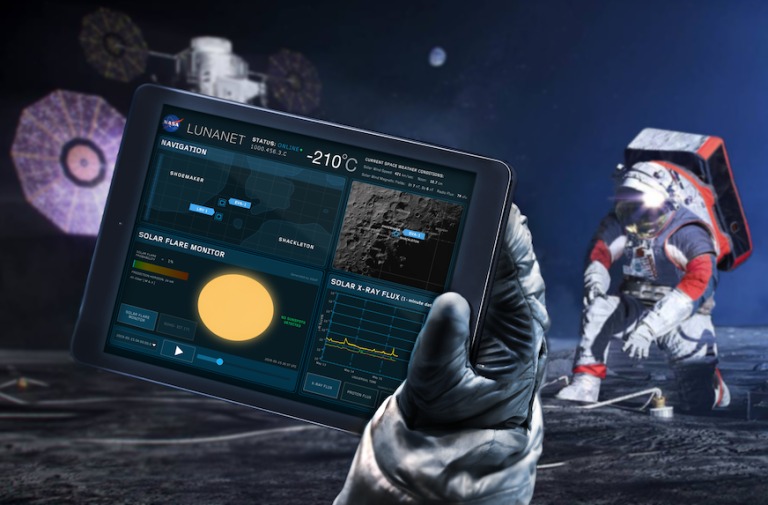
Lunanet

A new era of lunar exploration is on the rise, with dozens of Moon missions planned for the coming decade.

Europe is in the forefront here, contributing to building the Gateway lunar station and the Orion spacecraft – set to return humans to our natural satellite – as well as developing its large logistic lunar lander, known as Argonaut. As dozens of missions will be operating on and around the Moon and needing to communicate together and fix their positions independently from Earth, this new era will require its own time.

Accordingly, space organisations have started considering how to keep time on the Moon. Having begun with a meeting at ESA’s ESTEC technology centre in the Netherlands last November, the discussion is part of a larger effort to agree a common architecture covering lunar communication and navigation services.

Architecture for joint lunar exploration

“LunaNet is a framework of mutually agreed-upon standards, protocols and interface requirements allowing future lunar missions to work together, conceptually similar to what we did on Earth for joint use of GPS and Galileo,” explains Javier Ventura-Traveset, ESA’s Moonlight Navigation Manager, coordinating ESA contributions to LunaNet. “Now, in the lunar context, we have the opportunity to agree on our interoperability approach from the very beginning, before the systems are actually implemented.”

Timing is a crucial element, adds ESA navigation system engineer Pietro Giordano: “During this meeting at ESTEC, we agreed on the importance and urgency of defining a common lunar reference time, which is internationally accepted and towards which all lunar systems and users may refer to. A joint international effort is now being launched towards achieving this.”

Up until now, each new mission to the Moon is operated on its own timescale exported from Earth, with deep space antennas used to keep onboard chronometers synchronised with terrestrial time at the same time as they facilitate two-way communications. This way of working will not be sustainable however in the coming lunar environment.

Once complete, the Gateway station will be open to astronaut stays, resupplied through regular NASA Artemis launches, progressing to a human return to the lunar surface, culminating in a crewed base near the lunar south pole. Meanwhile numerous uncrewed missions will also be in place – each Artemis mission alone will release numerous lunar CubeSats – and ESA will be putting down its Argonaut European Large Logistics Lander.

These missions will not only be on or around the Moon at the same time, but they will often be interacting as well – potentially relaying communications for one another, performing joint observations or carrying out rendezvous operations.

“Looking ahead to lunar exploration of the future, ESA is developing through its Moonlight programme a lunar communications and navigation service,” explains Wael-El Daly, system engineer for Moonlight. “This will allow missions to maintain links to and from Earth, and guide them on their way around the moon and on the surface, allowing them to focus on their core tasks. But also, Moonlight will need a shared common timescale in order to get missions linked up and to facilitate position fixes.”

And Moonlight will be joined in lunar orbit by an equivalent service sponsored by NASA – the Lunar Communications Relay and Navigation System. To maximise interoperability these two systems should employ the same timescale, along with the many other crewed and uncrewed missions they will support.

Fixing time to fix position

Jörg Hahn, ESA’s chief Galileo engineer and also advising on lunar time aspects comments: “Interoperability of time and geodetic reference frames has been successfully achieved here on Earth for Global Navigation Satellite Systems; all of today’s smartphones are able to make use of existing GNSS to compute a user position down to metre or even decimetre level.

“The experience of this success can be re-used for the technical long-term lunar systems to come, even though stable timekeeping on the Moon will throw up its own unique challenges – such as taking into account the fact that time passes at a different rate there due to the Moon’s specific gravity and velocity effects.”

Setting global time

Accurate navigation demands rigorous timekeeping. This is because a satnav receiver determines its location by converting the times that multiple satellite signals take to reach it into measures of distance – multiplying time by the speed of light.

All the terrestrial satellite navigation systems, such as Europe’s Galileo or the United States’ GPS, run on their own distinct timing systems, but these possess fixed offsets relative to each other down to a few billionths of a second, and also to the UTC Universal Coordinated Time global standard.

The replacement for Greenwich Mean Time, UTC is part of all our daily lives: it is the timing used for Internet, banking and aviation standards as well as precise scientific experiments, maintained by the Paris-based Bureau International de Poids et Mesures (BIPM).

The BIPM computes UTC based on inputs from collections of atomic clocks maintained by institutions around the world, including ESA’s ESTEC technical centre in Noordwijk, the Netherlands and the ESOC mission control centre in Darmstadt, Germany.

Designing lunar chronology

Among the current topics under debate is whether a single organisation should similarly be responsible for setting and maintaining lunar time. And also, whether lunar time should be set on an independent basis on the Moon or kept synchronised with Earth.

The international team working on the subject will face considerable technical issues. For example, clocks on the Moon run faster than their terrestrial equivalents – gaining around 56 microseconds or millionths of a second per day. Their exact rate depends on their position on the Moon, ticking differently on the lunar surface than from orbit.

“Of course, the agreed time system will also have to be practical for astronauts,” explains Bernhard Hufenbach, a member of the Moonlight Management Team from ESA’s Directorate of Human and Robotic Exploration. “This will be quite a challenge on a planetary surface where in the equatorial region each day is 29.5 days long, including freezing fortnight-long lunar nights, with the whole of Earth just a small blue circle in the dark sky. But having established a working time system for the Moon, we can go on to do the same for other planetary destinations.”

Finally, to work together properly, the international community will also have to settle on a common ‘selenocentric reference frame’, similar to the role played on Earth by the International Terrestrial Reference Frame, allowing the consistent measurement of precise distances between points across our planet. Suitably customised reference frames are essential ingredients of today’s GNSS systems.

“Throughout human history, exploration has actually been a key driver of improved timekeeping and geodetic reference models,” adds Javier. “It is certainly an exciting time to do that now for the Moon, working towards defining an internationally agreed timescale and a common selenocentric reference, which will not only ensure interoperability between the different lunar navigation systems, but which will also foster a large number of research opportunities and applications in cislunar space.”

By Keith Cowing
Source SpaceRef
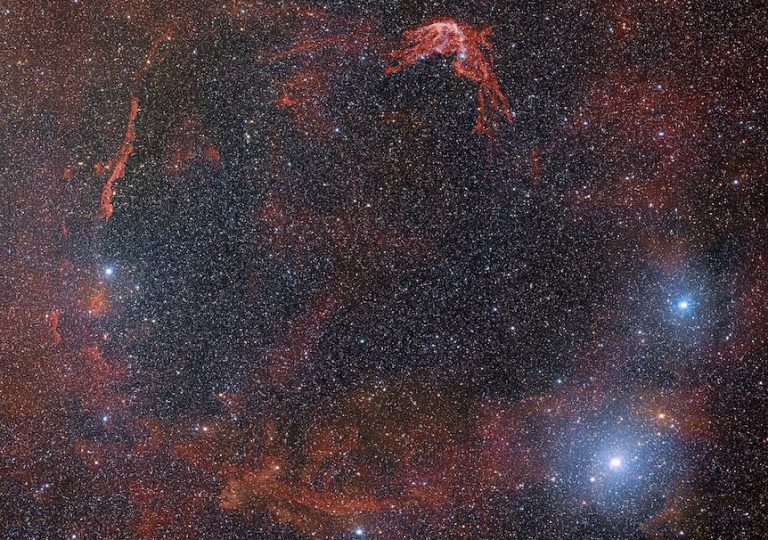
Supernova From the Year 185: A Rare View Of The Entirety Of This Supernova Remnant

0
The tattered shell of the first-ever recorded supernova was captured by the US Department of Energy-fabricated Dark Energy Camera, which is mounted on the National Science Foundation’s (NSF) Víctor M. Blanco 4-meter Telescope at Cerro Tololo Inter-American Observatory in Chile, a Program of NSF’s NOIRLab. A ring of glowing debris is all that remains of a white dwarf star that exploded more than 1800 years ago when it was recorded by Chinese astronomers as a ‘guest star’. This special image, which covers an impressive 45 arcminutes on the sky, gives a rare view of the entirety of this supernova remnant.

Draped around the outer edges of this star-filled image are wispy tendrils that appear to be flying away from a central point, like the tattered remains of a burst balloon.

These cloud-like features are thought to be the glowing remains of a supernova that was witnessed by Chinese astronomers in the year 185 C.E. When it appeared, this baffling addition to the night sky was referred to as a ‘guest star’ by ancient astronomers. It remained visible to the naked eye for about eight months before fading from view.

This historical supernova, which astronomers now refer to as SN 185, occurred more than 8000 light-years away in the approximate direction of Alpha Centauri, between the constellations of Circinus and Centaurus. The resulting structure, RCW 86 — as imaged by the Dark Energy Camera (DECam) mounted on the Víctor M. Blanco 4-meter Telescope at Cerro Tololo Inter-American Observatory in Chile, a Program of NSF’s NOIRLab — helps shed light on how the remains of the supernova evolved over the past 1800 years. DECam’s amazing wide-field vision enabled astronomers to create this rare view of the entire supernova remnant as it is seen today.

Though the link between RCW 86 and SN 185 is now well established, that wasn’t always the case. For decades, astronomers thought it would take about 10,000 years for a traditional core-collapse supernova — one in which a massive star blows material away from itself by exploding — to form the structure as we see it today. This would make the structure far older than the supernova observed in the year 185.

This preliminary estimate largely came from measurements of the supernova remnant’s size. But, a 2006 study found that the large size was due instead to an extremely high expansion velocity. The new estimate is much more in line with a comparatively youthful age of about 2000 years, which strengthened the link between RCW 86 and the guest star observed centuries ago.

While a more accurate age estimate brought astronomers one step closer to understanding this unique stellar feature, one mystery still remained. How did RCW 86 expand so fast? The answer was uncovered when X-ray data of the region revealed large amounts of iron present, a tell-tale sign of a different kind of explosion: a Type Ia supernova. This type of blast occurs in a binary star system when a dense white dwarf (the end-of-life remains of a star like our Sun) siphons material from its companion star to the point of detonation. These supernovae are the brightest of all and no doubt SN 185 would have awed observers while it shone brightly in the night sky.

Astronomers now have a more complete picture of how RCW 86 formed. As the white dwarf of the binary system swallowed the material of its companion star, its high-velocity winds pushed the surrounding gas and dust outward, creating the cavity we observe today. Then, when the white dwarf could not support any more mass falling onto it from the companion star, it exploded in a violent eruption. The previously formed cavity gave ample room for the high-velocity stellar remnants to expand very quickly and to create the monumental features we see today.

This new image of RCW 86 gives astronomers an even deeper look into the physics of this perplexing structure and its formation.

The image was obtained by NOIRLab’s Communication, Education & Engagement team as part of the NOIRLab Legacy Imaging Program.

More information

NSF’s NOIRLab (National Optical-Infrared Astronomy Research Laboratory), the US center for ground-based optical-infrared astronomy, operates the international Gemini Observatory (a facility of NSF, NRC–Canada, ANID–Chile, MCTIC–Brazil, MINCyT–Argentina, and KASI–Republic of Korea), Kitt Peak National Observatory (KPNO), Cerro Tololo Inter-American Observatory (CTIO), the Community Science and Data Center (CSDC), and Vera C. Rubin Observatory (operated in cooperation with the Department of Energy’s SLAC National Accelerator Laboratory). It is managed by the Association of Universities for Research in Astronomy (AURA) under a cooperative agreement with NSF and is headquartered in Tucson, Arizona. The astronomical community is honored to have the opportunity to conduct astronomical research on Iolkam Du’ag (Kitt Peak) in Arizona, on Maunakea in Hawai‘i, and on Cerro Tololo and Cerro Pachón in Chile. We recognize and acknowledge the very significant cultural role and reverence that these sites have to the Tohono O’odham Nation, to the Native Hawaiian community, and to the local communities in Chile, respectively.

More imagery

By Keith Cowing
Source SpaceRef
Baby Star Near The Black Hole In The MiddleOf Our Milky Way: It Exists After All

0
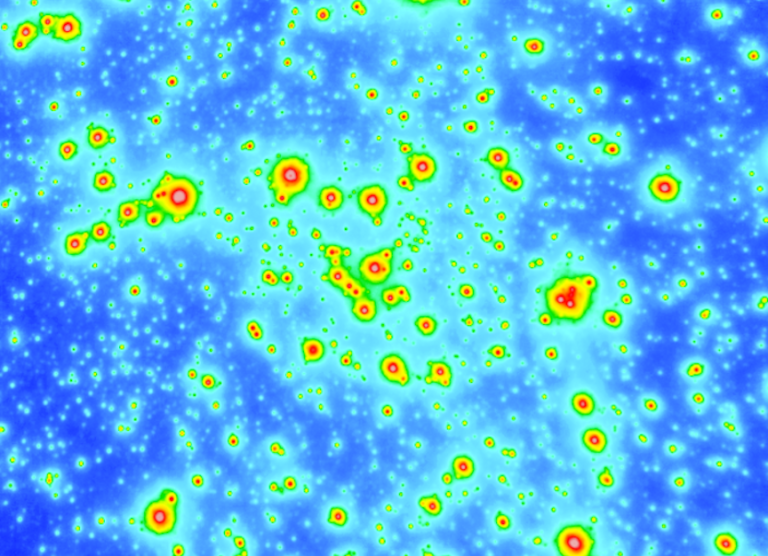
The Galactic centre at a distance of about 30000 light years. In the centre of the image is the supermassive black hole Sgr A* (not visible). The position of Sgr A* can be inferred from the motion of the stars. Because of the dust cloud and its dimensions around X3a the baby star is also not visible in this image. CREDIT Florian Peißker

An international team of researchers under the leadership of Dr Florian Peißker at the University of Cologne’s Institute of Astrophysics has discovered a very young star in its formation phase near the supermassive black hole Sagittarius A* (Sgr A*) at the centre of our Milky Way.

The star is only several tens of thousands of years old, making it younger than humanity. The special thing about baby star X3a is that theoretically it should not be able to exist so close to the supermassive black hole in the first place. However, the team believes that it formed in a dust cloud orbiting the giant black hole and sank to its current orbit only after it had formed. The study “X3: a high-mass Young Stellar Object close to the supermassive black hole Sgr A*” has been published in The Astrophysical Journal.

The vicinity of the black hole at the centre of our Galaxy is generally considered to be a region characterized by highly dynamic processes and hard X-ray and UV radiation. Precisely these conditions act against the formation of stars like our Sun. Therefore, for a long time scientists had assumed that over periods of billions of years, only old, evolved stars can settle by dynamical friction in the vicinity of the supermassive black hole. However, quite surprisingly, already twenty years ago very young stars were found in the immediate vicinity of Sgr A*. It is still not clear how these stars got there or where they formed. The occurrence of very young stars very close to the supermassive black hole has been referred to as “the paradox of youth”.

The baby star X3a – which is ten times as big and fifteen times as heavy as our Sun – could now close the gap between star formation and the young stars in the immediate vicinity of Sgr A*. X3a needs special conditions to form in the immediate vicinity of the black hole. First author Dr Florian Peißker explained: “It turns out that there is a region at a distance of a few light years from the black hole which fulfils the conditions for star formation. This region, a ring of gas and dust, is sufficiently cold and shielded against destructive radiation.” Low temperatures and high densities create an environment in which clouds of hundreds of solar masses can form. These clouds can in principle move very fast towards the direction of the black hole due to cloud–cloud collisions and scattering that remove the angular momentum.

In addition, very hot clumps formed in close proximity to the baby star which could then be accreted by X3a. These clumps could thus also contribute to X3a reaching such a high mass in the first place. However, these clumps are only a part of the formation history of X3a. They still do not explain its “birth”.

The scientists assume the following scenario to be possible: shielded from the gravitational influence of Sgr A* and intense radiation, a dense enough cloud could have formed in the outer gas and dust ring around the centre of the Galaxy. This cloud had a mass of about one hundred suns and collapsed under its own gravity to one or more protostars. “This so-called fall time approximately corresponds to the age of X3a,” Peißker added. Observations have shown that there are many of these clouds that can interact with each other. It is therefore likely that a cloud falls towards the black hole from time to time.

This scenario would also fit X3a’s stellar development phase, which is currently evolving into a mature star. It is therefore quite plausible that the gas and dust ring acts as the birthplace of the young stars in the centre of our Galaxy. Dr Michal Zajaček at Masaryk University in Brno (Czech Republic), a co-author of the study, clarified: “With its high mass of about ten times the Solar mass, X3a is a giant among stars, and these giants evolve very quickly towards maturity. We have been lucky to spot the massive star in the midst of the comet-shaped circumstellar envelope. Subsequently, we identified key features associated with a young age, such as the compact circumstellar envelope rotating around it.”

Since similar dust and gas rings can be found in other galaxies, the described mechanism could apply there as well. Many galaxies can therefore host very young stars in their very centres. Planned observations with NASA’s James Webb Space Telescope or the European Southern Observatory’s Extremely Large Telescope in Chile will test this star formation model for our Galaxy as well as others.

X3: A High-mass Young Stellar Object Close to the Supermassive Black Hole Sgr A*, The Astrophysical Journal (open access)

ESA Invites Space Firms To Create Lunar Services

The Terrae Novae 2030+ strategy roadmap has ambitious goals for each of the three exploration destinations low Earth orbit, Moon and Mars. – ESA

ESA is inviting private space companies in Europe and Canada to create a shared commercial telecommunication and navigation service for lunar missions by putting a constellation of satellites around the Moon.

Some 250 missions to the Moon are due to launch over the next decade alone, according to market analysists Northern Sky Research, which the company predicts will activate a €100 billion lunar economy, creating jobs and prosperity on Earth.

ESA will either lead or be an international partner in many of these lunar missions – robotic and crewed – including those that envisage a permanent lunar presence. Creating a shared telecommunications and navigation service for these missions would reduce design complexity and make them lighter and more cost efficient.

Under its Moonlight programme, ESA is inviting space companies to create these lunar services.

By acting as an anchor customer, ESA is enabling space companies involved in Moonlight to create a telecommunication and navigation service for the agency, while being free to sell lunar services and solutions to other agencies and commercial ventures.

Once Moonlight is in place, companies could create new applications in areas such as education, media and entertainment – as well as inspiring young people to study science, technology, engineering and maths, which creates a highly qualified future workforce.

ESA has now issued an invitation to tender for the work.

Almost 100 firms spanning the whole value chain have indicated that they are interested in becoming involved in the ambitious project.

ESA has a long history of lunar exploration and recently supplied the European Service Module that powered NASA’s Artemis I mission to the Moon. All future Artemis lunar missions will include ESA’s European Service Modules.

With ESA and other partners, NASA intends to build the lunar Gateway – an outpost in orbit around the Moon that will serve as the staging point for both robotic and crewed exploration of the lunar south pole. ESA will supply a habitat and refuelling elements for Gateway plus a communications module that will pave the way for Moonlight.

ESA has already initiated the Lunar Pathfinder project to provide initial communications services to early lunar missions, which will also help to prepare for the next stage of Moonlight. The Lunar Pathfinder will include a navigation payload demonstrator, which will allow positioning in lunar orbit using GPS and Galileo systems for the first time, and is due to launch from 2025 onwards.


Unpacking European Large Logistics Lander

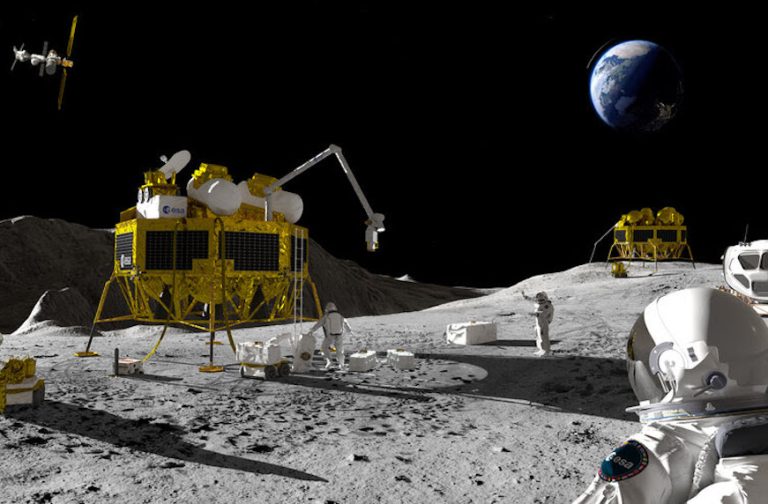
ESA’s European Large Logistics Lander – a lunar lander called Argonaut that could be used to supply the proposed lunar village or deliver scientific missions to the Moon’s surface – is also being designed so that it can use the Moonlight constellation for telecommunications and navigation.

Science missions using Moonlight will be able to live stream high-quality video, increasing the volume of data and the speed of transfer, and thus enabling better science to be done.

Lunar rovers equipped with Moonlight receivers will be able to navigate autonomously with high accuracy on the lunar surface, enhancing mission opportunities and potential applications, and lowering their associated risk and cost.

By Keith Cowing
Source SpaceRef
International Space Station National Laboratory Opens Technology Advancement Research Announcement

0
ISS / NASA

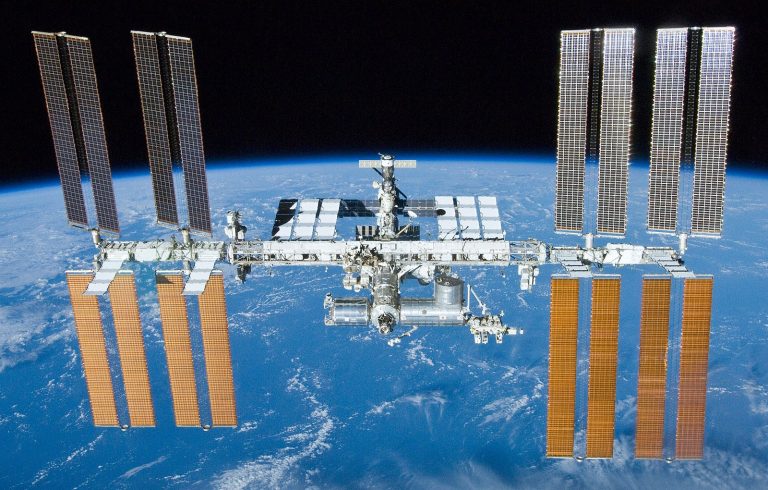
The International Space Station (ISS) National Laboratory today released a new research announcement soliciting flight concepts for “Technology Advancement and Applied Research Leveraging the ISS National Lab.”

This solicitation is open to a broad range of technology areas including chemical and material synthesis in space, bonding, translational medicine, in-space edge computing and on-demand cloud computing technologies, and the use of ISS remote sensing data to improve geospatial analytics for commercial use.

Space-based technology development and demonstration is a strategic priority for the ISS National Lab, as it provides an opportunity for accelerated technology maturation to enable advancements that improve life on Earth and build commerce in low Earth orbit. Through this research announcement, offerors may propose to use the unique ISS environment to develop, test, or mature products and processes that have a demonstrated potential to produce near-term and positive direct or indirect economic impact.

More specifically, emphasis will be placed on proposals for the testing and space qualification of hardware prototypes and for advancing process improvements, such as (but not limited to):

Hardware prototype testing: Innovations addressing hardware product development gaps and emerging technology proliferation in the areas of computing, electronics, nanotechnologies, robotics, sensors, communications, remote sensing, and satellite technology.

Process improvements: Use of the ISS as a test bed for advancing development of facilities for high-throughput investigations, use of space-based data to facilitate modeling of industrial systems, or demonstration of new methodologies for spaceflight research and development.

Advanced materials: Current advanced materials research that addresses the development of next-generation production methods, the testing of novel materials, and the exploitation of materials with unique properties.

Translational medicine: Validation of accelerated disease modeling, analyzation of macromolecular structures for drug design, and demonstration of novel drug delivery and diagnostic services.

This research announcement will follow a two-step proposal submission process. Before being invited to submit a full proposal, all interested investigators must submit a Step 1: Concept Summary for review. The Center for the Advancement of Science in Space, Inc. (CASIS), manager of the ISS National Lab, will host a webinar on Thursday, March 9, 2023, at 2 p.m. EST to discuss ISS facilities and capabilities associated with this research announcement. A recording of the webinar will be made available to the research community through the research announcement webpage.

Step 1: Concept Summaries must be submitted by end of day on April 17, 2023. Step 2: Full Proposals (from those invited to submit) will be due by end of day July 17, 2023.

Flight concepts selected via this research announcement may be awarded funding to enable mission integration and operations support for projects that will be implemented on the ISS. The total set aside funding for this research announcement is approximately $750,000, with an expectation to make three to five awards. To learn more about this opportunity, including how to submit a Step 1: Concept Summary, please visit the research announcement webpage. To learn more about the ISS National Lab and the science that it sponsors, please visit our website at www.ISSNationalLab.org.

By Keith Cowing
Source SpaceRef
3Q: What we learned from the asteroid-smashing DART mission

0
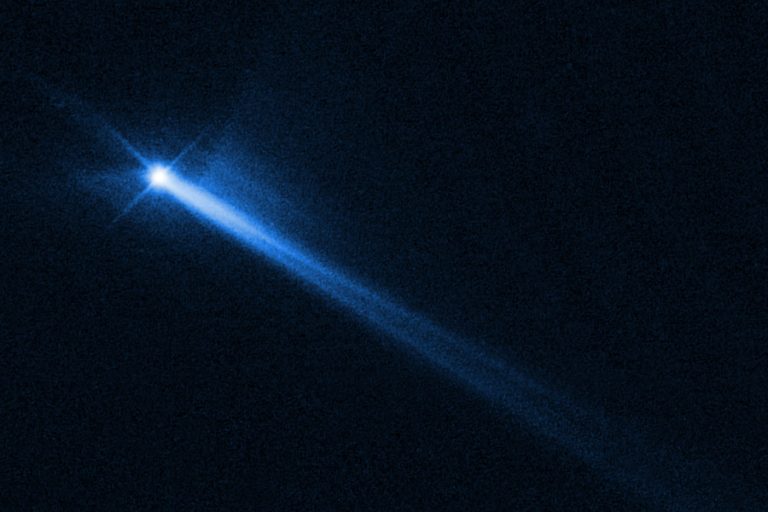
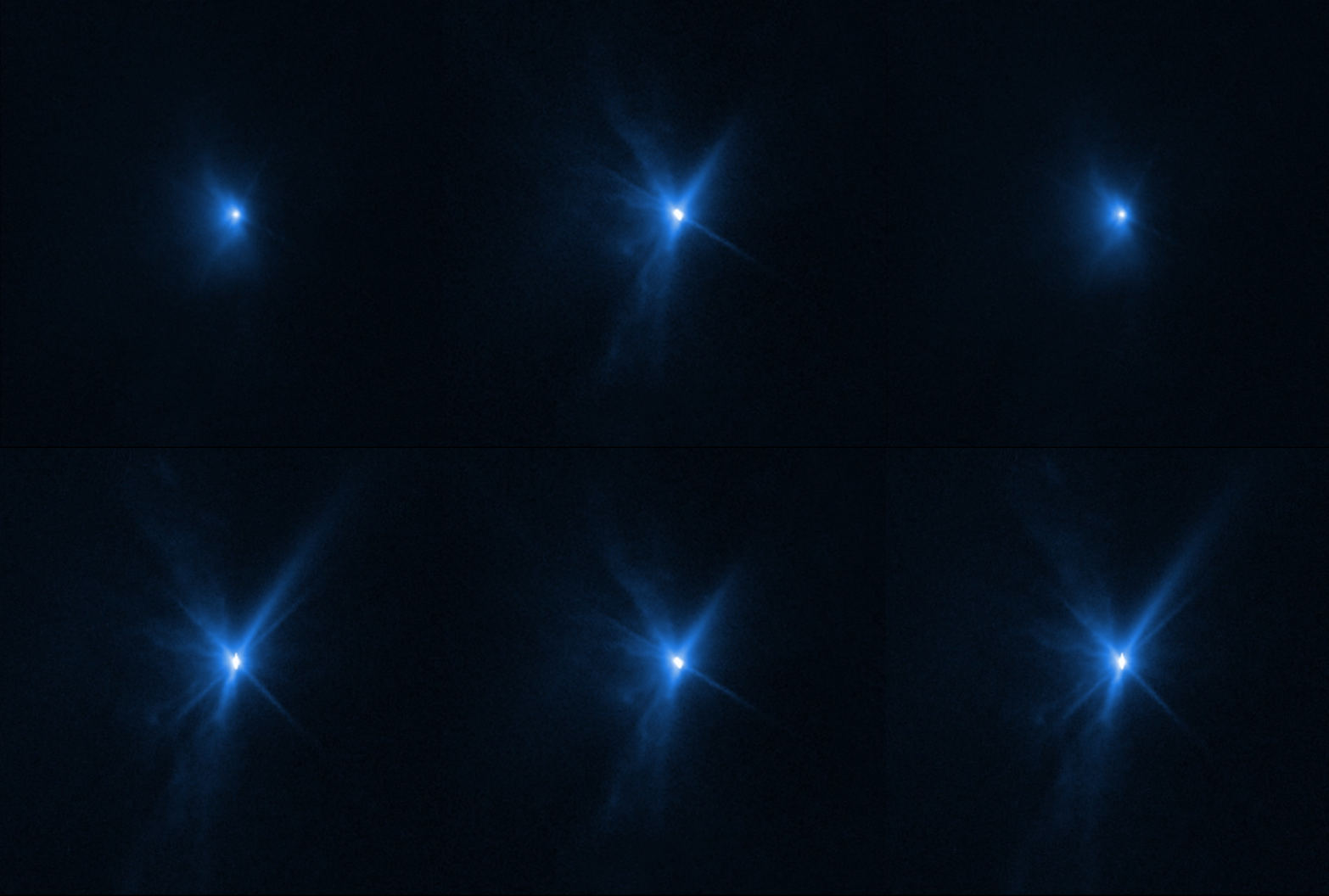
This imagery from NASA’s Hubble Space Telescope from Oct. 8, 2022, shows the debris blasted from the surface of Dimorphos 285 hours after the asteroid was intentionally impacted by NASA’s DART spacecraft on Sept. 26. The shape of that tail has changed over time. Scientists are continuing to study this material and how it moves in space, in order to better understand the asteroid. Credit: NASA/ESA/STScI/Hubble

On Sept. 26, 2022, at precisely 6:14 p.m. ET, a box-shaped spacecraft no bigger than a loveseat smashed directly into an asteroid wider than a football field. The planned impact knocked the space rock off its orbit, showing for the first time that an asteroid can potentially be deflected away from Earth.  

The spacecraft was the key part of DART, NASA’s Double Asteroid Redirection Test, which aimed to redirect the paths of Dimorphos and Didymos — two small, nearby asteroids that orbit as a pair. (Neither asteroid has ever posed a threat to Earth). The Johns Hopkins University Applied Physics Laboratory (APL) built and operated the DART spacecraft and manages the DART mission for NASA’s Planetary Defense Coordination Office as a project of the agency’s Planetary Missions Program Office.

As DART closed in on the smaller Dimorphos, the spacecraft’s cameras snapped images of the impending collision, right up to the moment of impact. In the days following, the Hubble Space Telescope zeroed in to track the impact’s aftermath. The DART team has since analyzed the images taken before and after the smash-up. Their findings, published today in Nature, reveal Dimorphos to be a boulder-rich “rubble-pile” that left a trail of debris in its wake after the impact.

DART science investigation team member Saverio Cambioni, the Crosby Distinguished Postdoctoral Fellow in MIT’s Department of Earth, Atmospheric and Planetary Sciences, helped to analyze the collision as part of a larger team led by NASA and APL — including APL’s Andrew Rivkin ’91, who served as the mission’s investigation team co-lead. Cambioni shared with MIT News his perspective on the mission’s highlights, and when the Earth might really need a DART-like, asteroid-deflecting defense.

Q: It must have been a nail-biting day for you and the team as DART closed in on its target. What do you remember from that day, personally?

A: It was so exciting! I remember watching the impact event on the NASA TV channel, and I could not wait for the Didymos system to grow from a blurred pixel to a spatially resolved asteroid pair. I joined the DART science investigation team a few years ago, and we discussed in many meetings what the surface geology of Didymos and Dimorphos would look like. We haven’t seen many of these small asteroids, and every time I am always amazed by the diversity of their surfaces. Would the surface be the same as the carbonaceous asteroids Bennu and Ryugu, which were found to be surprisingly rugged with little to no small rock fragments? Or should we instead expect the Didymos system to have terrains rich in pebbles as on the stony asteroid Itokawa?

The most thrilling moment of that day was when the last five-and-a-half minutes of images were streamed to Earth. Didymos, at this point, was well-resolved, and the spacecraft was closing in on Didymos’ moonlet Dimorphos for its intentional collision. At that moment, I started realizing the importance of what the DART mission was accomplishing, not only for the planetary science community, but also for humanity. NASA was on the cusp of demonstrating that a kinetic impact is a viable mitigation technique for protecting the planet from an Earth-bound asteroid or comet, if one were discovered. 

After the impact occurred and was successful, perhaps strangely, I thought about the dinosaurs. They did not have the technology to protect themselves and their planet from the impactor that wiped them out, while after DART, humankind is now a step closer to achieving a planetary defense system against hazardous celestial bodies. 


Q: Once the team could analyze images from before and after the impact, what were you all able to learn about the asteroid and the effects of the impact?

A: Before DART, little was known about Dimorphos and Didymos. The DART images reveal that Dimorphos’ surface is covered in rocks, with boulders as large as shipping containers near the impact site. Such a boulder-strewn surface suggests that Dimorphos is a rubble-pile asteroid similar to the asteroids Bennu, Ryugu, and Itokawa. However, Dimorphos is shaped like a football, while Ryugu and Bennu are diamond-shaped and Itokawa resembles a peanut. Compared to Dimorphos’ rocky surface, Didymos appears to have both smooth and rocky terrains. Are the smooth terrains made of finer-grained materials? Answering this question will likely have to wait for the rendezvous of the system by the European Space Agency’s Hera mission in late 2026.

Animated GIF image of bright blue light that gradually grows in size
 This animated GIF combines three of the images NASA’s Hubble Space Telescope captured after NASA’s Double Asteroid Redirection Test (DART) intentionally impacted Dimorphos. The animation spans from 22 minutes after impact to 8.2 hours after the collision took place. As a result of the impact, the brightness of the Didymos-Dimorphos system increased by 3 times.

Credit: Science: gif, ESA, Jian-Yang Li (PSI); animation: Alyssa Pagan (STScI)

The DART’s impact was observed by several telescopes. The telescopes revealed that the impact shortened Dimorphos’ orbit, remarkably, by about 33 minutes — more than 25 times the minimum benchmark for mission success. At the same time, it liberated debris which formed a tail stretching more than the 1,500 kilometers. The team observed the tail with the Hubble Space Telescope for about three weeks and found that its morphology is similar to “active asteroids” that have an asteroid-like orbit and comet-like tail. This similarity indicates that impacts can “activate” asteroids.

Q: What are the chances that we’ll need this technology in the near future? And what do you envision asteroid-defense systems might involve, given what you’ve learned from DART? 

A: Neither Dimorphos nor Didymos has ever posed a hazard to Earth, and no known asteroid poses a threat to Earth for at least the next century. However, as we state in one paper, “the catalog of near-Earth asteroids is incomplete for objects whose impacts would produce regional devastation.” To find all the hazardous asteroids before they find us, in 2026 NASA will launch the NEOSurveyor mission, which is an infrared space telescope designed to discover and characterize most of the potentially hazardous asteroids and comets that come within 50 million kilometers of Earth’s orbit. 

There are lots of lessons learned from DART that will be useful to design future planetary defense systems. DART showed that it is technologically possible to intercept and impact a subkilometer asteroid, with limited prior knowledge of its shape and surface properties. This means that a future planetary defense mission may not need a precursor probe to characterize the rogue asteroid before another mission is sent to impact it.

Reprinted with permission of MIT News
By Jennifer Chu | MIT News Office
Source MIT News

Pre-Dawn Launch For Crew-6

0

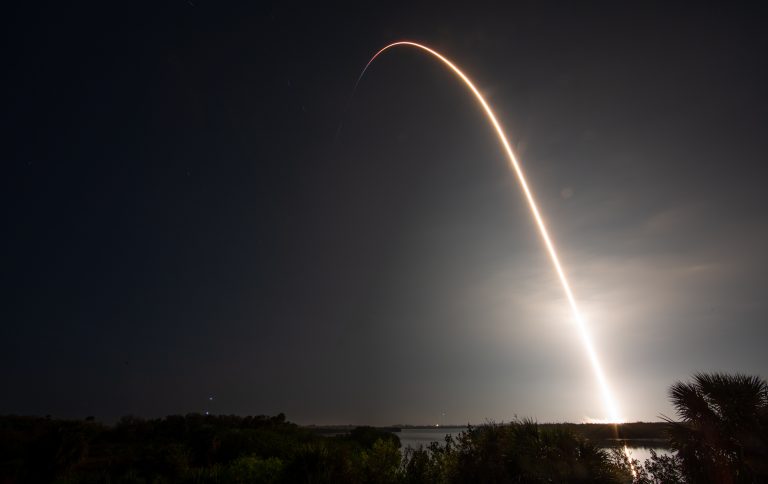
A SpaceX Falcon 9 rocket carries the company’s Dragon spacecraft with NASA’s SpaceX Crew-6 mission members aboard in this five-minute long exposure taken on Thursday, March 2, 2023. Crew-6 is the sixth crew rotation mission of the SpaceX Dragon spacecraft and Falcon 9 rocket to the International Space Station as part of NASA’s Commercial Crew Program. Stephen Bowen, Warren “Woody” Hoburg, Sultan Alneyadi, and Andrey Fedyaev will spend six months aboard the orbital outpost.

Image Credit: NASA/Joel Kowsky

By Monika Luabeya
Source NASA

NASA To Discuss Findings From Successful Artemis I Moon Mission

0
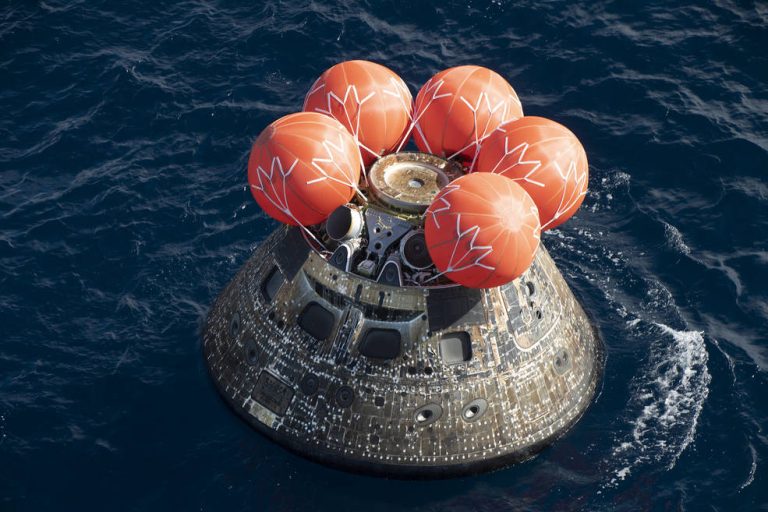
At 12:40 p.m. EST, Dec. 11, 2022, NASA’s Orion spacecraft for the Artemis I mission splashed down in the Pacific Ocean after a 25.5 day mission to the Moon. Orion was recovered by NASA’s Landing and Recovery team, U.S. Navy and Department of Defense partners aboard the USS Portland. Credits: NASA

NASA will hold a media teleconference at 12 p.m. EST Tuesday, March 7, to provide an update on data analyzed thus far on the agency’s Artemis I Moon mission, the first integrated flight test of the agency’s Space Launch System (SLS) rocket, uncrewed Orion spacecraft, and associated ground systems.

Audio of the call will livestream on the agency’s website at:

https://www.nasa.gov/live

NASA’s Orion spacecraft splashed down in the Pacific Ocean, Dec. 11, completing the Artemis I flight test after traveling nearly 270,000 miles from our home planet at its farthest distance – more than 1,000 times farther than where the International Space Station orbits Earth – to intentionally stress systems before flying crew. The mission began with a successful liftoff of NASA’s SLS rocket Nov. 16, from Launch Pad 39B at NASA’s Kennedy Space Center in Florida.

Teleconference participants include:

  • Jim Free, associate administrator, Exploration Systems Development Mission Directorate
  • Howard Hu, manager, Orion Program
  • John Honeycutt, manager, SLS Program
  • Shawn Quinn, manager, Exploration Ground Systems Program

To participate by telephone, media must RSVP no later than two hours prior to the start of the event to [email protected].

Artemis I was the first of a series of challenging missions to build a long-term lunar presence for scientific discovery and a steppingstone on the way to Mars. NASA’s Artemis II flight test will carry astronauts aboard Orion around the Moon, and will pave the way for the first human mission to the lunar South Pole on Artemis III.

To learn more about Artemis, visit:

https://www.nasa.gov/artemis

Kathryn Hambleton
Headquarters, Washington
202-358-1409
[email protected]

Tiffany Fairley
Kennedy Space Center, Fla.
321-867-2468
[email protected]

Laura Rochon
Johnson Space Center, Houston 
281-483-0229 
[email protected]   

By Roxana Bardan
Source NASA

The Coolest New Space Pictures: February 2023

February’s featured space image is a small asteroid burning up in Earth’s atmosphere. Our planet is constantly bombarded by space rocks, but this meter-wide object was notable for being discovered six hours prior to atmospheric entry, with a prediction that it would burn up near the English Channel. That information gave Gijs de Reijke, a landscape photographer and geography teacher from the Netherlands, enough time to get in position for this spectacular shot:

Asteroid 2023 CX1 enters Earth's atmosphere
ASTEROID 2023 CX1 ENTERS EARTH’S ATMOSPHERE Asteroid 2023 CX1 plummets through Earth’s atmosphere near the English Channel on Feb. 13, 2023. It was discovered six hours earlier, becoming just the seventh asteroid found before entering Earth’s atmosphere.Image: Gijs de Reijke

We asked Gijs to tell us a little more about his photo. He wrote:

“Over the years I’ve captured quite a few meteor showers, and I’ve seen my share of fireballs during and outside of those showers. Until fairly recently it was nigh impossible to predict the specific time and place where asteroids would crash into the Earth’s atmosphere.

The seventh time someone did, in this case the Hungarian astronomer Krisztián Sárneczky, a meter-sized rock would fall close enough to where I live that I could actually see and capture it on camera, if I drove out from under the clouds. That is what I did, and I knew of a photogenic bit of landscape to frame the event, about twenty minutes from home. There are never any guarantees in nature photography, but luck can be forced by knowing how to find and interpret information regarding interesting events.”

Here are some other pictures that caught our attention this February:

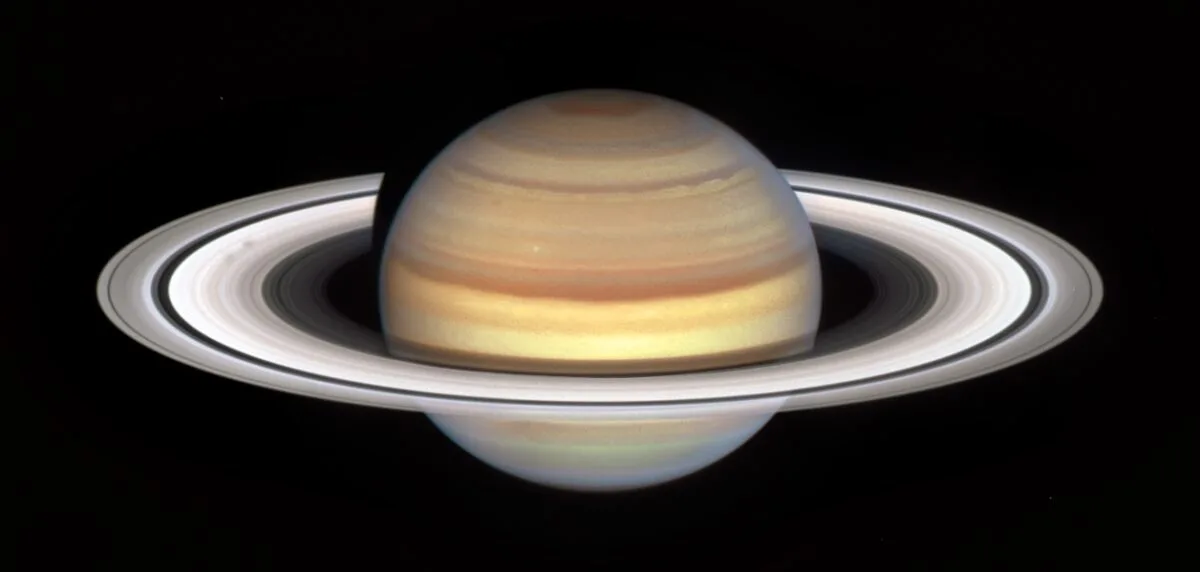
Hubble captures Saturn entering "spokes season"
HUBBLE CAPTURES SATURN ENTERING “SPOKES SEASON” As the ringed planet approaches its autumnal equinox it enters “spoke season” a time where mysterious features begin to appear on the planets rings. Hubble captured Saturn showcasing two smudgy spokes in the B ring on the left of the image.Image: NASA / ESA / and Amy Simon (NASA-GSFC) / Image Processing: Alyssa Pagan (STScI)
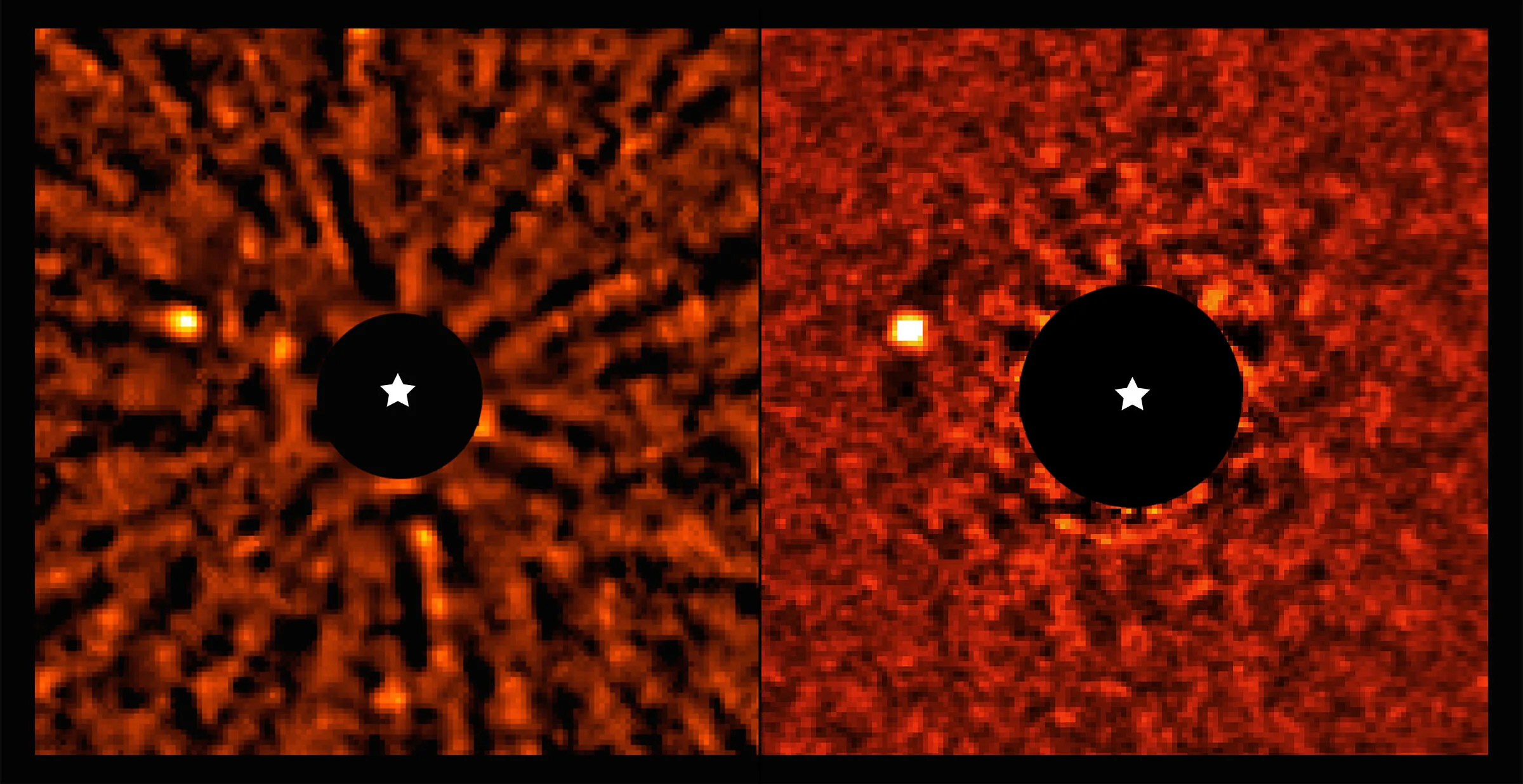
A Jupiter-like exoplanet
A JUPITER-LIKE EXOPLANET These images show two views of a Jupiter-like exoplanet orbiting the star AF Leporis. Both images were captured using the Very Large Telescope (VLT) in Chile. The central star, which has roughly the same mass, size, and temperature as the Sun, was masked during observations, allowing the telescope to detect the planet. The planet’s distance from its star is similar to Saturn’s distance from our star. The system has a debris belt with similar characteristics as the Kuiper belt. This image was released on Feb. 20, 2023.Image: ESO/Mesa, De Rosa et al.
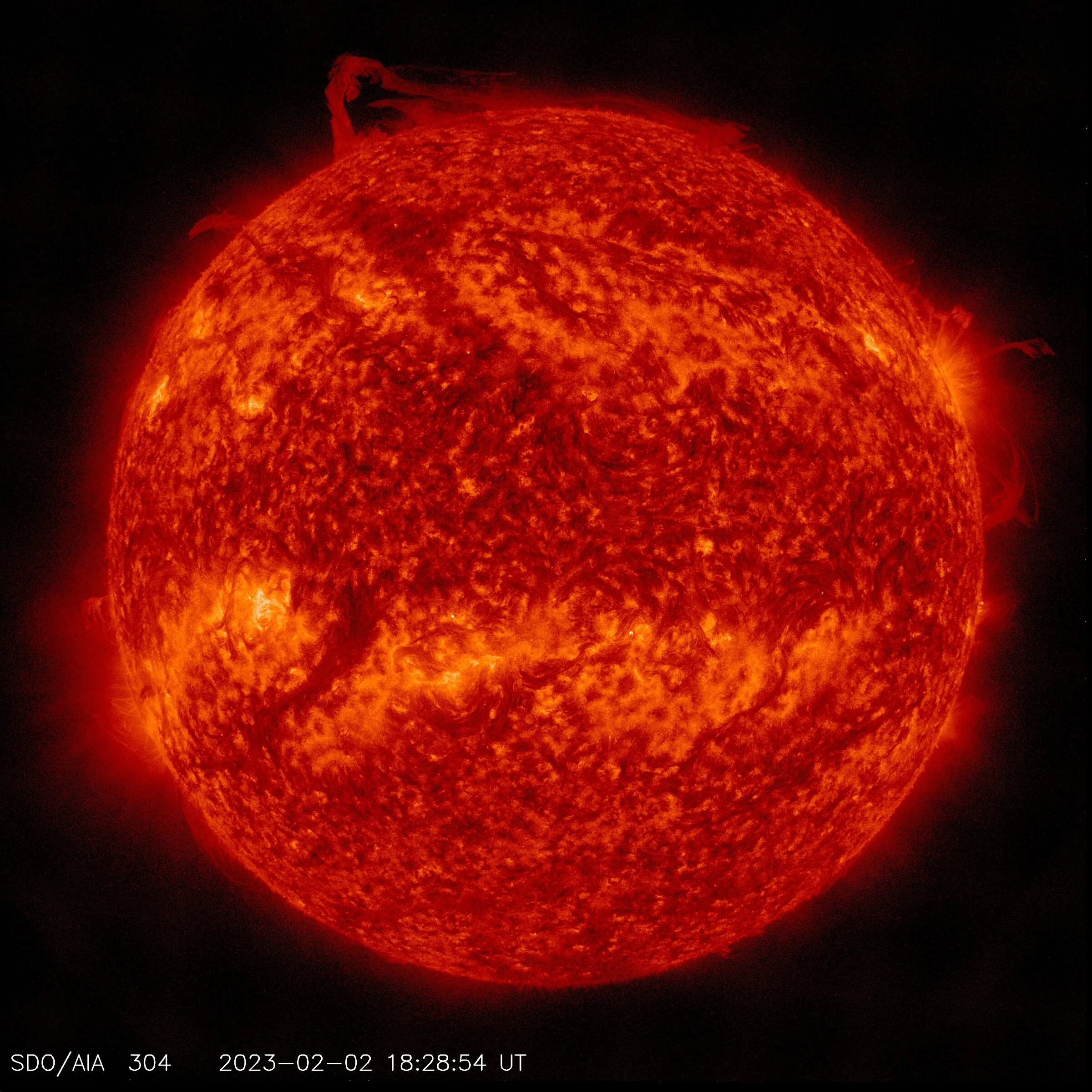
Solar polar crown filament
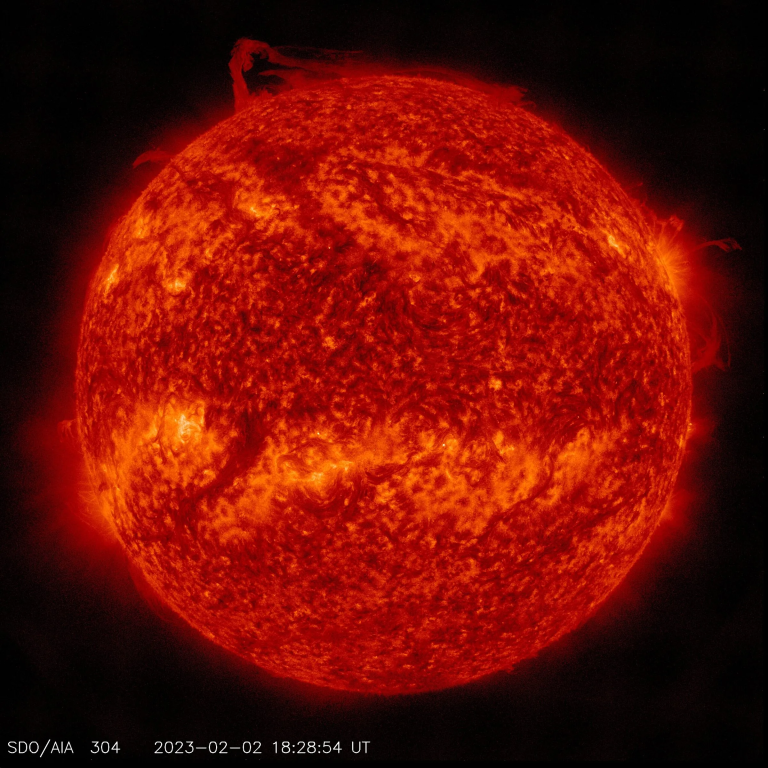
SOLAR POLAR CROWN FILAMENT A solar polar crown filament takes shape at the top of the Sun in this image from NASA’s Solar Dynamics Observatory on Feb. 2, 2023. The crown is connected to a large solar prominence seen at upper-left. It consists of plasma and is linked to magnetic field lines in the Sun’s upper latitudes.Image: NASA / SDO and the AIA, EVE, and HMI science teams
Koichi Wakata spacewalk portrait
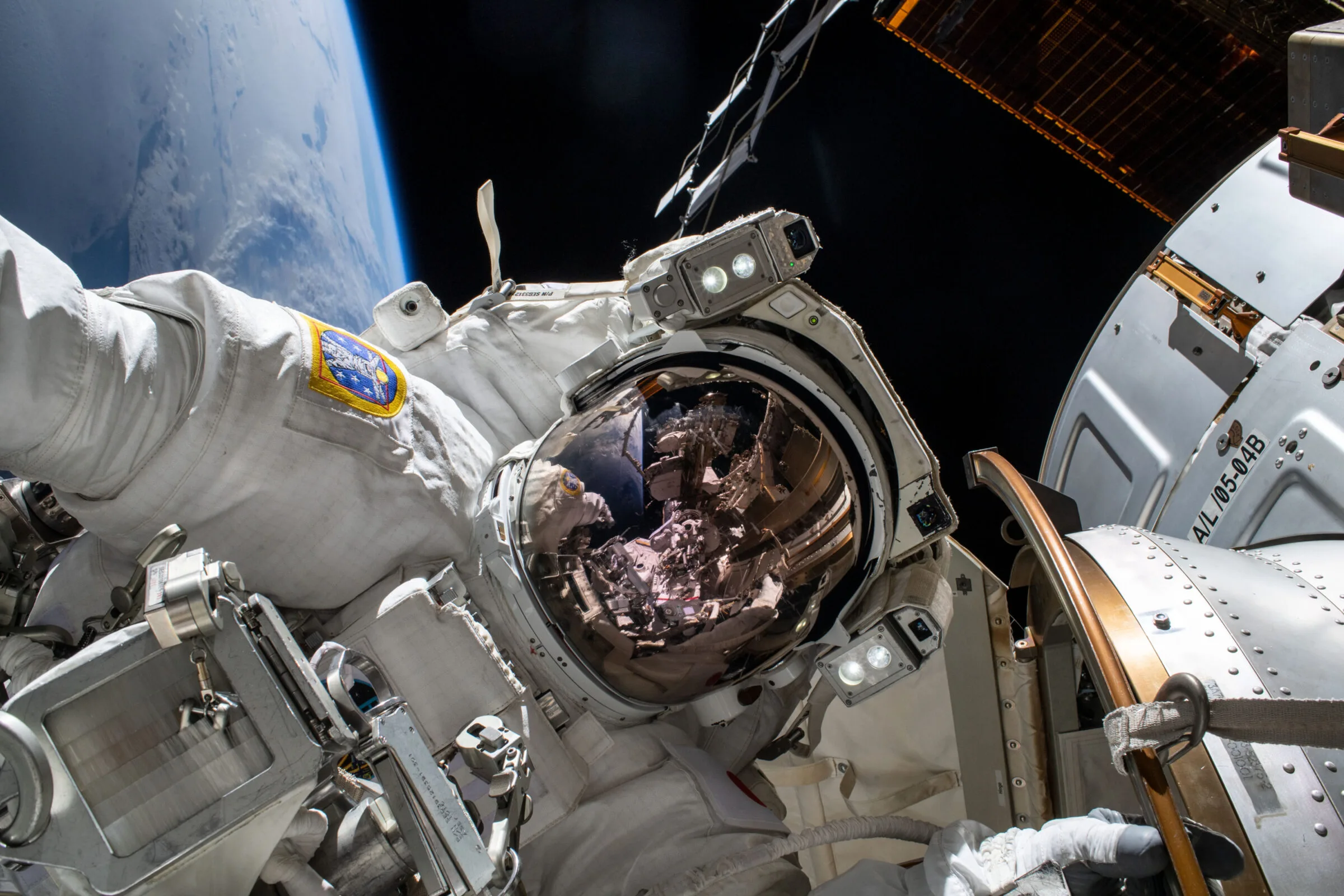
KOICHI WAKATA SPACEWALK PORTRAIT Expedition 68 flight engineer Koichi Wakata of the Japan Aerospace Exploration Agency (JAXA) is pictured during a spacewalk outside the International Space Station on Feb. 2, 2023. He and NASA spacewalker Nicole Mann (out of frame) installed equipment that will enable the future installation of a new roll-out solar array.Image: NASA
Mercury transiting the Sun
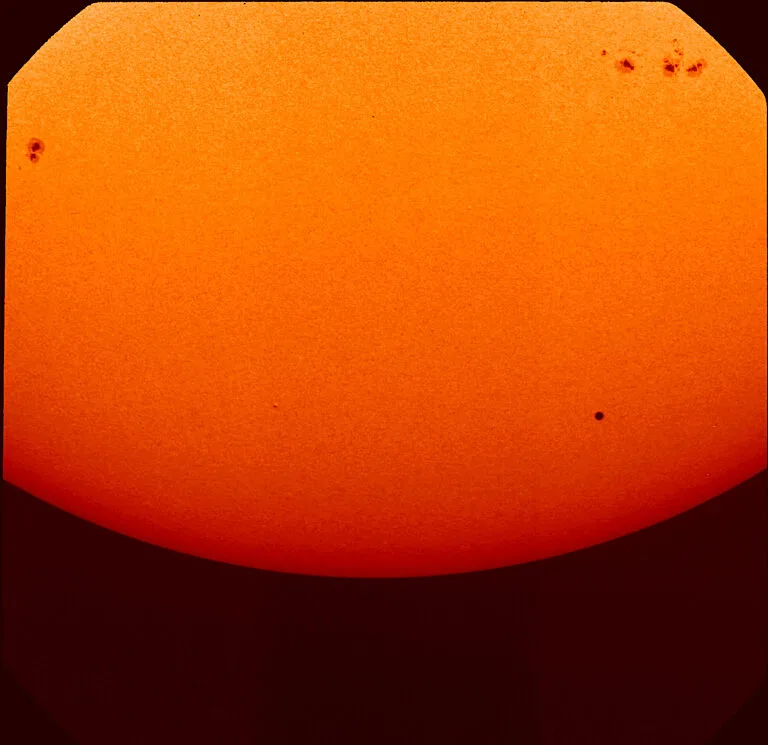
MERCURY TRANSITING THE SUN ESA and NASA’s Solar Orbiter spacecraft captured this image of Mercury transiting in front of the Sun in January 2023. Mercury is the black circle toward the lower right; higher up, you can see dark sunspots of comparable sizes. ESA released this image on Feb. 20, 2023.Image: ESA & NASA/Solar Orbiter/PHI Team
Super Heavy booster test
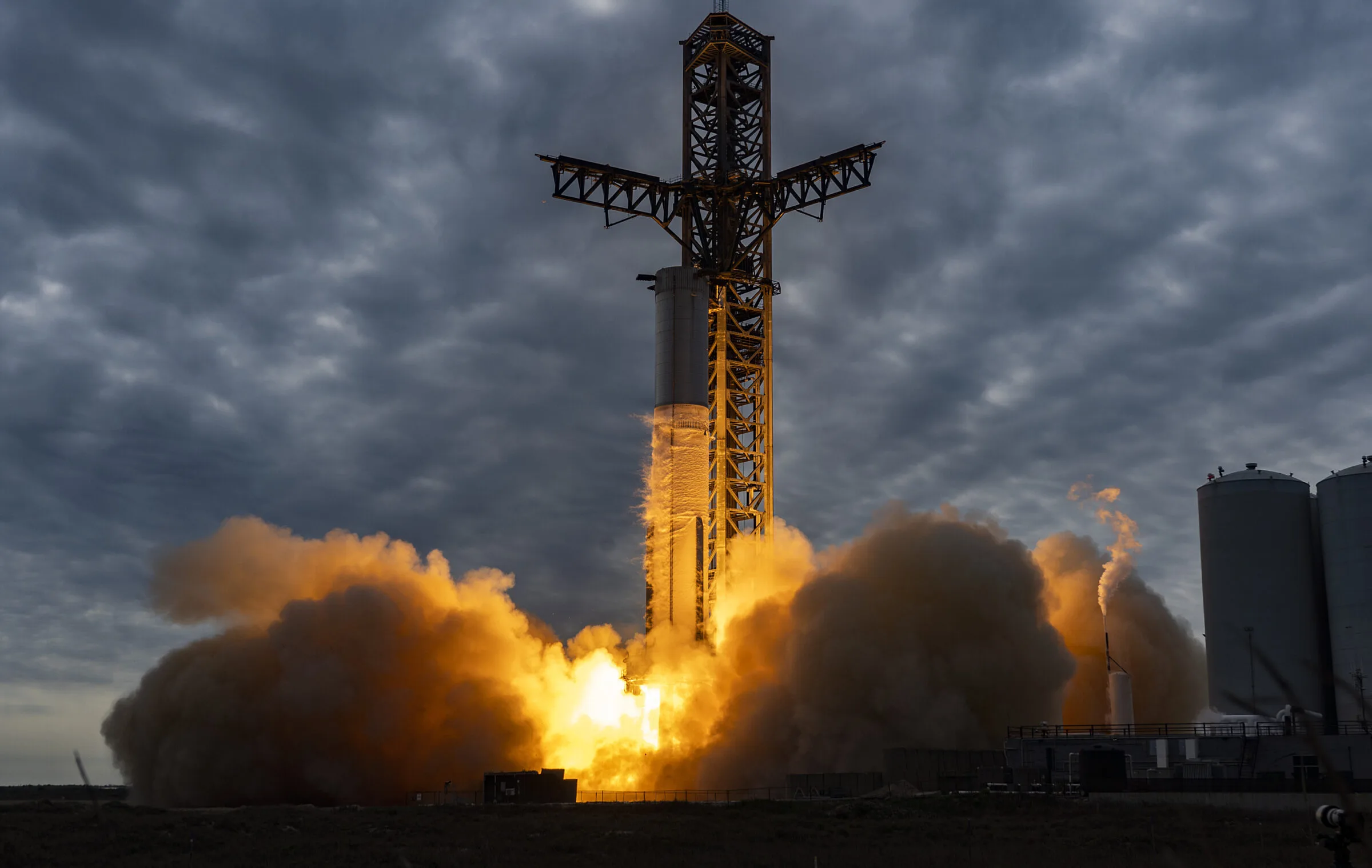
SUPER HEAVY BOOSTER TEST SpaceX test-fires the engines of its Super Heavy booster on Feb. 9, 2023. Super Heavy is part of the company’s Starship launch vehicle designed to carry humans to the Moon and Mars.Image: SpaceX
Perseverance's backup sample depot
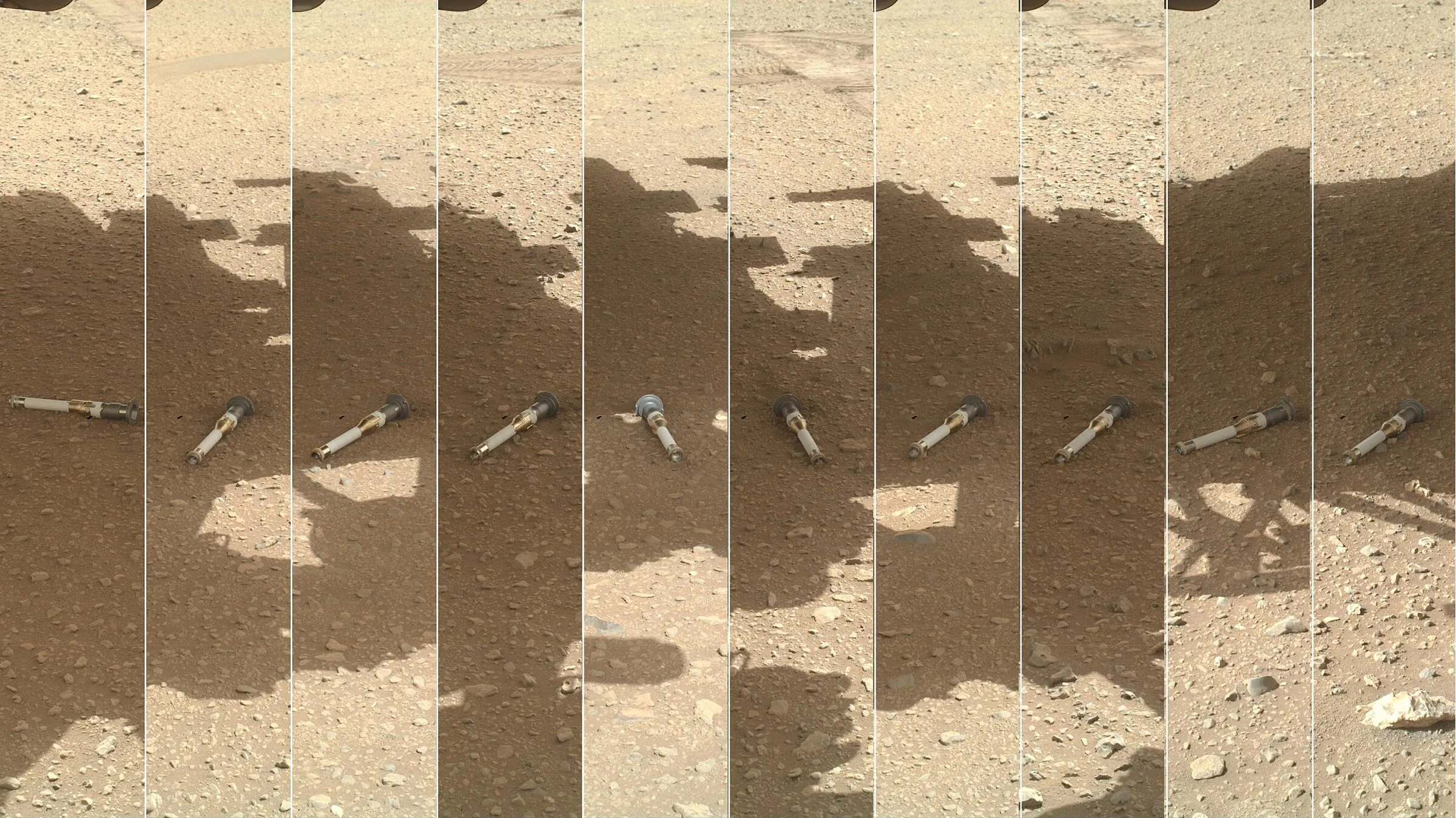
PERSEVERANCE’S BACKUP SAMPLE DEPOT This photomontage shows 10 sample tubes deposited onto the Martian surface by NASA’s Perseverance rover. Shown from left are “Malay,” “Mageik,” “Crosswind Lake,” “Roubion,” “Coulettes,” “Montdenier,” “Bearwallow,” “Skyland,” “Atsah,” and “Amalik.” Deposited from Dec. 21, 2022, to Jan. 28, 2023, these tubes represent a backup collection of rock cores and regolith that could one day be returned to Earth. Perseverance will be collecting more samples on its journey that will be considered the primary samples for return, but these backups are available in case anything happens to the rover. NASA released this photomontage on Feb. 14, 2023.Image: NASA/JPL-Caltech/MSSS
JWST spots galaxy NGC 1433
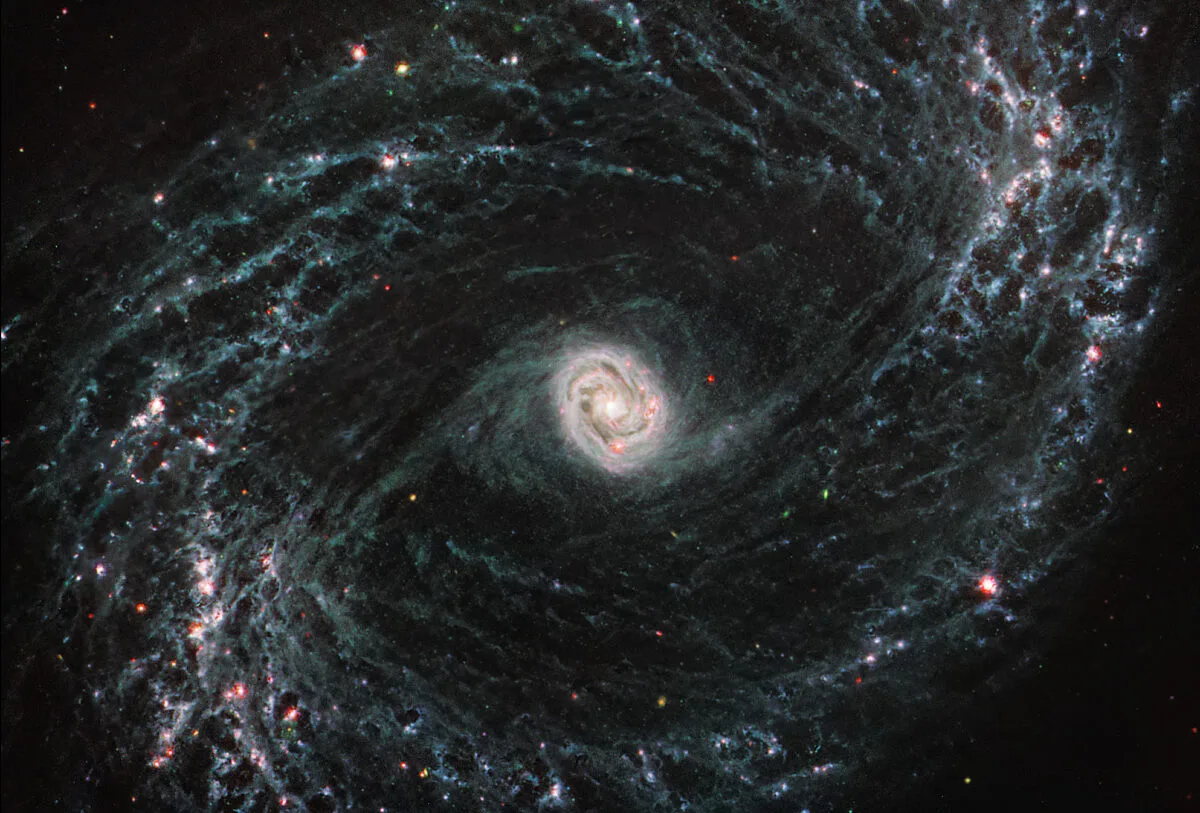
JWST SPOTS GALAXY NGC 1433 This image taken by the James Webb Space Telescope’s Mid-Infrared Instrument (MIRI) shows barred spiral galaxy NGC 1433. The galaxy’s spiral arms contain young stars releasing energy and, in some cases, blowing out the gas and dust of the interstellar medium. At the center of the galaxy lies tightly wrapped spiral arms that wind into an oval shape along the galaxy’s bar. This image was released on Feb. 16, 2023.Image: Science: NASA, ESA, CSA, Janice Lee (NOIRLab). Image processing: Alyssa Pagan (STScI)
Water and waves on Mars
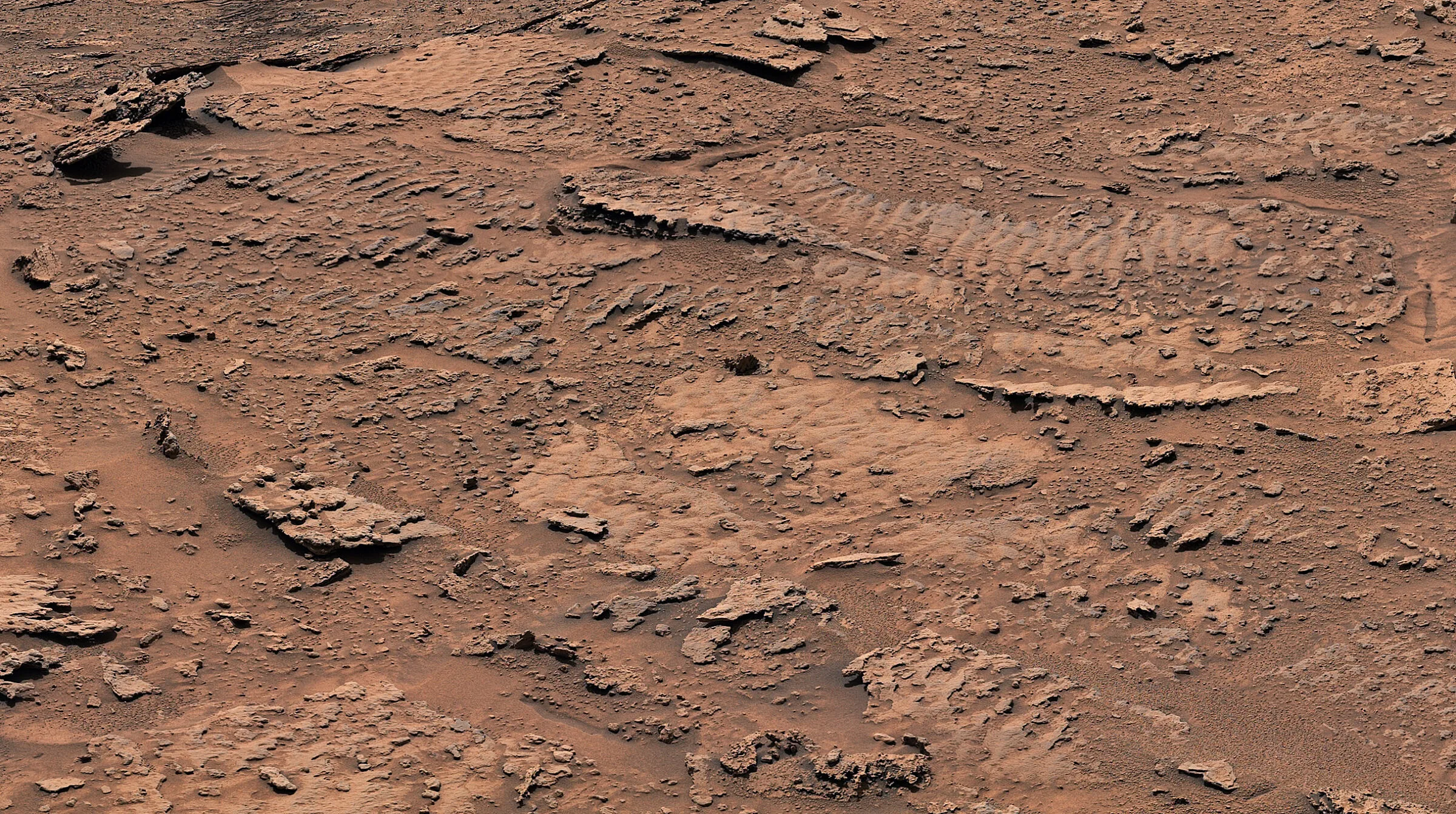
WATER AND WAVES ON MARS NASA’s Curiosity rover discovered rippled rocks created billions of years ago by waves flowing upon a shallow lake. Despite having climbed through many regions of lake deposits, Curiosity had never previously seen evidence of water and waves this clear. The discovery came as a surprise because this region of Mount Sharp — the 5-kilometer-tall (3-mile-tall) mountain Curiosity is climbing — is thought to have formed as Mars’ climate was growing drier. The rover acquired this image on Dec. 16, 2022 and NASA released it on Feb. 8, 2023.Image: NASA/JPL-Caltech/MSSS

NASA Awards Contract Supporting Langley’s Research, Science Services

0
Credits: NASA

NASA has awarded a contract to Analytical Mechanics Associates of Hampton, Virginia, for services to support NASA Langley Research Center’s research, engineering, and science services (RSES). These categories include autonomous systems; acoustics; aerosciences; avionics and crew systems; systems design, engineering, modeling, integration, and flight hardware technology development; flight dynamics and controls; materials and advanced processing structures; systems analysis and concepts development; measurement systems; applied science; science research and analysis; science missions; and an atmospheric science data center.

The RSES contract has a maximum total value of nearly $1.5 billion over an eight-year period of performance.

Under the RSES contract, Analytical Mechanics Associates will support the full range of technology readiness levels from fundamental research through flight rated hardware design and development. The contractor also will support leading-edge research and programs supporting NASA’s missions supporting the infusion of novel, fundamental methods, and concepts in research.

For information about NASA and agency programs, visit: https://www.nasa.gov

April Phillips
Langley Research Center, Hampton, Virginia
757-864-9912
[email protected]

By Roxana Bardan