
Home Blog Page 18

Using Deep Learning To Image The Earth’s Planetary Boundary Layer

0

Lincoln Laboratory researchers are using AI to get a better picture of the atmospheric layer closest to Earth’s surface. Their techniques could improve weather and drought prediction.

Haley Wahl | MIT Lincoln Laboratory
MIT News (https://news.mit.edu/2024/using-deep-learning-image-earths-planetary-boundary-layer-0418)
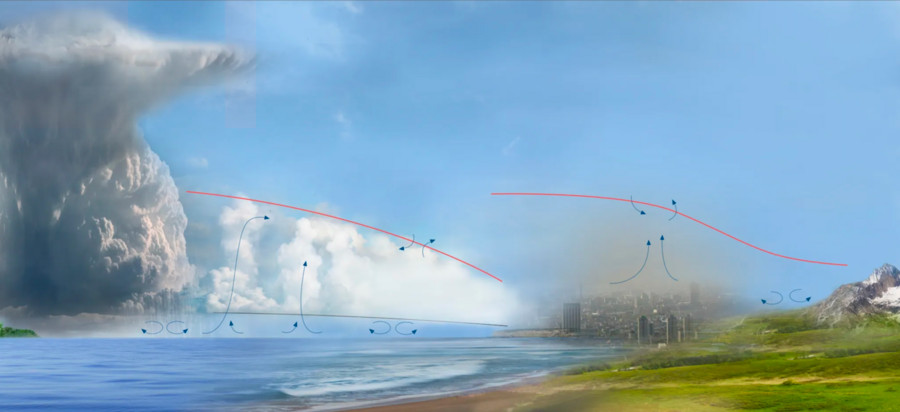
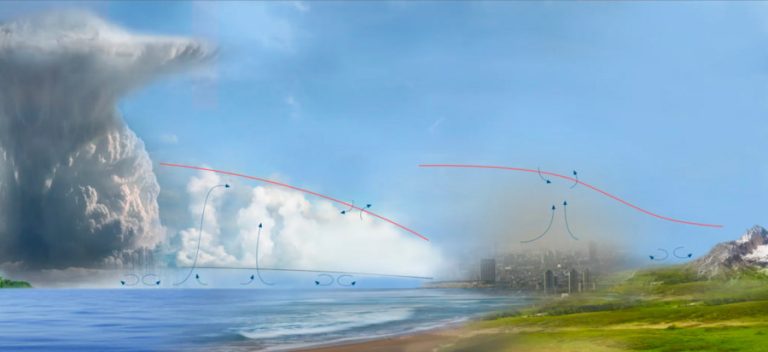
This schematic of the planetary boundary layer (red line) shows exchanges of moisture and movement of aerosols that occur between the Earth’s surface and this lowest level of the atmosphere. Lincoln Laboratory researchers are using deep learning techniques to learn more about PBL features, important for weather and climate studies. Credits:Image: Joseph Santanello/NASA PBL Study Team

Although the troposphere is often thought of as the closest layer of the atmosphere to the Earth’s surface, the planetary boundary layer (PBL) — the lowest layer of the troposphere — is actually the part that most significantly influences weather near the surface. In the 2018 planetary science decadal survey, the PBL was raised as an important scientific issue that has the potential to enhance storm forecasting and improve climate projections.  

“The PBL is where the surface interacts with the atmosphere, including exchanges of moisture and heat that help lead to severe weather and a changing climate,” says Adam Milstein, a technical staff member in Lincoln Laboratory’s Applied Space Systems Group. “The PBL is also where humans live, and the turbulent movement of aerosols throughout the PBL is important for air quality that influences human health.” 

Although vital for studying weather and climate, important features of the PBL, such as its height, are difficult to resolve with current technology. In the past four years, Lincoln Laboratory staff have been studying the PBL, focusing on two different tasks: using machine learning to make 3D-scanned profiles of the atmosphere, and resolving the vertical structure of the atmosphere more clearly in order to better predict droughts.  

This PBL-focused research effort builds on more than a decade of related work on fast, operational neural network algorithms developed by Lincoln Laboratory for NASA missions. These missions include the Time-Resolved Observations of Precipitation structure and storm Intensity with a Constellation of Smallsats (TROPICS) mission as well as Aqua, a satellite that collects data about Earth’s water cycle and observes variables such as ocean temperature, precipitation, and water vapor in the atmosphere. These algorithms retrieve temperature and humidity from the satellite instrument data and have been shown to significantly improve the accuracy and usable global coverage of the observations over previous approaches. For TROPICS, the algorithms help retrieve data that are used to characterize a storm’s rapidly evolving structures in near-real time, and for Aqua, it has helped increase forecasting models, drought monitoring, and fire prediction. 

These operational algorithms for TROPICS and Aqua are based on classic “shallow” neural networks to maximize speed and simplicity, creating a one-dimensional vertical profile for each spectral measurement collected by the instrument over each location. While this approach has improved observations of the atmosphere down to the surface overall, including the PBL, laboratory staff determined that newer “deep” learning techniques that treat the atmosphere over a region of interest as a three-dimensional image are needed to improve PBL details further.

“We hypothesized that deep learning and artificial intelligence (AI) techniques could improve on current approaches by incorporating a better statistical representation of 3D temperature and humidity imagery of the atmosphere into the solutions,” Milstein says. “But it took a while to figure out how to create the best dataset — a mix of real and simulated data; we needed to prepare to train these techniques.”

The team collaborated with Joseph Santanello of the NASA Goddard Space Flight Center and William Blackwell, also of the Applied Space Systems Group, in a recent NASA-funded effort showing that these retrieval algorithms can improve PBL detail, including more accurate determination of the PBL height than the previous state of the art. 

While improved knowledge of the PBL is broadly useful for increasing understanding of climate and weather, one key application is prediction of droughts. According to a Global Drought Snapshot report released last year, droughts are a pressing planetary issue that the global community needs to address. Lack of humidity near the surface, specifically at the level of the PBL, is the leading indicator of drought. While previous studies using remote-sensing techniques have examined the humidity of soil to determine drought risk, studying the atmosphere can help predict when droughts will happen.  

In an effort funded by Lincoln Laboratory’s Climate Change Initiative, Milstein, along with laboratory staff member Michael Pieper, are working with scientists at NASA’s Jet Propulsion Laboratory (JPL) to use neural network techniques to improve drought prediction over the continental United States. While the work builds off of existing operational work JPL has done incorporating (in part) the laboratory’s operational “shallow” neural network approach for Aqua, the team believes that this work and the PBL-focused deep learning research work can be combined to further improve the accuracy of drought prediction. 

“Lincoln Laboratory has been working with NASA for more than a decade on neural network algorithms for estimating temperature and humidity in the atmosphere from space-borne infrared and microwave instruments, including those on the Aqua spacecraft,” Milstein says. “Over that time, we have learned a lot about this problem by working with the science community, including learning about what scientific challenges remain. Our long experience working on this type of remote sensing with NASA scientists, as well as our experience with using neural network techniques, gave us a unique perspective.”

According to Milstein, the next step for this project is to compare the deep learning results to datasets from the National Oceanic and Atmospheric Administration, NASA, and the Department of Energy collected directly in the PBL using radiosondes, a type of instrument flown on a weather balloon. “These direct measurements can be considered a kind of ‘ground truth’ to quantify the accuracy of the techniques we have developed,” Milstein says.

This improved neural network approach holds promise to demonstrate drought prediction that can exceed the capabilities of existing indicators, Milstein says, and to be a tool that scientists can rely on for decades to come.

Reprinted with permission of MIT News
(http://news.mit.edu/)

Source: cyberpogo.com
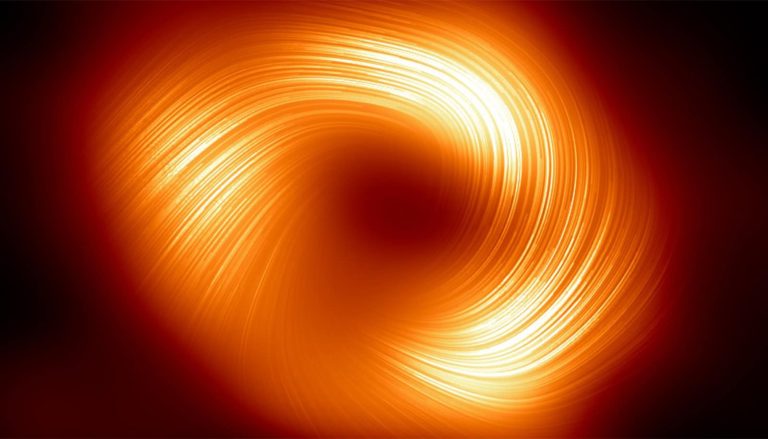
Astronomers Snap Magnetic Fields Swirling Around Black Hole

0

The Event Horizon Telescope (EHT) collaboration, which in 2022 presented the first image of Sagittarius A*, the black hole at the center of our Milky Way, has captured a new view of the massive object, this time in polarized light. For the first time astronomers have been able to measure polarization, a signature of magnetic fields, this close to the edge of the black hole. The lines mark the orientation of polarization, which is related to the magnetic field around the black hole’s shadow. (Credit: EHT Collaboration)

A new image from the Event Horizon Telescope collaboration has uncovered strong and organized magnetic fields spiraling from the edge of the supermassive black hole Sagittarius A*, or Sgr A*.


Seen in polarized light for the first time, this new view of the monster lurking at the center of our Milky Way galaxy has revealed a magnetic field structure strikingly similar to that of a much more massive black hole, known as M87*, at the center of the M87 galaxy, suggesting that strong magnetic fields may be common to all black holes. This similarity also hints toward a hidden jet in Sgr A*.

The results appear in the journal The Astrophysical Journal Letters.

Scientists unveiled the first image of Sgr A*—which is approximately 27,000 light-years from Earth—in 2022, revealing that while the Milky Way’s supermassive black hole is more than a thousand times smaller and less massive than M87’s, it looks remarkably similar. This made scientists wonder whether the two shared common traits outside of their looks.

To find out, the team decided to study Sgr A* in polarized light. Previous studies of light around M87* revealed that the magnetic fields around the black hole giant allowed it to launch powerful jets of material back into the surrounding environment. Building on this work, the new images have revealed that the same may be true for Sgr A*.

Boris Georgiev, an EHT postdoctoral researcher at the University of Arizona’s Steward Observatory and coauthor on the study, says: “The consistency of magnetic field structures around Sgr A* and M87* suggests that the processes by which black holes feed and eject jets into their surroundings may be universal, despite their vast differences in size and mass.”

“What we’re seeing now is that there are strong, twisted, and organized magnetic fields near the black hole at the center of the Milky Way galaxy,” says Sara Issaoun, NASA Hubble Fellowship Program Einstein Fellow at the Center for Astrophysics | Harvard & Smithsonian and co-lead of the project. “Along with Sgr A* having a strikingly similar polarization structure to that seen in the much larger and more powerful M87* black hole, we’ve learned that strong and ordered magnetic fields are critical to how black holes interact with the gas and matter around them.”

Light is a moving oscillation of electric and magnetic fields that allows us to see objects. Sometimes, light oscillates in a preferred orientation, also known as polarized. Although polarized light surrounds us, to human eyes it is indistinguishable from “normal,” or non-polarized, light. In the plasma around these black holes, particles whirling around magnetic field lines impart a polarization pattern perpendicular to the field. This allows astronomers to see in increasingly vivid detail what is happening in black hole regions and map their magnetic field lines.

“By imaging polarized light from hot glowing gas near black holes, we are directly inferring the structure and strength of the magnetic fields that thread the flow of gas and matter that the black hole feeds on and ejects,” says Angelo Ricarte, Harvard Black Hole Initiative Fellow and project co-lead. “Polarized light teaches us a lot more about the astrophysics, the properties of the gas, and mechanisms that take place as a black hole feeds.”

But imaging black holes in polarized light isn’t as easy as putting on a pair of polarized sunglasses, and this is particularly true of Sgr A*, which is changing so fast that it doesn’t sit still for pictures. Imaging the supermassive black hole requires sophisticated tools above and beyond those previously used for capturing M87*, a much steadier target. Dan Marrone, EHT co-principal investigator and a coauthor of the paper who is a professor of astronomy at Steward Observatory, and his team developed instruments that detected the polarized radio waves for this result.

“Similar to the way that polarized light can tell us the orientation of the surface it is bouncing off of, such as windows or roads, it can also show us the orientation of magnetic fields around black holes,” Marrone says. “Because the magnetic fields change rapidly around Sgr A*, turning EHT observations into polarized images was a huge challenge. We’re really proud that our data carries enough information.”

Scientists say they are excited to have images of both supermassive black holes in polarized light because these images, and the data that come with them, provide new ways to compare and contrast black holes with different sizes and environments. As technology improves, the images are likely to reveal even more secrets of black holes and their similarities or differences.

“These findings help us improve our computer models and theories and give us a better idea of what happens to matter close to a black hole’s event horizon,” adds coauthor Chi-kwan Chan, a University of Arizona professor of astronomy who focuses on theoretical modeling of black holes.

The EHT has conducted several observations since 2017. Each year, the images improve as the EHT incorporates new telescopes, larger bandwidth, and new observing frequencies.

“We are developing hardware and software to automate EHT observations, thereby enabling the EHT to make more frequent observations in the future in order to capture movies of black holes,” says Amy Lowitz, an EHT research scientist at Steward Observatory who leads the EHT Agility Project.

Such observations, spanning several months, are one of the primary objectives for the EHT for the coming years, according to Remo Tilanus, a University of Arizona professor and the EHT operation manager who oversees the observation campaigns and technical developments.

“With the capabilities of the Agility Project, we should be able to see material swirling around M87* and being ejected into its jets,” Tilanus says.

Planned expansions for the next decade will also enable high-fidelity movies, may reveal a hidden jet in Sgr A* and will allow astronomers to observe similar polarization features in other black holes. There are even plans in the works to extend the EHT into space, providing much sharper images of black holes and enabling much more powerful studies of black hole rotation and the mechanisms that power black hole jets.

The EHT is scheduled to observe Sgr A* again in April, keeping the EHT UArizona team busy. Together with Lowitz and Georgiev, postdoctoral researcher Andrew Thomas West and graduate student Jasmin Washington are currently preparing the Submillimeter Telescope on Mount Graham and the 12-meter radio telescope of the Arizona Radio Observatory on Kitt Peak for the upcoming observation.

Washington, who participated in the 2021 observing campaign as a first-year graduate student, says she enjoyed the experience and is excited to be able to return this year.

“We’ll be observing with more telescopes than ever before, giving us better coverage and more sensitivity to make these polarized measurements,” she says.

West adds: “Measuring with very high fidelity how these sources have changed since they were last observed will inform our models and allow us to answer fundamental questions about the physics in these extreme environments—it is very exciting!”

Source: University of Arizona

Original Study DOI: 10.3847/2041-8213/ad2df0

Originally published at: Futurity

From Brie To Roquefort. Celebrating The Diversity Of French Cheeses.

0

We would like to thank our generous sponsors for making this article possible.

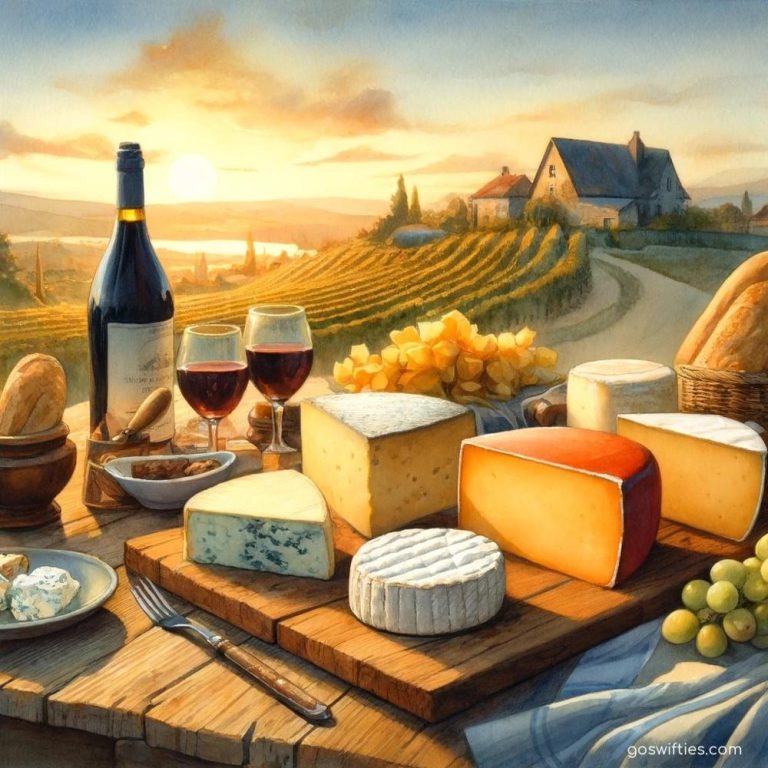
French cheese, an emblem of gastronomic excellence, is at the heart of French culture, tradition, and cuisine. With over a thousand varieties, each cheese is proof of the diversity of the regions of France, the expertise of its cheesemakers, and the centuries-old traditions that have shaped its culinary heritage. We explore the world of French cheeses, their varieties, history, unique ingredients and processes, culinary uses, and cultural significance.


Varieties And Diversity.

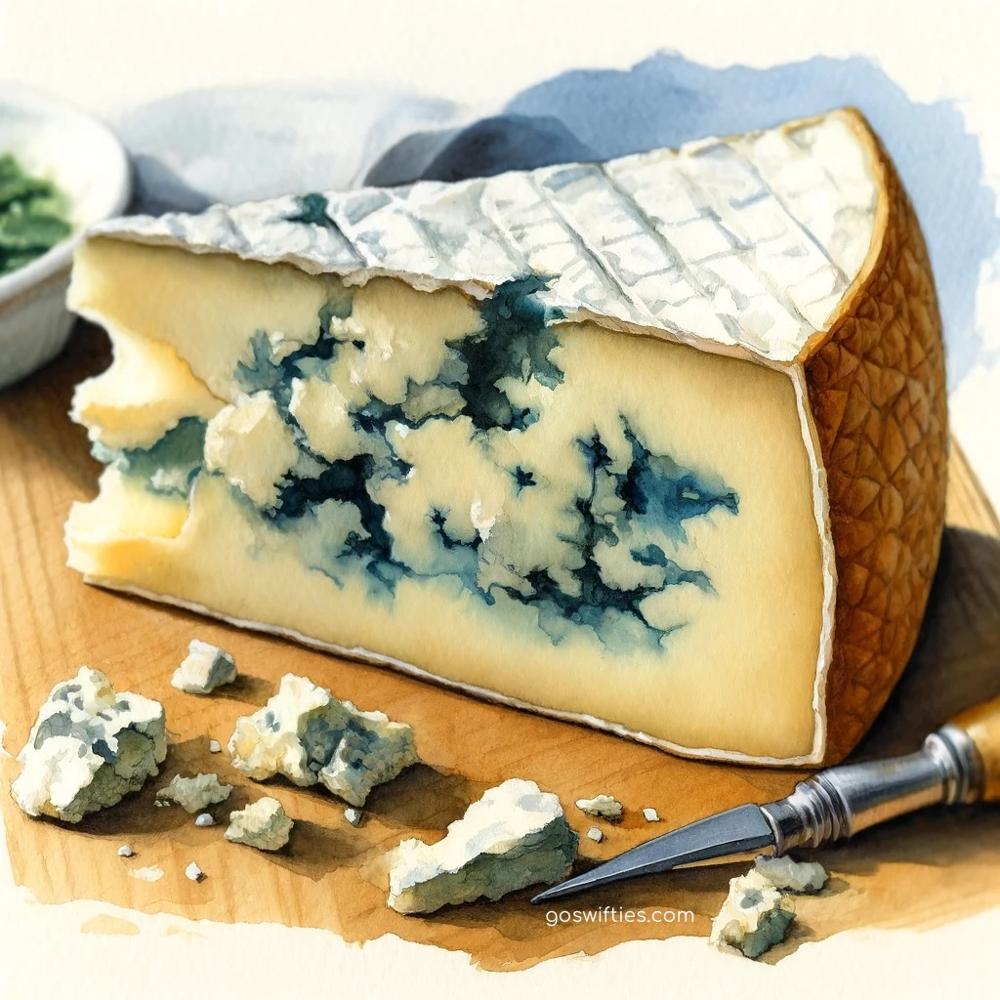
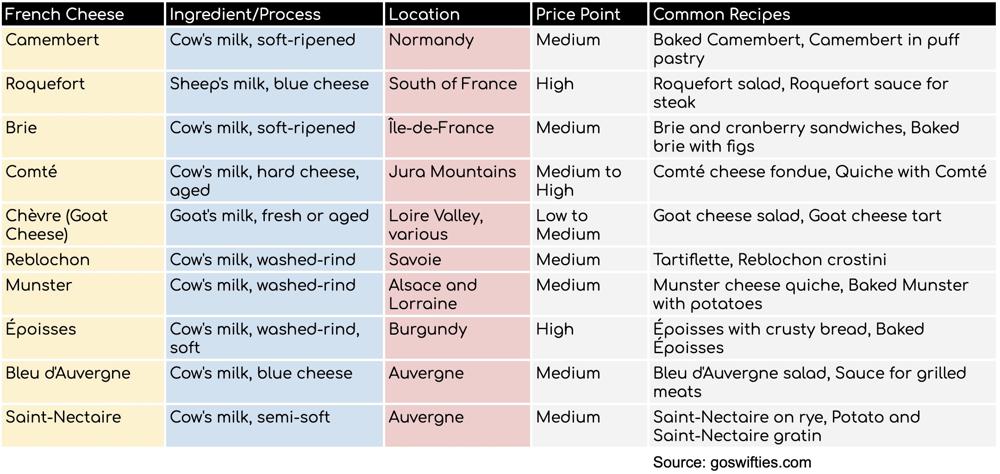
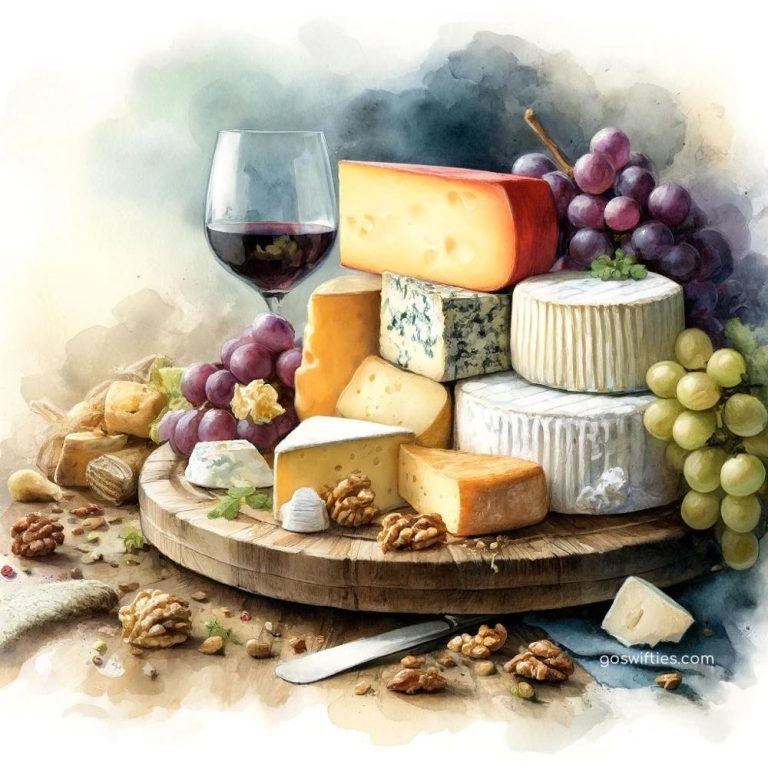
French cheeses can be broadly categorised by their textures and aging processes, from the soft, bloomy rinds of Brie and Camembert to the firm, pungent depths of Roquefort and the rustic charm of Comté. The diversity is staggering, with each region offering its own specialty.

Camembert.

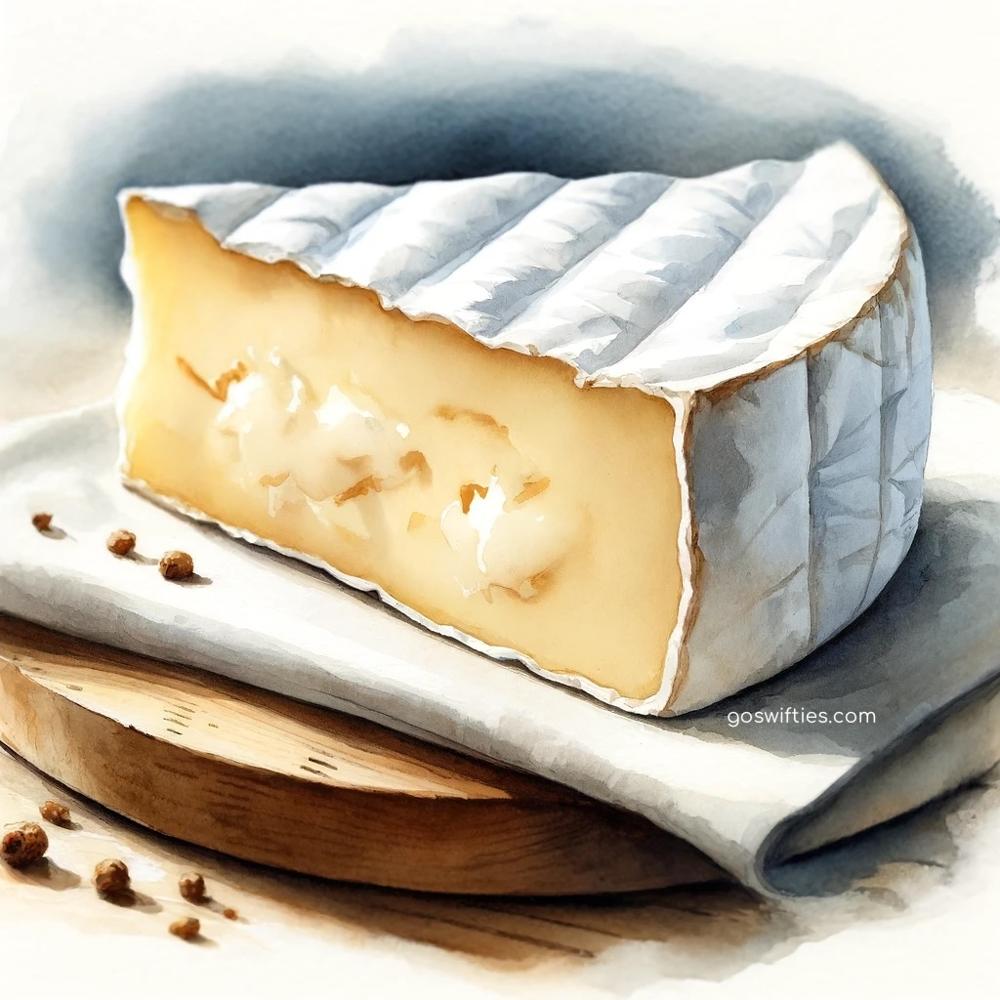
From Normandy, soft and creamy with a bloomy rind.

Roquefort.

A blue cheese from the south of France, known for its sharp and tangy flavor.

Brie.

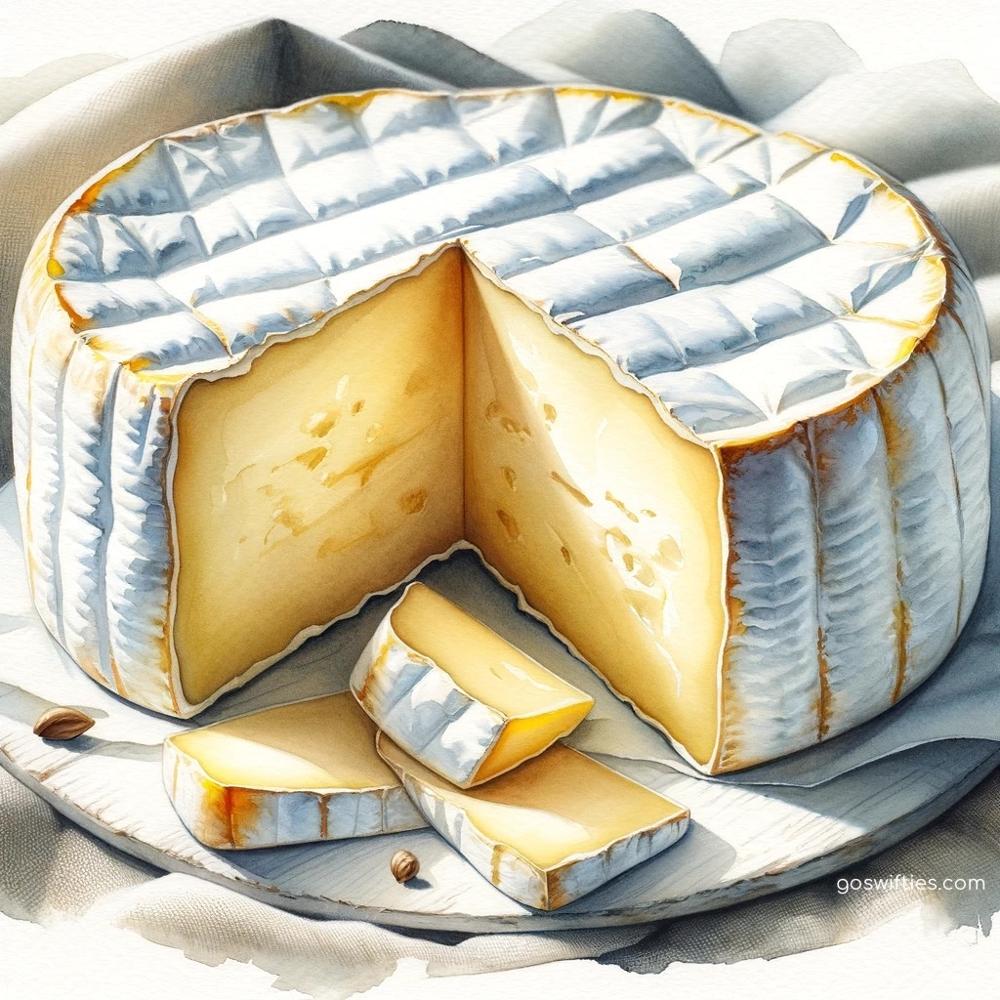
Another soft cheese from the Île-de-France, with a mild and buttery profile.

Comté.

From the Jura mountains, a hard cheese is celebrated for its nutty and complex flavours.

Reblochon.

Fresh, young, and tender are the signature features of this mountain cheese from the Savoie.

Munster.

Pungent and famous for its strong odour and its soft, smooth interior, oozing with a consistency like melting chocolate.

Pont l’Évêque.

May well be the oldest Normandy cheese still being made, soft, flavourful cheeses from the Calvados region.

Emmenthal.

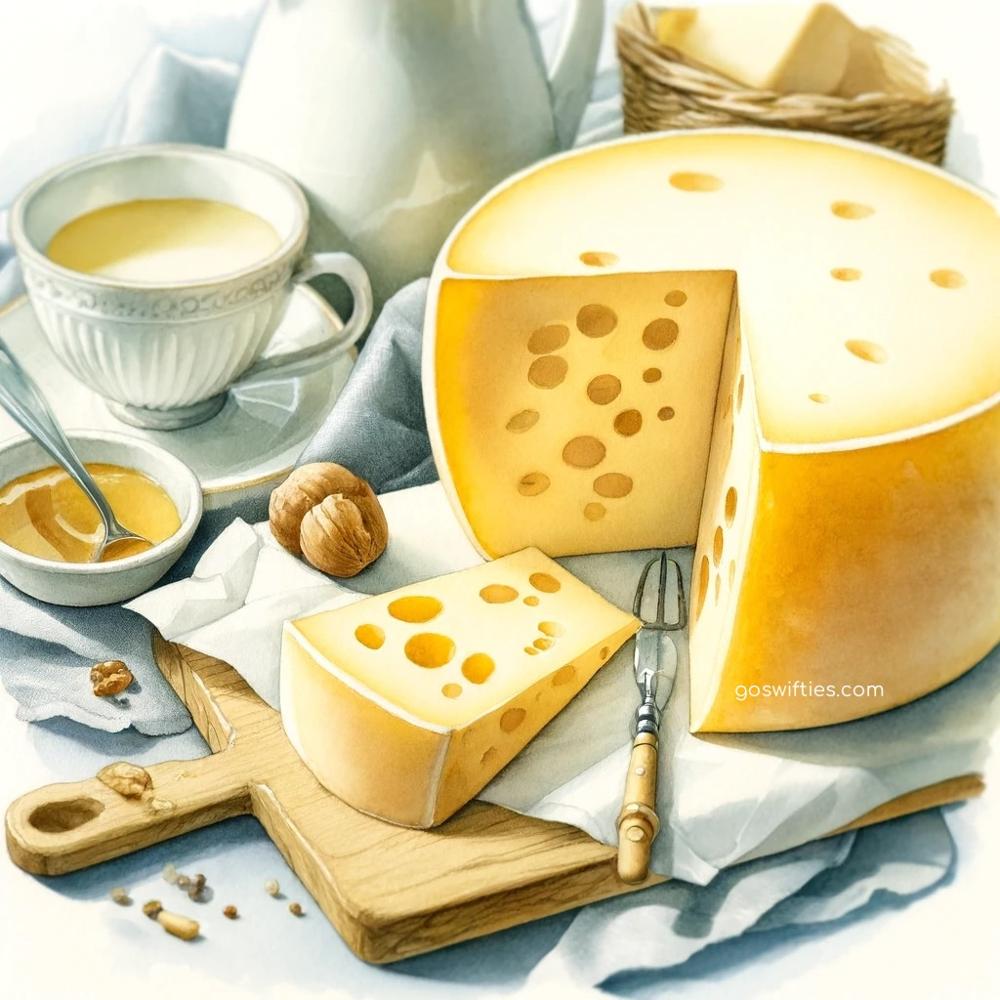
Smooth and the aroma and taste are smooth and sweet, used in a number of cooked dishes, including gratins and fondues.


A Rich History.

The origins of French cheese date back over a thousand years, deeply rooted in monastic traditions. Monks were among the first to refine cheesemaking techniques, creating cheeses as a way of preserving milk. Over the centuries, these practices were honed and passed down through generations, with each region developing its own unique varieties based on local climates, breeds of cows, goats, or sheep, and indigenous flora.


Unique Ingredients And Processes.

French cheesemaking is an art that combines the simplicity of milk with the complex interplay of bacteria, molds, and time. Unique ingredients, such as the milk from specific breeds of local animals, are crucial. The processes vary widely, from the lactic fermentation of soft cheeses to the pressing and aging of hard cheeses. The use of natural caves in regions like Roquefort provides the perfect conditions for developing the molds that give blue cheeses their characteristic veins.

Culinary Integration.

French cheeses are not just for the cheeseboard; they play a starring role in many iconic French dishes. Camembert is baked into a gooey delight, while Roquefort enhances salads and sauces with its bold flavour. Brie finds its way into sandwiches and quiches, and Comté is a key ingredient in the traditional fondue and the savoury Croque Monsieur.

GoSwifties. Cheese.

Cultural Significance.

Cheese holds a place of honour in French culture, symbolising the richness of French gastronomic heritage. It is a staple of daily life, enjoyed from simple family meals to elaborate dining experiences. The French tradition of the cheese course, served between the main course and dessert, reflects the reverence for cheese. Furthermore, cheese is celebrated through numerous festivals and fairs, particularly in regions known for their specific varieties.


The story of French cheese is a mosaic of regional identities, artisanal dedication, and the joy of sharing. It encapsulates the essence of French terroir, the artistry of cheesemakers, and the communal spirit of the French table. In exploring French cheeses, one discovers not just the flavours and textures but the stories of a land rich in culinary tradition and innovation.

Originally published at: GoSwifties.com

Coffee. The Ambrosia of Mortals.

0

We would like to thank our generous sponsors for making this article possible.

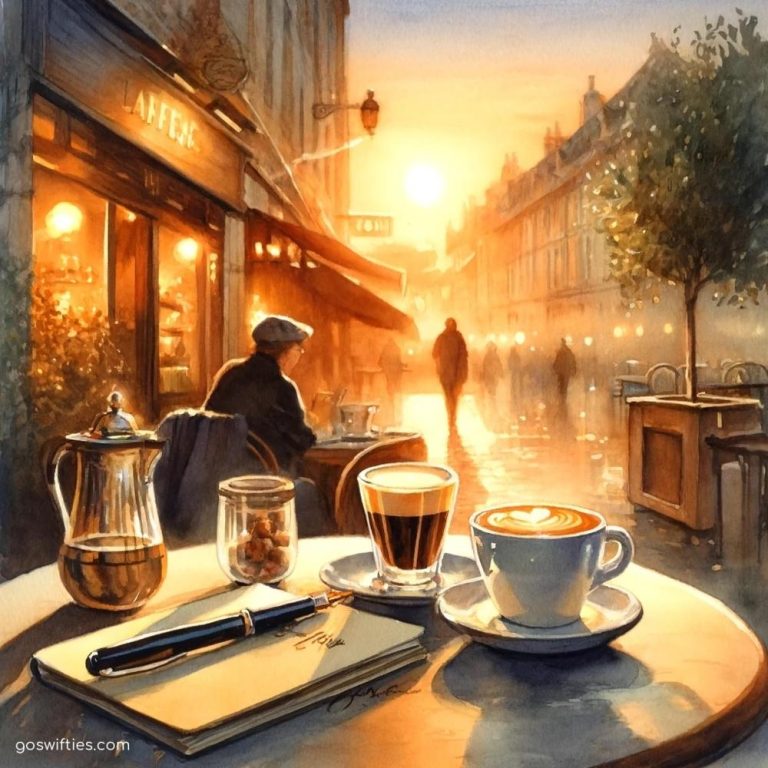
Coffee has been loved by so many, but why? It has a bitter taste, that even most of the animals in the wild avoid. You would think that we should take it as a warning sign from nature to avoid it. But why do we drink it? 

Each person will have different opinion on why they drink coffee. It could be a habit that is acquired through taste. Some even say that they could not start their day without it. Most of the time, it is just the caffeine that is talking, to keep themselves awake. Whether to keep themselves from sleeping during work or increase their focus we love this bitter taste (or sweet if you add sugar and milk).

Coffee Beans

There are different types of coffee beans, and these are the most famous ones.

Arabica

Considered to be the highest quality and superior in taste. It has an exquisite aroma and have hints of fruits and berries in its taste. They are also grown in locations in higher altitudes. 

Robusta

This one has a stronger aroma. It smells as if you have been doing wood work in a shop. Some prefer the Robus due to it’s stronger presence. In terms of cultivation, it has been shown to be more resilient to disease and produces consistent yields. This makes the Robusta relatively cheaper than the Arabica. 

Liberica

It has a unique aroma and distinct flavor. It is characterized by fruity taste and and hints of floral aroma. The strong odor when roasting has also been a signature trait of this coffee bean. Some have even say it’s a “love it” or “hate it” and that there is no in-between.

Process

There are various ways of processing coffee beans into our beloved drink. 

Drip Coffee Maker.

Made by using hot water and letting the grounded coffee beans to drip naturally filtered by a filter.

Espresso Machine.

Designed to brew strong and concentrated coffee.

French Press

Also known as the plunger pot, this is a manual process similar to the Drip Coffee Maker, but this method sets the fine-ground coffee pushed at the bottom.

Capsule Machine

These kind of devices uses disposable cups or pods that contain grounded coffee. Available in different flavors like Espresso, Americano, Spanish Latte and even Matcha. 

There are different methods of brewing coffee like Pour-Over, Cold brew, and others.


Trying out different methods and even coffee beans is like having an adventure through the city of Paris to taste all the Michelin star restaurants. Coffee is beloved by many not just because of the taste, but also of the different ways to savor it.

It has been evolving throughout history. And it’s not just the coffee beans where they come from, but also the preparation and engineering on how they are processed into the drink we love.

Originally published at: GoSwifties.com

From Vine To Glass. The Art And Soul Of French Wines.

0

We would like to thank our generous sponsors for making this article possible.

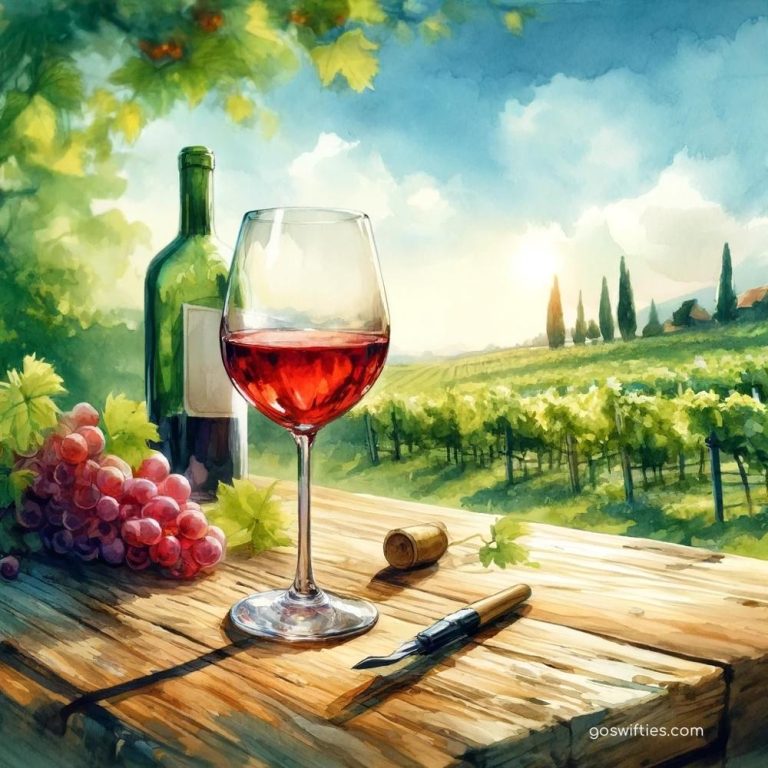
French wines are not merely beverages; they are a deep expression of culture, history, and terroir,  a French term that embodies the unique combination of climate, soil, and landscape that gives wine its character. The story of French wine is as rich and varied as the landscapes of France, stretching from the rolling hills of Bordeaux to the sun-drenched vineyards of Provence. Let us uncork the essence of French wines, exploring their varieties, storied history, the craft of vintners, their integral role in French cuisine, and their influence on global wine culture.


Varieties And Regions

French wine is categorised into several key regions, each known for distinct grape varieties and wine styles.

Bordeaux.

Renowned for its red wines, a blend of Cabernet Sauvignon, Merlot, and Cabernet Franc. Sauternes, a sweet white wine, is also notable.

Burgundy (Bourgogne).

Famous for its Pinot Noir and Chardonnay wines. The region is also known for its complex classification system based on specific vineyard areas.

Champagne.

The only region that produces the sparkling wine legally allowed to be called Champagne, using mainly Pinot Noir, Chardonnay, and Pinot Meunier grapes.

Rhône Valley.

Known for Syrah (red) in the north and blends of Grenache, Syrah, and Mourvèdre (red) in the south. Viognier, Roussanne, and Marsanne (whites) are also prominent.

Loire Valley.

Offers a wide range of wines, from crisp Sauvignon Blanc to light-bodied reds like Cabernet Franc.

Alsace.

Unique for its Germanic influence, Alsace produces aromatic white wines like Riesling, Gewürztraminer, and Pinot Gris.


History

The history of French wine spans thousands of years, dating back to the 6th century BC with the founding of the Greek colony of Massalia (modern-day Marseille), where the Greeks introduced viticulture to France. The Romans further developed wine production, recognising the unique climates and soils conducive to viticulture. Over the centuries, the Church played a crucial role in the preservation and refinement of winemaking techniques, especially in regions like Burgundy and Champagne.

Profession

The French wine industry is supported by a community of vintners, sommeliers, oenologists, and wine merchants who dedicate their lives to the craft of wine. From the careful pruning of vines to the meticulous aging in cellars, these professionals ensure the continuation of France’s wine legacy, guided by regulations like the Appellation d’Origine Contrôlée (AOC) system, which safeguards the quality and authenticity of French wines.

Cuisine

Wine is an integral part of French cuisine, not just as a beverage but as a component of cooking. The concept of “terroir” extends to the dining table, where wines are paired meticulously with dishes to enhance the flavors of both the food and the wine. This harmony between food and wine is a quintessential aspect of French dining culture.

Culture

Beyond the bottle, French wine symbolises a way of life; a celebration of the senses, heritage, and the art of living well. Wine festivals, tastings, and tours are ingrained in French culture, drawing enthusiasts from around the world to experience the ritual of tasting, the beauty of the vineyards, and the warmth of the wine community.

French wines have also profoundly influenced global wine production, setting standards for quality and inspiring winemakers worldwide.

Originally published at: GoSwifties.com

The Gourmet Guide To Cheese. Savouring The Best Varieties From Around The World.

0

We would like to thank our generous sponsors for making this article possible.

Cheese, with its rich flavours and diverse textures, is a culinary treasure cherished around the globe. The world of cheese is vast and varied, with each type offering its own unique taste, texture, and aroma. From fresh and mild to aged and pungent, cheese can be enjoyed on its own, paired with wine, or used in cooking to elevate dishes to new heights.


1. Fresh Cheese.

Characteristics. Soft, moist, creamy, and mild. These cheeses have not been aged and retain a high moisture content.

Examples. Mozzarella, Ricotta, Feta, Cottage Cheese.

2. Soft-Ripened Cheese.

Characteristics. Characterised by a soft outer rind and a creamy interior. These cheeses are aged for a short period and develop a mild to pungent flavour.

Examples. Brie, Camembert, Triple Crème.

3. Semi-Soft Cheese.

Characteristics. These cheeses have a higher moisture content than hard cheeses, leading to a softer texture. They can range from mild to pungent in flavour.

Examples. Havarti, Munster, Port Salut.

4. Hard Cheese.

Characteristics. Aged longer than other types, hard cheeses have a low moisture content, making them firmer. They often have a robust and complex flavour profile.

Examples. Cheddar, Parmesan, Manchego, Pecorino.

5. Blue Cheese.

Characteristics. These cheeses have distinctive blue or green veins of mold throughout, which give them a strong, sharp, and somewhat salty flavour.

Examples. Roquefort, Gorgonzola, Stilton.

6. Washed Rind Cheese.

Characteristics. Known for their pungent aroma, these cheeses are washed in a solution (like brine, wine, or beer) during aging, which promotes the development of a soft rind and a unique flavour.

Examples. Taleggio, Limburger, Époisses.

7. Goat Cheese (Chèvre).

Characteristics. Made from goat’s milk, these cheeses can vary widely in texture and flavor, from fresh and soft to aged and firm, but often have a tangy acidity.

Examples. Fresh Chèvre, Crottin de Chavignol, Valençay.

8. Aged Cheese.

Characteristics. These cheeses are aged for an extended period, from months to several years, which intensifies their flavour. They can be hard or semi-hard in texture.

Examples. Aged Cheddar, Comté (aged), Gouda (aged).


Each type of cheese offers a unique culinary experience, from the delicate and milky freshness of mozzarella to the bold and earthy complexity of aged gouda. Cheese can be savoured on its own, paired with wine, used in cooking, or served as a key component of a dish, making it a versatile and beloved element of cuisines worldwide.

Originally published at: GoSwifties.com

Elixirs Of The Earth. A Look Into Wine Diversity.

0

We would like to thank our generous sponsors for making this article possible.

Wine, one of the oldest and most diverse beverages in the world, comes in a myriad of styles and flavours, catering to a wide range of tastes and occasions. The diversity in wine arises from the different types of grapes, regions of production, and winemaking processes.


1. Red Wines.

Made from black grape varieties, red wines are fermented with the grape skins, seeds, and stems, which impart colour, tannins, and a complex flavour profile. Popular red wines include Cabernet Sauvignon, Merlot, Pinot Noir, and Syrah (Shiraz).

2. White Wines.

Produced from white grapes, and sometimes from black grapes with the skins removed. White wines are known for their lighter body, crisp acidity, and fruity and floral notes. Common varieties include Chardonnay, Sauvignon Blanc, Riesling, and Pinot Grigio.

3. Rosé Wines.

Rosé can be made from a wide variety of grapes and is characterised by its pink colour, which it gets from a short period of contact with grape skins. Rosé wines strike a balance between red and white wine flavours, offering a range of dry to sweet profiles. They are perfect for spring and summer sipping.

4. Sparkling Wines.

Produced with secondary fermentation that traps carbon dioxide and creates bubbles, sparkling wines range from sweet to dry. Champagne, from the Champagne region of France, is the most famous, but other notable sparkling wines include Prosecco from Italy and Cava from Spain.

5. Dessert Wines.

Sweeter wines typically served with or as dessert. This category includes intensely flavourful and sweet wines like Port, Sherry, and Sauternes. The sweetness can be natural, or the wine can be fortified with spirits.

6. Fortified Wines.

These wines have spirits added to them, usually brandy, either during or after fermentation, increasing their alcohol content and altering their taste profile. Examples include Port, Sherry, Madeira, and Marsala.

7. Orange Wines.

Made by leaving the white grape skins and seeds in contact with the juice during fermentation, orange wines have a distinct colour ranging from deep amber to orange. They offer a robust flavour profile and tannic structure more reminiscent of red wines.


Each type of wine offers a unique experience, influenced by its grape varietal, terroir (the environmental conditions, especially soil and climate, in which grapes are grown), and winemaking technique. The world of wine is vast and varied, inviting exploration and discovery with every glass.

Originally published at: GoSwifties.com

The Art Of The Tour: Skybound Elegance. Navigating the Luxurious World of Private Jets.

0

We would like to thank our generous sponsors for making this article possible.

Embark on a journey of unparalleled luxury and efficiency with the world of private jets, where each flight is not just a journey, but a distinct experience of elegance, speed, and comfort. Tailored to meet the unique needs and tastes of the discerning traveler, private aviation offers an array of exquisite aircraft types, each designed to elevate your travel to an art form.


1. Very Light Jets (VLJs).

Step into the world of private aviation with the sleek and efficient VLJs, perfect for whisking you away on short to medium adventures. With seating for up to 7 passengers, these compact jets are the epitome of convenience and cost-effectiveness, making them ideal for intimate getaways or swift business trips. Picture yourself soaring in a HondaJet or an Embraer Phenom 100, where every detail is crafted for your comfort.

2. Light Jets.

Elevate your travel with the enhanced comfort and capability of Light Jets. Designed for 6-8 passengers, these aircraft extend your reach, allowing you to explore further without sacrificing luxury. The Cessna Citation CJ2 and Learjet 45 stand ready to transport you on shorter domestic flights with a level of privacy and efficiency that commercial flights simply cannot match.

3. Mid-Size Jets.

Discover the perfect balance of range, comfort, and elegance with Mid-size Jets. Accommodating 7-9 passengers, these aircraft are your gateway to longer domestic and short international flights, offering stand-up cabins and ample luggage space. Models like the Gulfstream G150 and Hawker 800XP await to envelop you in luxury, making every journey as memorable as the destination.

4. Super Mid-Size Jets.

Experience the epitome of sophistication with Super Mid-size Jets, where enhanced space meets extended range. Ideal for transcontinental flights, these jets cater to 8-10 passengers and feature luxuries such as full standing cabins and top-tier entertainment options. The Bombardier Challenger 350 and Gulfstream G280 redefine what it means to travel in style, ensuring every moment in the sky is a pleasure.

5. Heavy Jets.

Embark on long-haul flights without ever leaving the lap of luxury with Heavy Jets. These spacious aircraft, designed for 10-14 passengers, offer you the world on your terms, featuring sleeping areas, dining facilities, and entertainment systems. Step aboard a Gulfstream G650 or a Bombardier Global 6000 and transform your global travels into seamless, serene experiences.

6. Ultra Long Range Jets.

Traverse the globe in the pinnacle of private air travel with Ultra Long Range Jets. Capable of flying non-stop on the longest international flights, these jets are sanctuaries of comfort and luxury for 14-19 passengers, offering private suites and sophisticated entertainment systems. The Bombardier Global 7500 and Gulfstream G700 stand ready to make the world your oyster, redefining the very essence of travel.

7. Executive Airliners.

For those who demand the ultimate in space, luxury, and flexibility, Executive Airliners offer a flying experience that is without equal. Based on commercial airliners but reimagined for private travel, these jets can accommodate 19 to 50 passengers in an environment that is nothing short of a flying palace. With Boeing Business Jets (BBJ) and Airbus Corporate Jets (ACJ), the sky is not the limit – it is your playground.


Each class of private jet promises a travel experience that transcends the ordinary, merging the pinnacle of comfort, convenience, and luxury. Whether it is a quick jaunt to a neighboring city or a globe-spanning voyage of discovery, private jets offer the ultimate way to reach your destination in style. Welcome to the world of private aviation – where every flight is a masterpiece of travel.

Originally published at: GoSwifties.com

The ERAS Tour: Springing Back Soon In Paris, France; 9 – 12 May 2024.

0

We would like to thank our generous sponsors for making this article possible.

Beneath the sprawling skies of Paris, where the essence of haute couture dances through the streets as effortlessly as the melodies of everyday life, an extraordinary event is set to unfold. This is not just any concert; it is a rendezvous between the easy artistry of a global music icon and the eternal charm of the City of Light – a city as renowned for its exclusivity as it is for its warm embrace of dreamers from around the world.


Our artist, whose journey has been marked by glittering accolades and heartfelt performances, embodies the spirit of Paris: exquisite and elegant, yet profoundly accessible and down-to-earth. Like the city itself, she represents a harmony of contrasts – the pinnacle of artistic achievement, yet as familiar and comforting as a cherished melody.

In the heart of Paris, where the shadows of the Eiffel Tower stretch out like fingers weaving through the fabric of the city, the stage is being set. Here, in a venue that whispers tales of historic performances and unforgettable nights, our artist will connect with fans in a celebration of music’s power to bring us together. This concert is poised to be a masterpiece of connection – where the high fashion of the music industry meets the touchable reality of human emotion.


Imagine the scene: the twinkling lights of Paris casting a glow over the crowd, a kaleidoscope of faces from every corner of the globe, each person drawn here by the allure of a superstar who feels like a friend, an icon who has shared her heart with the world. The air vibrates with anticipation, with the shared understanding that, on this night, Paris belongs to everyone. The city’s famed elegance and luxury are the backdrop, but the heart of the event is as universal and inclusive as a family gathering.

Preparations for the concert are a testament to sustainable luxury, blending the grandeur of Parisian fashion with a commitment to the environment and accessibility. Every detail, from the cutting-edge stage design to the selection of materials, is chosen with care, mirroring our songwriter’s approach to her craft: impeccable, innovative, yet always grounded in the reality of her audience’s lives.

As the day approaches, we invite fans to engage, to dream, and to celebrate with us. This event is more than a concert; it is a symbol of the journey we share with our beloved artist — a journey marked by peaks of joy, moments of reflection, and the continual pursuit of connection. Paris, with its unparalleled beauty and spirit of inclusivity, is the perfect setting for this next chapter.


Together, let us make this evening effuse the magic that happens when the world of haute couture meets the heart of human connection. Join us in Paris for nights where art meets reality, where Tay’s voice becomes the thread that holds us all in a shared experience of beauty, empathy, and celebration.

Originally published at: GoSwifties.com

New Shepard’s 25th Mission Includes America’s First Black Astronaut Candidate

0

Blue Origin today revealed the six-person crew flying on its NS-25 mission. The crew includes: Mason Angel, Sylvain Chiron, Kenneth L. Hess, Carol Schaller, Gopi Thotakura, and former Air Force Captain Ed Dwight, who was selected by President John F. Kennedy in 1961 as the nation’s first Black astronaut candidate but was never granted the opportunity to fly to space.

This mission will be the seventh human flight for the New Shepard program and the 25th in its history. To date, the program has flown 31 humans above the Kármán line. 

Meet the Crew

Ed Dwight 

In 1961, Ed was chosen by President John F. Kennedy to enter training at the Aerospace Research Pilot School (ARPS), an elite U.S. Air Force flight training program known as a pathway for entering the NASA Astronaut Corps. In 1963, after successfully completing the ARPS program, Ed was recommended by the U.S. Air Force for the NASA Astronaut Corps but ultimately was not among those selected. He entered private life in 1966 and spent a decade as an entrepreneur before dedicating his life’s work to using sculpture as a medium to tell the story of Black history. He’s spent the last five decades creating large-scale monuments of iconic Black figures, including Dr. Martin Luther King Jr., Frederick Douglass, and Harriet Tubman and the Underground Railroad, among many others. His more than 130 public works are installed in museums and public spaces across the U.S. and Canada. Ed was born in 1933 and raised in Kansas City, KS.

Ed’s seat is sponsored by Space for Humanity, a nonprofit changing global perspectives by democratizing access to space for all of humanity, with additional support from the Jaison and Jamie Robinson Foundation

Mason Angel

Mason is the founder of Industrious Ventures, a venture capital fund supporting early-stage companies that enable or progress new industrial revolutions. Mason is an active member in his family’s foundation and will use this mission to inspire children and advance partnerships with nonprofits focused on STEM in early education. He spends his free time skiing or hiking in the Rocky Mountains and can often be found with his dog Leo, named for low Earth orbit. 

Sylvain Chiron

Sylvain is the founder of the Brasserie Mont Blanc, one of the largest craft breweries in France. Sylvain was born in the French Alps and is a lifelong aviator and skier. He earned his pilot’s license at age 16. After spending several summers in Florida taking additional flying lessons and watching Space Shuttle launches, Sylvain entered mandatory service in the French military, where he served as a ski instructor for the French Air Force and NATO pilots. Following the military, he pursued an international MBA at Temple University and moved to Tokyo to study business in Japan. Sylvain and his family are based in Savoy, France, where he’s also involved in philanthropy focused on children’s education and nature preservation. 

Kenneth L. Hess

Ken is a software engineer and entrepreneur who shaped today’s technology-based family history industry when he developed the Family Tree Maker product line in the 1990s. The company was acquired by Ancestry.com in 2003. In 2001, Ken gave back by founding Science Buddies, a K-12 nonprofit created to level the playing field and improve STEM literacy by inspiring students through free, personalized, hands-on projects in all areas of science, including space exploration. Science Buddies has reached one-quarter billion users. Ken’s lifelong passion for space exploration is in his DNA, with numerous early American pioneers in his mother’s lineage and many engineers and technicians in his father’s. 

Carol Schaller

Carol is a retired CPA. In 2017, her doctor told her she would likely go blind. She has since traveled to 25 countries around the world, visited Mount Everest Base Camp, trekked to the Bwindi Impenetrable Forest of Uganda to see mountain gorillas, visited the South Pole, and camped in a tent in the desolate Antarctic plain at -20 degrees. Seeing Earth’s thin layer of atmosphere in the blackness of space will fulfill a lifelong dream. Carol and her husband of 40 years live on a farm in Lumberville, PA, with a view of the stars, two cows, 100 chickens, a dog, and a dancing parrot. 

Gopi Thotakura

Gopi is a pilot and aviator who learned how to fly before he could drive. He’s co-founder of Preserve Life Corp, a global center for holistic wellness and applied health located near Hartsfield-Jackson Atlanta International Airport. In addition to flying jets commercially, Gopi pilots bush, aerobatic, and seaplanes, as well as gliders and hot air balloons, and has served as an international medical jet pilot. A lifelong traveler, his most recent adventure took him to the summit of Mt. Kilimanjaro. Gopi is a graduate of Embry-Riddle Aeronautical University. 

Each astronaut will carry a postcard to space on behalf of Blue Origin’s foundation, Club for the Future. This program gives students access to space on Blue Origin’s rockets, including an all-digital method to create and send postcards, which can be found here. The Club’s mission is to inspire and mobilize future generations to pursue careers in STEAM for the benefit of Earth. 

From an environmental standpoint, nearly 99% of New Shepard’s dry mass is reused, including the booster, capsule, engine, landing gear, and parachutes. New Shepard’s engine is fueled by highly efficient liquid oxygen and hydrogen. During flight, the only byproduct is water vapor with no carbon emissions. 

The flight date will be announced soon. 

Follow Blue Origin on XInstagramFacebookLinkedInThreads, and YouTube, and sign up on BlueOrigin.com to stay current on all mission details.