
Home Blog Page 33

Autonomous Mobility: 3 Lessons For Success From Saudi Arabia

0
  • Autonomous mobility could have many benefits, including enhanced safety and efficiency, but there are challenges.
  • Saudi Arabia is in the early stages of incorporating autonomous mobility into the country’s transportation landscape.
  • Here are three factors that will be key to supporting the safe and responsible adoption of autonomous mobility.

Saudi Arabia is currently at the nascent stages of incorporating autonomous mobility technology into its transportation landscape.

Ambitious projects like the NEOM urban area and Red Sea Global have been conceived with sustainable transportation systems in mind, offering autonomous mobility choices such as airtaxis and volocopters, autonomous pods for transporting people and goods.

Furthermore, several mega projects in cities like Al Ula, Thuwal, and Riyadh are also set to provide autonomous vehicles (AVs) as part of their transportation options.

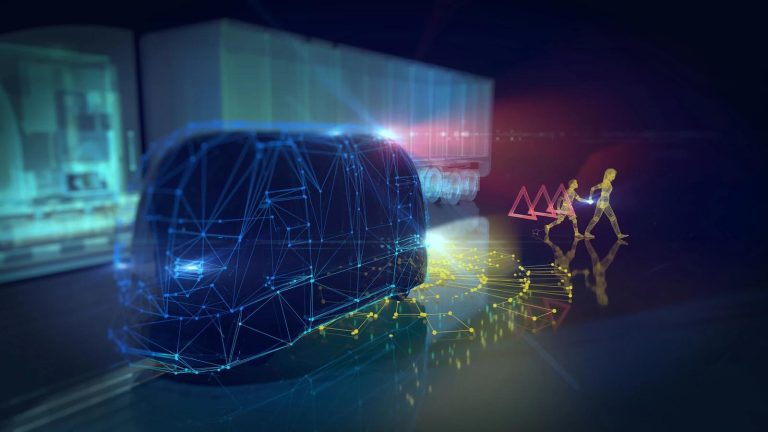
AV technology, driven by advanced computing, artificial intelligence, machine learning and faster communication networks, offers substantial economic benefits. In the US alone, it is estimated that it could annually save more than $750 billion by reducing vehicle crashes and optimizing travel time.

Autonomous air mobility has similar potential, enhancing safety, efficiency, and air traffic management, with wide-reaching impacts on aviation, logistics, urban transport, healthcare and agriculture.

There are also risks, including cybersecurity, unemployment, skills gaps and infrastructure challenges. However, the central concern in adopting autonomous mobility technology is public safety.

Safety vital for autonomous mobility development

Demonstrating safety and responsible development is crucial and a key focus of the World Economic Forum’s Global Future Council on the Future of Autonomous Mobility, with active participation from Saudi Arabia.

To support the adoption of these new mobility systems in both passenger and logistics sectors, the National Transport and Logistics Strategy (NTLS) has been put in place, in line with the country’s Saudi Vision 2030.

This strategic move has been further reinforced by the Transportation General Authority’s (TGA) sector-specific strategy for land transport. This sets ambitious targets which aim to transition 25% of goods transport vehicles into autonomous vehicles by the year 2030.

TGA efforts align with other parts of the government, including the Ministry of Transport and Logistic Services, the Ministry of Municipal and Rural Affairs and Housing, the Ministry of Communications and Information Technology, the Saudi Authority for Data and Artificial Intelligence.

Saudi Arabia’s experience shows that safe and responsible adoption of autonomous mobility hinges on a combination of three factors. These are:

1. Enabling innovation with safety and transparency

Currently, the Centre for the Fourth Industrial Revolution (C4IR) in Saudi Arabia is exploring the use of ‘regulatory framework’ governance models to ensure the safety of this autonomous mobility technologies.

Innovation in this space can greatly benefit from such models as they could potentially result in increased safety assurance and fewer obstacles to innovation adoption. A regulatory sandbox provides exemptions from existing regulations, but with strict limitation in scope and duration requirements to disclose data.

For example, the US state of California has granted on-road state testing permits to more that 65 companies, one of which being NURO. These waivers require that only basic information is reported to regulators on the frequency of “disengagements”.

This low level reporting, some argue, is not sufficient to evaluate the safety of AVs, and will likely not support a regulatory agency’s work to establish safety standards given the short timespan required for the mass adoption of AVs.

2. Fostering inter-agency collaboration

Collaboration between governmental, private, local and international organizations, as well as research institutions, is vital for the advancement and development of autonomous mobility technologies.

For example, the TGA is leading a national level Future of Mobility Committee, headed by the Vice Minister of Transportation and Logistics Services (MotLS), that is composed of 10 government stakeholders, aims to align the strategies, initiatives and projects owned by the stakeholders and develop a national master plan and incentives for future of mobility.

C4IR Saudi Arabia is teaming up with various organizations, including TGA, MoTLS, King Abdullah University for Science and Technology (KAUST) and the Royal Commission for Al Alu (RCU) to ensure a unified approach to autonomous mobility in the country, and to advance regulation, testing and validation of autonomous mobility solutions.

This effort is supported by a memorandum of understanding signed between C4IR KSA and MoTLS on October 9. These organizations will jointly participate in an upcoming workshop led by C4IR Saudi Arabia, which aims to create responsible policies for autonomous systems in the country, covering ground and air mobility.

Several other collaborations are also taking place. For example, NEOM, in collaboration with Volocopter and Saudi Arabia’s General Authority of Civil Aviation (GACA), is actively working towards preparing and expanding electric vertical take-off and landing (eVTOL) aircraft operations within Saudi Arabia.

This collaboration includes the establishment of an airtaxi testbed within the NEOM area to facilitate the development and growth of eVTOL technology in the country. This represents significant progress toward the adoption and future commercial operation of eVTOL aircraft in the NEOM special economic zone and neighbouring regions.

3. Intermodal learning

C4IR Saudi Arabia’s autonomous mobility portfolio comprises two main tracks: one centred around autonomous vehicles and the other dedicated to heavy lift drones. While these modes have unique characteristics and demands, there is a valuable need for a cohesive framework.

Additionally, the TGA, as it pursues its mission of safe and responsible adoption of autonomous technology, also encompasses autonomous sea mobility.

The Global Future Council on the Future of Autonomous Mobility addresses various modes, promoting the exchange of best practices and synergies among them.

In the realm of autonomous air mobility, Saudi Arabia is concentrating on advancing heavy lift drones and assisting stakeholders in defining the regulatory and operational prerequisites essential for positioning the Kingdom as a pioneer in autonomous cargo aircraft.

It’s important to note that autonomous mobility encompasses deployments on roads, in the air, and at sea. Just like the Global Future Council on Autonomous Mobility, Saudi Arabia aims to emphasize the importance of cross-mode knowledge-sharing.

Whilst the country is in the early stages of its journey, it is steadfastly progressing in the right direction on autonomous mobility. It is also committed to ensuring that efforts and activities remain aligned and well-coordinated, through collaborative efforts, allowing successful achievement of its goals and targets.

By: Omaimah Bamasag (Deputy, Transportation Enablement, Transport General Authority – Kingdom of Saudi Arabia), Basma AlBuhairan (Managing Director, Centre for the Fourth Industrial Revolution Saudi Arabia) and Waleed Gowharji (Project Fellow, Autonomous Vehicles, World Economic Forum)
Originally published at: World Economic Forum
Join NASA to Discuss High-Rate Laser Comms Demo, Space Station Science

0

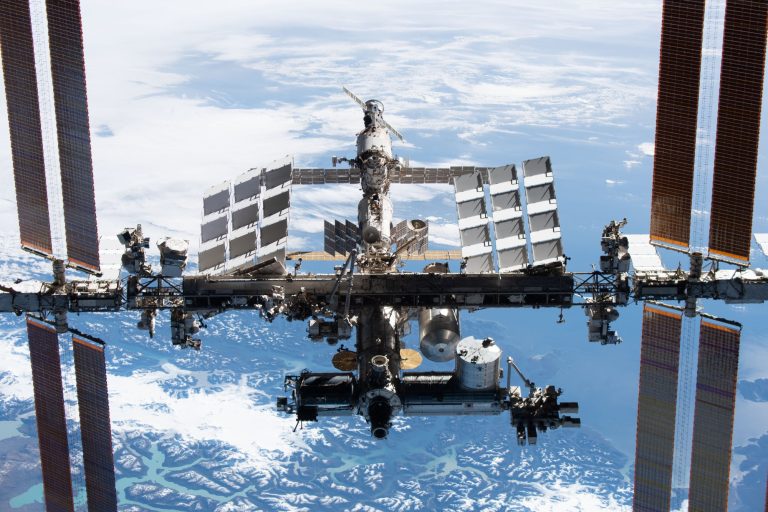
ESA / NASA / Thomas Pesquet

NASA will host a media teleconference at 11 a.m. EDT Thursday, Oct. 26, to discuss a laser communications system and new research to understand the interactions between weather on Earth and in space. The investigations are two of many research and technology experiments bound for the International Space Station next month aboard the agency’s SpaceX 29th commercial resupply services mission.

Audio of the media call will stream live at: https://www.nasa.gov/nasatv

Launch is targeted for no earlier than 10:01 p.m. EST Sunday, Nov. 5. The SpaceX Dragon spacecraft, carried on the company’s Falcon 9 rocket, will lift off from Launch Complex 39A at NASA’s Kennedy Space Center in Florida.

The mission will carry scientific research, technology demonstrations, crew supplies, and hardware to the space station to support its Expedition 70 crew, including NASA’s Integrated Laser Communications Relay Demonstration Low Earth Orbit User Modem and Amplifier Terminal (ILLUMA-T) and Atmospheric Waves Experiment (AWE).

To ask questions during the teleconference, media must RSVP no later than two hours before the event to Claire O’Shea at claire.a.o’[email protected]. NASA’s media accreditation policy is available online. The public can submit questions on social media using #AskNASA.

David Brady, associate program scientist for the International Space Station Program at NASA’s Johnson Space Center in Houston, will provide an overview of the research and technology launching aboard the Dragon spacecraft.

Other teleconference participants include:

  • Dr. Jason Mitchell, director for the Advanced Communications and Navigation Technologies Division in the Space Communication and Navigation (SCaN) Program, Space Operations Mission Directorate at NASA Headquarters in Washington
  • Glenn Jackson, acting project manager for ILLUMA-T, NASA’s Goddard Space Flight Center in Greenbelt, Maryland
  • David Cheney, program executive for the Heliophysics Science Division, Science Mission Directorate, NASA Headquarters
  • Jeff Forbes, deputy principal investigator for AWE, University of Colorado, Boulder

Once installed on the station’s exterior, ILLUMA-T aims to test high data rate laser communications from the space station to the agency’s Laser Communications Relay Demonstration in geosynchronous orbit, which will relay the data to Earth. The system uses invisible infrared light to send and receive information at higher data rates than traditional radio frequency systems. Working together, ILLUMA-T and the Laser Communications Relay Demonstration will complete NASA’s first two-way laser communications relay system.

Also installed on the station’s exterior, AWE will use an infrared imaging instrument to measure the characteristics, distribution, and movement of atmospheric gravity waves, which roll through the Earth’s atmosphere when air is disturbed. Researchers also will look at how atmospheric gravity waves contribute to space weather, which affects space-based and ground-based communications, navigation, and tracking systems. Increased insight into atmospheric gravity waves could improve understanding of Earth’s atmosphere, weather, and climate and development of ways to mitigate the effects of space weather. 

Goddard manages ILLUMA-T in partnership with Johnson and the Massachusetts Institute of Technology Lincoln Laboratory for SCaN. As a Mission of Opportunity, AWE is under NASA’s Heliophysics Explorers Program. The program is managed by Goddard for the agency’s Science Mission Directorate.

The International Space Station continues to advance scientific knowledge in Earth, space, physical, and biological sciences for the benefit of people living on our home planet. The station also is the world’s leading laboratory where researchers conduct cutting-edge research and technology development that will enable human and robotic exploration of destinations beyond low Earth orbit, including the Moon and Mars.  

Learn more about the space station, including research and technology at:

https://www.nasa.gov/station

-end-

News Media Contacts

Julian Coltre / Lora Bleacher
Headquarters, Washington
202-358-1100
[email protected] / [email protected]

Stephanie Plucinsky
Kennedy Space Center, Fla.
321-876-2468
[email protected]

Sandra Jones
Johnson Space Center, Houston
281-483-5111
[email protected]

By: Claire A. O’Shea
Originally published at: NASA

Blue Origin Unveils Multi-Mission, Multi-Orbit Space Mobility Platform

0

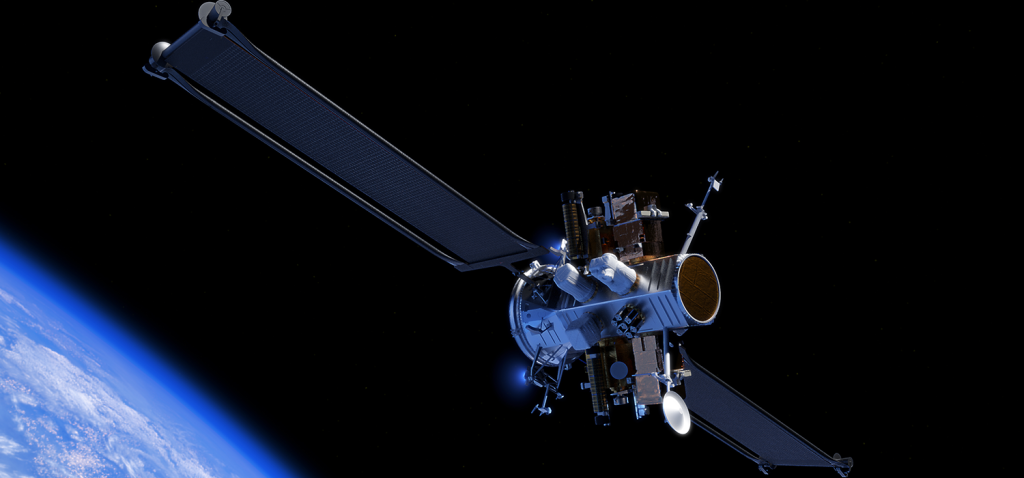
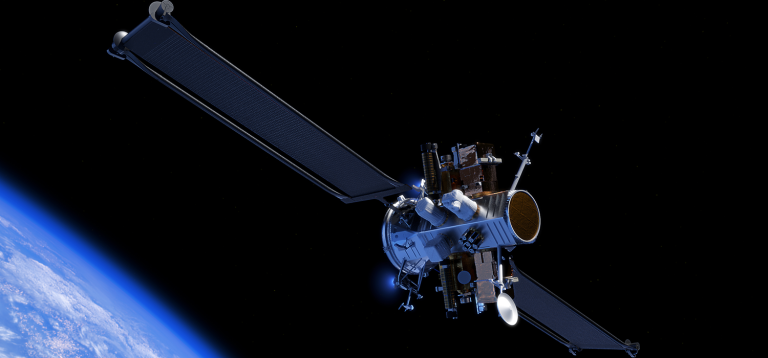
Expanding upon its mission to build a road to space for the benefit of Earth, Blue Origin has unveiled Blue Ring, a spacecraft platform focused on providing in-space logistics and delivery.

Blue Ring serves commercial and government customers and can support a variety of missions in medium Earth orbit out to the cislunar region and beyond. The platform provides end-to-end services that span hosting, transportation, refueling, data relay, and logistics, including an “in-space” cloud computing capability. Blue Ring can host payloads of more than 3,000 kg and provides unprecedented delta-V capabilities and mission flexibility.

“Blue Ring addresses two of the most difficult challenges in spaceflight today: growing space infrastructure and increasing mobility on-orbit,” said Paul Ebertz, Senior Vice President of Blue Origin’s In-Space Systems. “We’re offering our customers the ability to easily access and maneuver through a variety of orbits cost-effectively while having access to critical data to ensure a successful mission,” Ebertz added.

Blue Ring is part of a newly formed Blue Origin business unit called In-Space Systems.

A Blue Ring rendering in space (image not to scale).

Originally published at: Blue Origin

Launching to a Metal-Rich Asteroid

0

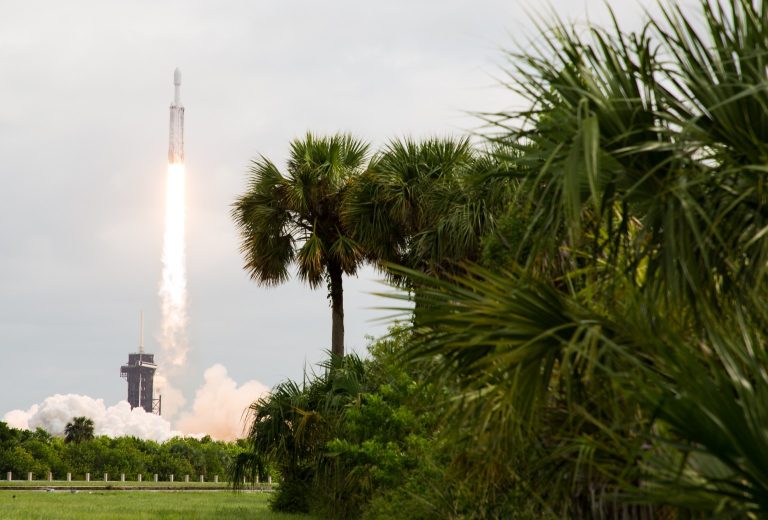
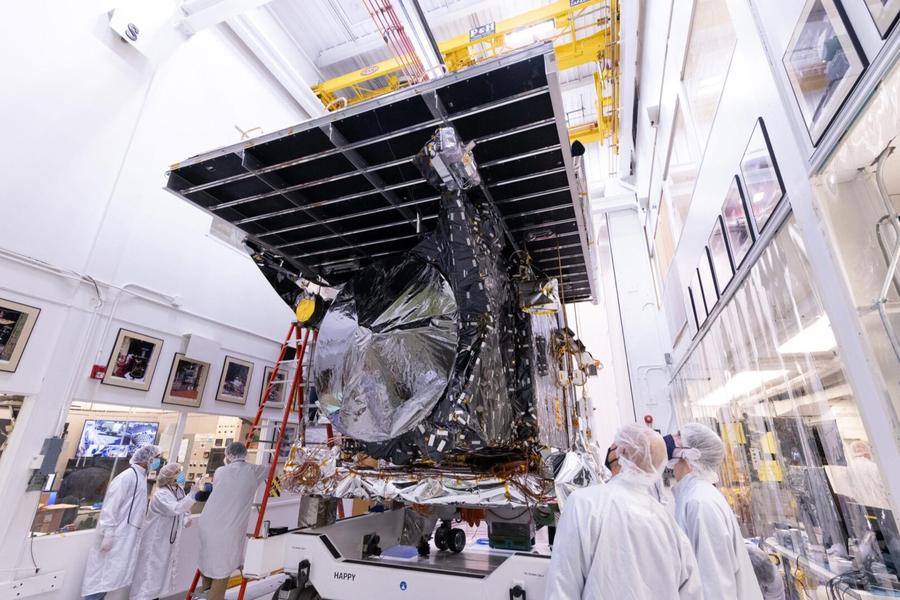
NASA’s Psyche spacecraft launched aboard a SpaceX Falcon Heavy rocket on Friday, Oct. 13, 2023, from NASA’s Kennedy Space Center in Florida. This image captures the beginning of the spacecraft’s journey to a metal-rich asteroid of the same name.

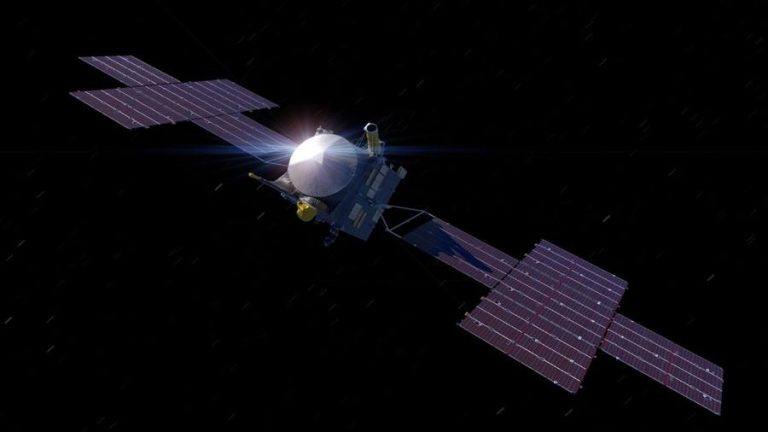
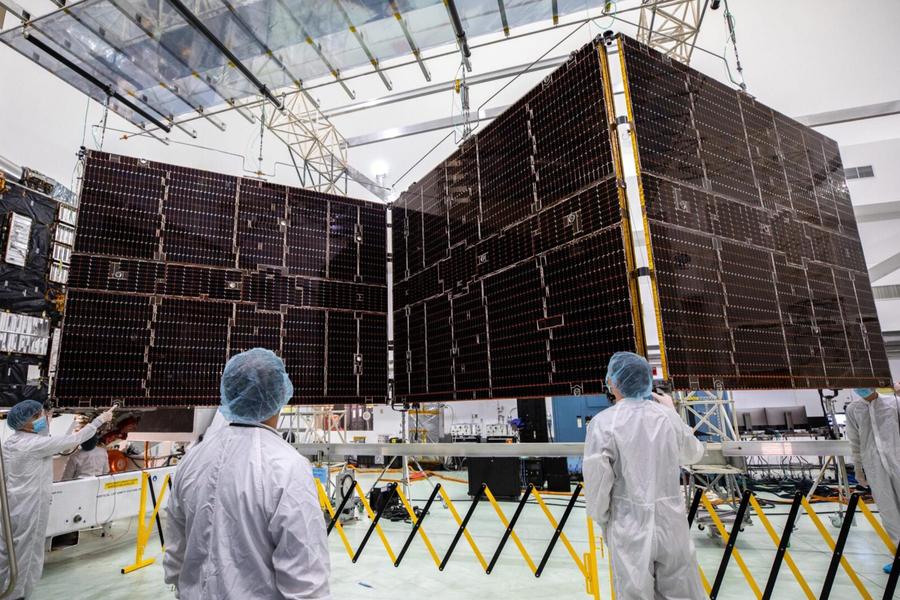
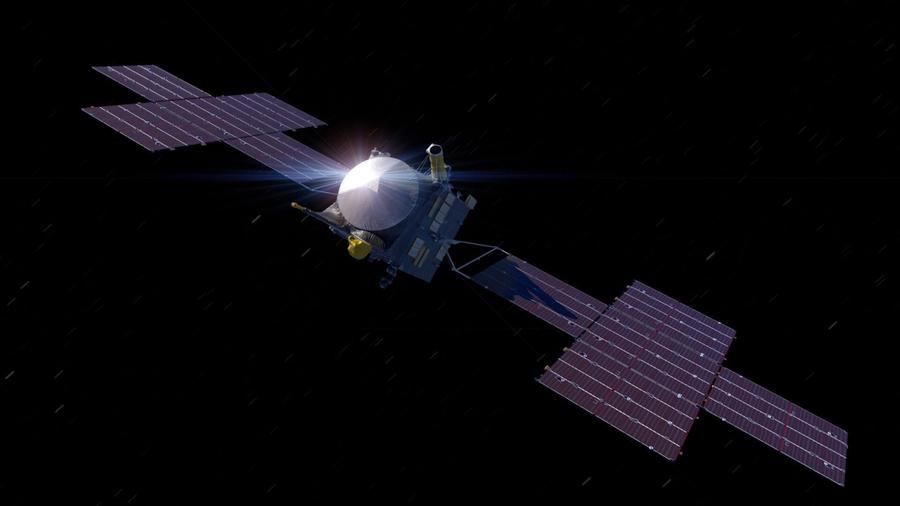
The body of the Psyche spacecraft is about the size of a small van, and it’s powered by solar electric propulsion. It has a magnetometer, a gamma-ray and neutron spectrometer, and a multispectral imager to study asteroid Psyche’s composition. The spacecraft will start sending images to Earth as soon as it spots the asteroid.

Image Credit: NASA/Aubrey Gemignani

By: Monika Luabeya
Originally published at: NASA

NEOM Announces Leyja, Its Latest Sustainable Tourism Destination

0

NEOM, Kingdom of Saudi Arabia, October 15, 2023 – The Board of Directors of NEOM, the sustainable regional development taking shape in northwest Saudi Arabia, today announced Leyja, its latest tourism destination, further strengthening and enriching the Kingdom’s ecotourism offering.

Located in NEOM and steeped in history and mythology, Leyja starts from the Gulf of Aqaba coast and its alluring waters in the west, then winds inland to form a magnificent natural valley carved between 400m-high mountains that have been crafted over long centuries by the power of nature and water.

Leyja builds on NEOM’s ongoing commitment to becoming a multi-faceted destination and supports the Kingdom’s efforts to build a strong and sustainable tourism industry under Saudi Vision 2030. Aligned with NEOM’s strategy to designate the majority of its land across its destinations and cities as a nature reserve, 95% of Leyja will be preserved for nature and will combine innovative, ecological design and construction techniques to ensure the development seamlessly blends into the landscape.

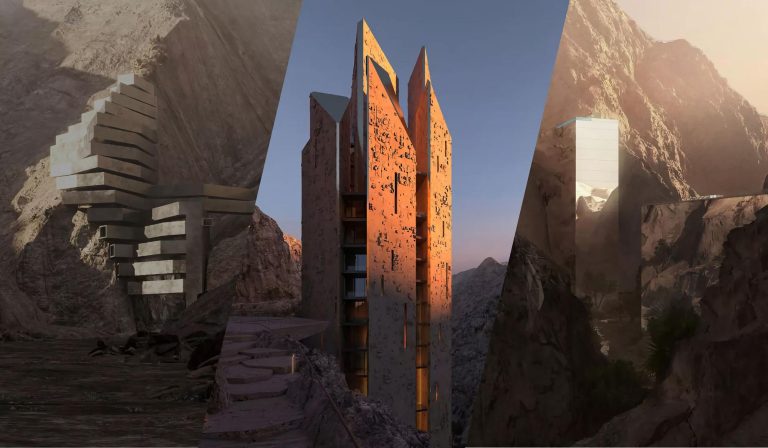
Leyja’s three hotels have been intelligently and sensitively designed by world-leading architects to complement the surrounding nature, operate sustainably, and provide distinct experiences. The three properties will offer 120 elegant boutique rooms and suites, split equally with 40 keys at each.

The first property is tailor-made for active adventure. The deconstructed design ascends the walls of the wadi like a staircase, its structure effortlessly tracing the topography with minimal disturbance of the terrain’s natural lines. Its unique location, folded into the cliff top and valley sides, lends itself to those seeking rock climbing and other high-octane experiences in the surrounding area.

The second property rises from the rock to sit prominently at the heart of the wadi’s largest oasis, functioning as an enchanting gateway to discovery and exploration of the valley that continues beyond. The impressive staircase ascending from the canyon to the entrance of the property is a journey of discovery, offering unrivalled views of the valley in all its beauty.

The third property is an immersive wellness retreat that promotes longevity, with a high-tech, reflective façade mirroring the surrounding beauty and valley walls. This allows the wadi’s natural passage through the property’s center, providing visitors with a unique and interactive experience.

Once developed, Leyja will offer an extensive selection of refined experiences and activities, including fine dining and contemporary restaurants presented by world-renowned chefs. Wellness facilities and rooftop infinity-style pools across the three properties are also key features. Extensive guided wadi walks, and enthralling hiking trails set in the valley’s dramatic mountain landscapes await guests, with mountain biking and climbing on offer for those looking for adventure.

Leyja is NEOM’s latest development and follows the announcement of the project’s flagship regions, including Sindalah, its luxury island; THE LINE, a cognitive linear city that represents the future of urban living; Trojena, its year-round mountain destination and the first outdoor ski experience in the GCC region; and Oxagon, the reimagined industrial city and home to advanced and clean industries in NEOM.

For further information on Leyja, please visit the website.

Finest 7 Costumes For Halloween To Become A Disney Princess

0

If you’re child is a fan of Disney, then it is most likely that she have seen one or more of these in a movie. The dream to become a Disney princess why not make it true. Gift your child with a selection from these different complete costumes.

01. Belle from Beauty and the Beast

Belle

This beautiful dress comes with a gloves, crown, necklace, earring and staff.

02. Snow White

Snow White

“Get ready for some cozy snow-time fun with sisters Elsa and Anna in this cute princess-dress nightgown. Let your dreams take you on exciting adventures through Arendelle! Officially licensed Disney product.”

03. Elsa from Frozen

Elsa

Become the frosty princess in this cool blue dress. Same with the Bell costume, it has gloves, crown, necklace, and staff. But with an additional hair extension.

04. Ariel from Little Mermaid

Ariel

Don’t be worry, you can walk in this princess Ariel costume. It’s actually a dress with complete accessory to become the mermaid princess.

05. Mulan

Mulan

“Stunning Chinese traditional outfit princess dress up costume inspired by legendary folk heroine. 3 pieces set include Hanfu style top + Skirt + Belt.”

This mulan dress has the option to choose from the animated or the live action movie.

06. Moana

Moana

Release the adventurer spirt with this Moana costume. 

“This iconic 2 piece outfit features unique prints and the skirt to match.”

07. Jasmine from Aladdin

Jasmine

“This Two-Piece outfit set includes a beautiful off shoulder belly dance crop top, a pant with elastic band and a Jasmine wig for kids. Girls blue classic princess dress up costume outfit. Put you in the world of role play”


“Get the most out of your shopping with an Amazon Prime membership! Sign up now to enjoy free one-day delivery, unlimited streaming, exclusive deals, membership perks and more. Sign up today to enjoy a 30-day free trial and if you’re a student enjoy up to 6 months free trial. Click here to signup now! 👉 https://amzn.to/46Jm3AX”

With Psyche, A Journey To An Ancient Asteroid Is Set To Begin

0

The NASA mission, a project with deep roots at MIT, is setting course for a metallic space rock that could be the remnant of a planetary core like our own.

Jennifer Chu | MIT News
MIT News (https://news.mit.edu/2023/psyche-journey-ancient-asteroid-begins-1011)

If all goes well, a NASA mission with extensive connections to MIT will soon be headed to a metal world.

Psyche, a van-sized spacecraft with winglike solar panels, is scheduled to blast off aboard a SpaceX Falcon Heavy rocket tomorrow at 10:16 a.m. Eastern Time. Psyche’s destination is a potato-shaped asteroid by the same name that orbits the sun within the main asteroid belt between Mars and Jupiter.

Astronomers suspect that the asteroid Psyche, which is about the size of Massachusetts, is made mostly of metal. If that’s the case, the asteroid could be the exposed core of an early, infant planet that might hold clues to how the Earth’s own metal-rich core formed.

“It’s a puzzle. And you have to not only figure out how the pieces fit together, but you have to figure out what the pieces are,” says MIT Research Scientist Jodie Ream, who helped in the magnetometer’s design.

After it launches from NASA’s Kennedy Space Center, the Psyche mission will embark on a six-year interplanetary journey. In 2026, the spacecraft will approach Mars, where the planet’s gravitational pull will slingshot the spacecraft out to the asteroid. The mission will arrive at Psyche sometime in 2029, where it will spend another 26 months orbiting and surveying the space rock, analyzing its surface composition, mapping its gravity, and measuring any magnetic field that it might possess.

Scientists at MIT are leading Psyche’s magnetic field and gravity studies. And, the mission as a whole has a history that traces back to MIT. Psyche’s principal investigator is MIT alumna and former professor Lindy Elkins-Tanton ’87, SM ’87, PhD ’02, now a professor at Arizona State University, while its deputy principal investigator is Benjamin Weiss, an MIT professor of planetary science. In her role as mission PI, Elkins-Tanton, who is also vice president of the ASU Interplanetary Initiative, is leading a team including longtime MIT colleagues on the first mission to a metal world.

“Being able to undertake fundamental exploration of a new kind of world is a thrill and a privilege beyond anything I had envisioned for my life,” Elkins-Tanton says. “But the best part of it is helping to create and support a huge team of people who are all on this journey together.”

A magnetic moment

Scientists have hypothesized that Psyche may represent a case of planetary arrested development. While Earth and other rocky planets continued to accumulate material around their metal-rich cores some 4.5 billion years ago, Psyche may have met an untimely end, sustaining multiple collisions that blew off its rocky surface, leaving behind a naked metallic core. That core, scientists believe, could retain the elements that also formed Earth’s center.

“This will be the first time we’ve sent a mission to a body that is not mostly rock or ice, but metal,” Weiss says. “Not only is this asteroid potentially a metal world, but asteroids are building blocks of planets. So Psyche could tell us something about how planets formed.”

The seeds of a mission to explore an asteroid like Psyche were planted during a chance conversation between Weiss and Elkins-Tanton in 2010 at MIT. At the time, Elkins-Tanton was a professor in MIT’s Department of Earth, Atmospheric and Planetary Sciences, and had just finished teaching for the day.

“As she was passing by my office, I said, ‘Hey, do you have a minute?’” Weiss recalls.

Weiss was studying samples of Allende, a meteorite that fell to Earth in 1969 as a shower of fragments. The samples appeared to be magnetized, but also curiously unmelted. Weiss wondered how such a body could have become magnetized without any sign of the melting and churning that typically produces magnetic fields in space. 

Having just lectured on the topic of melting cores and planet formation, Elkins-Tanton offered an idea: When a planet first forms, it is little more than an accumulation of unmelted rock and dust. As more material smashes into the infant planet, the collisions jostle the innermost regions, producing a melted, churning core, surrounded by unmelted material. The molten, swirling core could spin up a magnetic field, that could imprint upon a planet’s outer, unmelted layers.

Perhaps, the two realized, Allende’s magnetized, unmelted fragments came from the outer layer of a planetismal, or early planet, that harbored a melted, magnetic core. If that were the case, then perhaps other meteorite fragments are also remnants of early, differentiated planets. 

“Hearing Ben talk about his shocking discovery of magnetism in the Allende meteorite, and then immediately having a mental model of the physics and chemistry of formation that could have led to that, was just a moment of pure joy,” Elkins-Tanton says of their realization.

She and Weiss wrote up their ideas in two 2011 papers. Then, the engineers came knocking.

“Lindy got a call from JPL (NASA’s Jet Propulsion Laboratory),” Weiss says. “They’d read the paper and said, ‘This is really cool. Is there a way you could test this idea, that you could partially melt bodies, and magnetize meteorites?’”

The call set off a series of brainstorming back-and-forths that eventually developed into a mission concept: to send a spacecraft to explore an ancient planetary core. The asteroid Psyche, they realized, was their best shot, as it’s relatively close to Earth and has shown signs of metal-rich, core-like content.

An asteroid’s field

In 2017, the team’s proposal for a mission to Psyche was greenlit as part of NASA’s Discovery Program. Elkins-Tanton, who had since moved to ASU, became head of the mission, while Weiss; Maria Zuber, MIT’s E.A. Griswold Professor of Geophysics and vice president for research; and others at MIT joined the mission’s science team. Together, the scientists and engineers at JPL planned out the hardware that a spacecraft would need in order to determine whether Psyche is a metal-rich core.

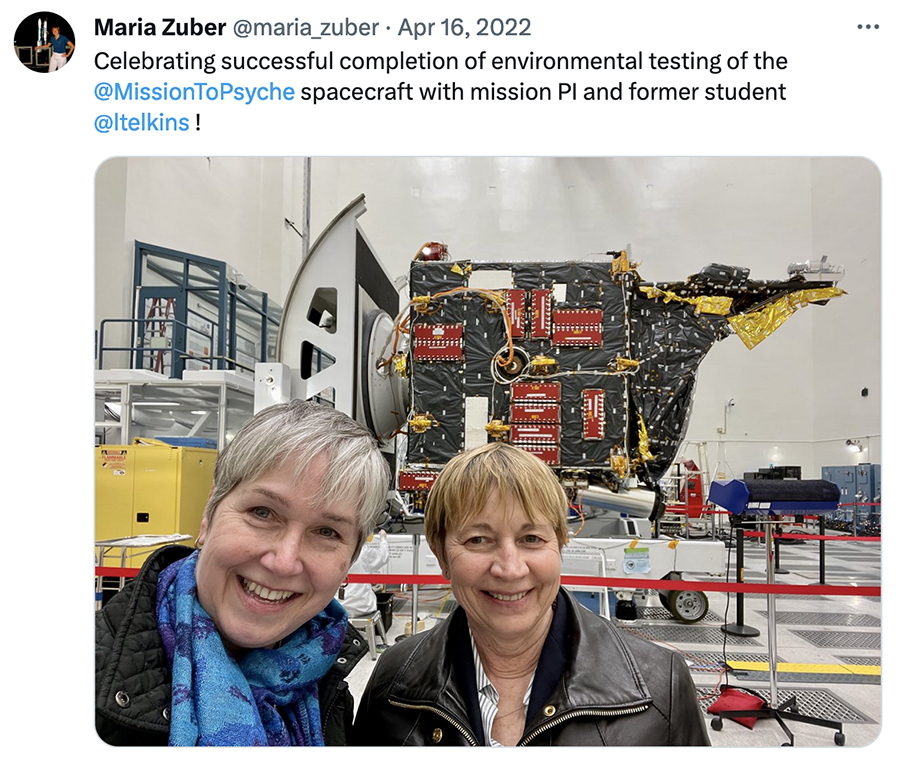
Psyche principal investigator Lindy Elkins-Tanton ’87, SM ’87, PhD ’02 (left) poses with Psyche science team member Maria Zuber, MIT’s vice president for research and a professor of geophysics.

They decided on three instruments: a magnetometer that will look for signs of an ancient magnetic field that could be imprinted in Psyche’s surface layers; a pair of cameras that will take images and spot any visual signs of metal on Psyche’s surface; and a gamma-ray and neutron spectrometer that will measure the asteroid’s emissions of neutrons and gamma rays. These measurements can tell scientists whether and which metallic elements lie on its surface.

The spacecraft will also carry a communications system, which will mainly be used to send data and receive commands in the form of radio waves. A science team led by Zuber will also use the system to carry out a gravity study. The team will analyze the radio waves as the spacecraft orbits the asteroid, to see how they and the spacecraft are influenced by the asteroid’s gravitational pull. These analyses will help the scientists map Psyche’s gravity field, which can then determine the asteroid’s mass and how likely that mass is made of metal.

The magnetometer investigation is led by Weiss and involves others at MIT. The instrument was designed and built by researchers at the Technical University of Denmark. The team worked with JPL engineers to refine the magnetometer’s design, which consists of two sensors installed on an arm-like boom — a configuration that will help the instrument pick up any magnetic signal from the asteroid itself, amid the “noise” from the spacecraft, its solar panels, and its surroundings.

NASA’s Psyche team will measure the asteroid’s magnetic field using a magnetometer. This instrument is composed of two identical high-sensitivity magnetic field sensors located at the middle and outer end of a 6-foot (2-meter) boom on the spacecraft. The magnetometer team is based at MIT and Technical University of Denmark.
Video: NASA

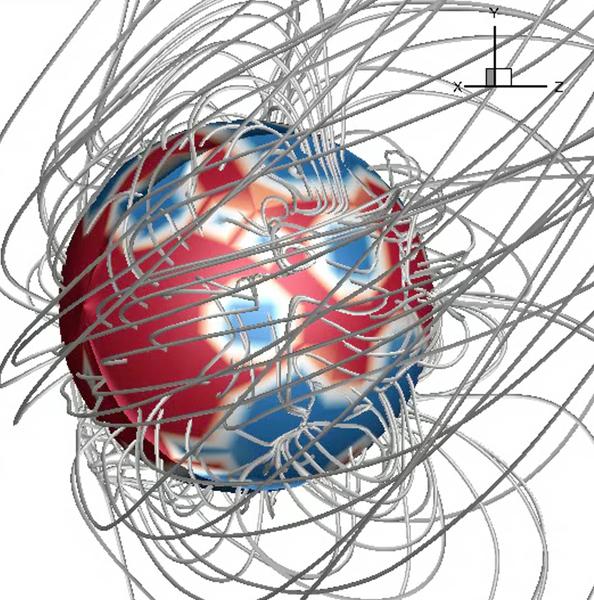
To interpret whatever magnetic field the magnetometer does pick up from Psyche, the MIT team has developed a “library” of simulated magnetic field patterns.

“Space is filled with magnetic fields coming from planets, our own sun, and the solar wind,” says MIT Research Scientist Rona Oran. “Our simulation library will allow us to examine different scenarios, so that when we get to Psyche, we’ll use those tools to derive the asteroid’s actual, real field.”

In fact, the team will have many chances to refine the library, and their understanding of the magnetic fields around the spacecraft, as it makes its way to the asteroid. Soon after Psyche launches, engineers will turn on the magnetometer, which will then continuously measure the magnetic fields around the spacecraft, throughout its journey. These data will regularly downlink to JPL and be transmited to two data processing centers at MIT, where Oran, Weiss, and others will use the data to hone their understanding of what they might find around the asteroid itself.

“This is the first time our group has led a science investigation on a spacecraft,” Weiss says. “Once the mission launches, we’re on the hotseat to run this. It’s a big responsibility, and also incredibly exciting.”

Reprinted with permission of MIT News (http://news.mit.edu/)

Source: cyberpogo.com

$15.3M Awarded To California-Pacific-Northwest AI Hardware Hub By The DOD Microelectronics Commons

0

Stanford will co-lead one of eight new Microelectronics Commons regional innovation hubs in an effort to accelerate new semiconductor technologies.

Stanford University, along with the University of California, Berkeley, will lead the California-Pacific-Northwest AI Hardware Microelectronics Commons Hub (Northwest AI Hub), one of eight Microelectronics Commons regional innovation hubs awarded by the U.S. Department of Defense (DOD). The Northwest AI Hub will receive $15.3 million in funding this year, part of a total package of $238 million awarded to all eight innovation hubs across the country.

The Northwest AI Hub, which includes more than 40 members from academia, government laboratories, and industry, will receive $15.3 million in funding this year. (Image credit: iStock/BlackJack3D)

The hub awards, the largest to date under the CHIPS and Science Act, were announced in September by Deputy Secretary of Defense Kathleen Hicks.

The Northwest AI Hub leadership includes H.-S. Philip Wong, professor of electrical engineering, and Subhasish Mitra, professor of electrical engineering and of computer science, both at Stanford University’s School of Engineering; and from UC Berkeley, Tsu-Jae King Liu, dean of the College of Engineering and professor of electrical engineering and computer sciences, and Sayeef Salahuddin, professor of electrical engineering and computer sciences. The hub includes more than 40 other members from academia, government laboratories, and industry.

“Northern California and the Pacific Northwest are hotbeds of artificial intelligence hardware research and development advances,” says Wong, the Willard R. and Inez Kerr Bell Professor in the School of Engineering at Stanford University and director of the Stanford Nanofabrication Facility. “Our Hub partners cover the entire value chain of semiconductors, from materials, devices, to exploratory data analysis and chip design, packaging, as well as system prototyping and testing. Additionally, Stanford’s shared nanofabrication facilities will be a valuable resource to the Microelectronics Commons both for advancing technologies that have broad societal impact and for developing STEM talents.”

“The Microelectronics Commons network of prototyping facilities is a major investment by the U.S. Department of Defense to accelerate the lab-to-fab transition of new semiconductor technologies,” says Liu, the Roy. W. Carlson Professor of Engineering at UC Berkeley. “I’m excited to see the Berkeley NanoLab serve the nation as a facility for prototyping artificial intelligence hardware systems and workforce development, and Berkeley researchers collaborate with partners in academia and industry to tackle key challenges for advancing AI hardware technologies.”

Partner institutions of the Northwest AI Hub include:
Oregon State University (Lead PI: Tom Weller)
University of California, Davis (Lead PI: S. J. Ben Yoo)
University of Hawaii (Lead PI: Jeffrey Weldon)
University of Washington (Lead PI: Maria Huffman)
Western Digital Corporation (Lead PI: Tom Boone)

Super Halloween Costumes: For Kids!

0

In the past, Halloween costumes were mainly of Ghosts, Witch, Werewolf and Dracula. It just happened that it changed throughout the years. Now the range of theme and costumes extends up to comic books and super heroes. 

Let’s just say that Halloween has become one big excuse to wear costumes. Here are some that are popular to children.

01. Spider-Man from Marvel

This web-slinging hero is probably the most popular from Marvel. 

Spider-Man

02. The Incredible Hulk from Rubie’s

The Hulk looks menacingly in this costume.

Hulk

03. Iron Man from Rubie’s

With Spider-Man and Hulk, why not include Iron Man to include another member of the avenger. Perfect if you are aiming for Marvel super hero theme with your children.

Ironman

04. Batman from Rubie’s

“I’m Batman!” Need to say anything else? If your child is into DC super heroes, then batman is one of the most popular.

Batman

05. Mario from Oskiner

“It’s a me, a mario!” The well-loved plumber. A simple but well-known design.

Mario

06. Coco

A complete costume for Coco. This one is also perfect if you are going to use it for the “Day of the Dead”

Coco


“Get the most out of your shopping with an Amazon Prime membership! Sign up now to enjoy free one-day delivery, unlimited streaming, exclusive deals, membership perks and more. Sign up today to enjoy a 30-day free trial and if you’re a student enjoy up to 6 months free trial. Click here to signup now! 👉 https://amzn.to/46Jm3AX”

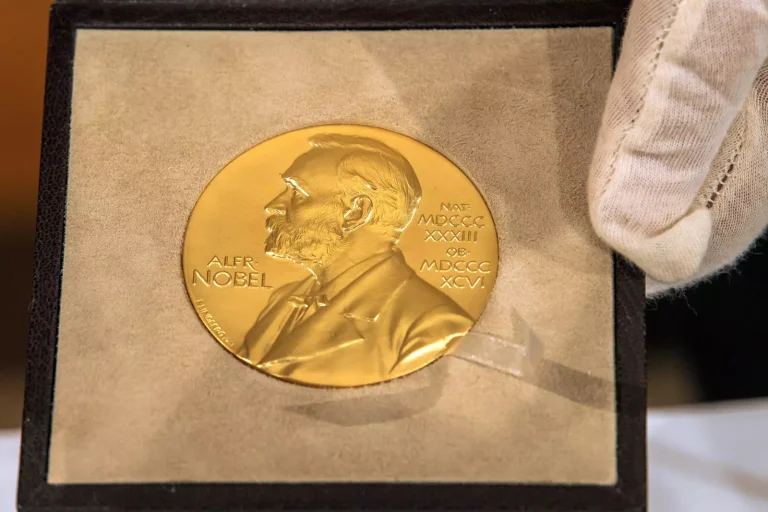
From mRNA To Electrons: Here’s Who Won Nobel Prizes In 2023

0

Image: REUTERS

  • The Nobel Prizes for 2023 are being announced between 2 and 9 October.
  • Scientific discoveries that led to the development of effective mRNA vaccines against COVID-19 were among the prize-winning efforts.
  • From medicine to literature, here’s what you need to know about the 6 awards this year.

In May 2023, the World Health Organization declared the end of COVID-19 as a global health emergency. The pandemic claimed more than 6.9 million lives in three years.

The speed with which vaccines against the virus were produced was unprecedented. At the time of writing, more than 13.5 billion doses of COVID-19 vaccines have been administered and more than 70% of the global population has received at least one dose.

Now two scientists whose research led to the development of the Pfizer-BioNTech and Moderna COVID-19 mRNA vaccines have been awarded the Nobel Prize for Medicine, the first laureates to be named this year.

Nobel Prize for Physiology or Medicine

Hungarian scientist Katalin Kariko and her US colleague Drew Weissman met in the queue for the photocopier in 1998 – and went on to work together.

In 2005, they overcame a major hurdle in the use of messenger RNA (mRNA) technology, developing “nucleoside base modifications”, which stop the immune system from launching an inflammatory attack lab-made mRNA.

“We couldn’t get people to notice RNA as something interesting,” Weissman said. “Pretty much everybody gave up on it.”

Kariko is a former senior vice president and head of RNA protein replacement at German biotech firm BioNTech, which developed an mRNA COVID-19 vaccine with Pfizer.

“The laureates contributed to the unprecedented rate of vaccine development during one of the greatest threats to human health in modern times,” said the Nobel Assembly of Sweden’s Karolinska Institute medical university.

What is a Messenger RNA vaccine? Image: Pfizer

0 seconds of 1 minute, 28 secondsVolume 90%

Nobel Prize for Physics

It may be possible to detect traces of disease more easily in future, thanks to the work of three scientists who were awarded the Nobel Prize for Physics.

Pierre Agostini, Ferenc Krausz and Anne L’Huillier literally shone light on the movement of electrons inside atoms and molecules, something previously thought impossible.

The trio created ultra-short pulses of light that can give a snapshot of changes within atoms, providing a tool that could help with the detection of disease molecules in blood samples.

“The ability to generate attosecond pulses of light has opened the door on a tiny, extremely tiny, time scale and it’s also opened the door to the world of electrons,” said Eva Olsson, from the Nobel Prize in Physics Selection Committee.

Nobel Prize for Chemistry

Three Nobel Laureates in Chemistry 2023 are also recognized for pioneering work on a tiny scale – in nanotechnology – creating particles so small their properties are determined by quantum phenomena.

In the 1980s, Alexei Ekimov achieved size-dependent quantum effects in coloured glass via copper chloride nanoparticles. Louis Brus later proved this in fluid-suspended particles, while in 1993, Moungi Bawendi improved quantum dot production for practical use.

Quantum dots, luminescent nanoparticles made of semiconducting materials, are now used in everything from computer monitors and TV screens to LED lamps and the latest techniques for mapping biological tissue.

“In terms of size, it has the same relationship to a football as a football has to the size of Earth,” explained the Royal Swedish Academy of Sciences in a recent X (formerly Twitter) post.

Nobel Prize for Literature

Jon Fosse, one of the world’s most performed playwrights, has been awarded the Nobel Prize in Literature.

The versatile Norwegian’s work includes everything from plays and novels, written in a pared-back minimalist style, to poetry collections, essays and children’s books.

There have been more than 1,000 different productions of his plays, while his work, written in “new Norwegian”, has been translated into 40 different languages.

Image: Twitter/@NobelPrize

Among them is the Septology series of three books: The Other Name (2019), I is Another (2020), and A New Name (2021).

Swedish Academy member Anders Olsson said Fosse’s work “touches on the deepest feelings that you have, anxieties, insecurities, questions of life and death … It has a sort of universal impact”.

Nobel Peace Prize

Imprisoned Iranian women’s rights activist Narges Mohammadi was awarded the Nobel Peace Prize on 6 October.

Mohammadi is currently serving multiple prison sentences in Tehran that add up to 12 years, for crimes including propaganda against the state.

She is the deputy head of the Defenders of Human Rights Center, an NGO led by Shirin Ebadi, who won the Peace Prize exactly 20 years ago.

Image: Twitter/@NobelPrize

Berit Reiss-Andersen, head of the Norwegian Nobel Committee, said: “This prize is first and foremost a recognition of the very important work of a whole movement in Iran, with its undisputed leader, Narges Mohammadi.”

The announcement comes a year after Mahsa Amini died in police custody for allegedly flouting the Islamic Republic’s dress code for women.

At the World Economic Forum’s Annual Meeting in Davos, Iranian-British actress Nazanin Boniadi joined a panel session Women’s Rights in Iran – What Next?

Boniadi spoke to Radio Davos about the female-led revolution in Iran, saying: “Iranian women have managed to galvanize Iranian society at large to understand the intersectionality of gender equality and any other basic human right.”

Nobel Economics Prize

This year’s Sveriges Riksbank Prize in Economic Sciences in Memory of Alfred Nobel has been awarded to Harvard Professor Claudia Goldin for “having advanced our understanding of women’s labour market outcomes”.

Goldin provided the first comprehensive account of earnings and labour market participation for women across the centuries, collecting more than 200 years of US data, explains the Nobel Prize. Her work has helped build an understanding of historical changes in the gender gap – but also the causes of the gaps that remain.

Image: Twitter/@NobelPrize

Her work showed that female labour market participation didn’t have an upwards trajectory across the period, but instead declined with the onset of the Industrial Revolution, before rising again as the modern services economy started to grow. She also offered explanations for the earnings gap that remains and the role of the contraceptive pill.

“Understanding women’s role in the labour is important for society. Thanks to Claudia Goldin’s groundbreaking research we now know much more about the underlying factors and which barriers may need to be addressed in the future,” says Jakob Svensson, Chair of the Committee for the Prize in Economic Sciences.

By: Kate Whiting (Senior Writer, Forum Agenda)
Originally published at: World Economic Forum