
Home Blog Page 2

NASA Testing Advances Space Nuclear Propulsion Capabilities

0

Written by Daniel Boyette

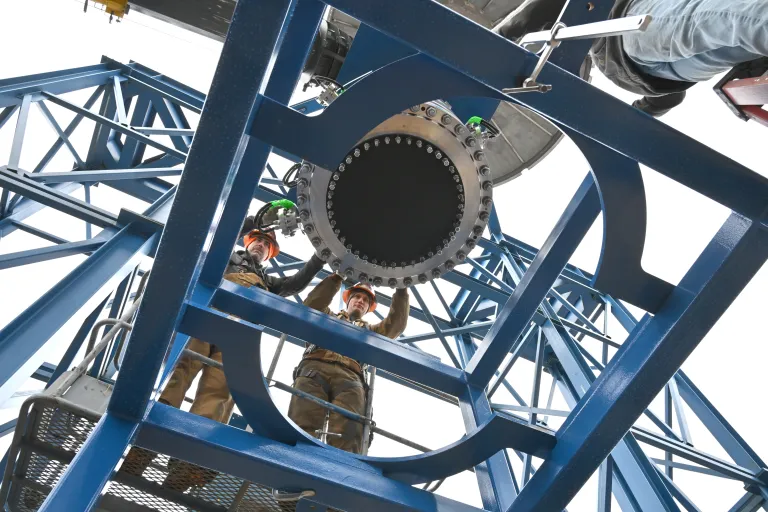
Nuclear propulsion and power technologies could unlock new frontiers in missions to the Moon, Mars, and beyond. NASA has reached an important milestone advancing nuclear propulsion that could benefit future deep space missions by completing a cold-flow test campaign of the first flight reactor engineering development unit since the 1960s.
“Nuclear propulsion has multiple benefits including speed and endurance that could enable complex deep space missions,” said Greg Stover acting associate administrator of NASA’s Space Technology Mission Directorate at NASA Headquarters in Washington. “By shortening travel times and expanding mission capabilities, this technology will lay the foundation to explore farther into our solar system than ever before. Information from the cold-flow test series is instrumental in understanding the operational characteristics and fluid flow performance of nuclear reactors.”

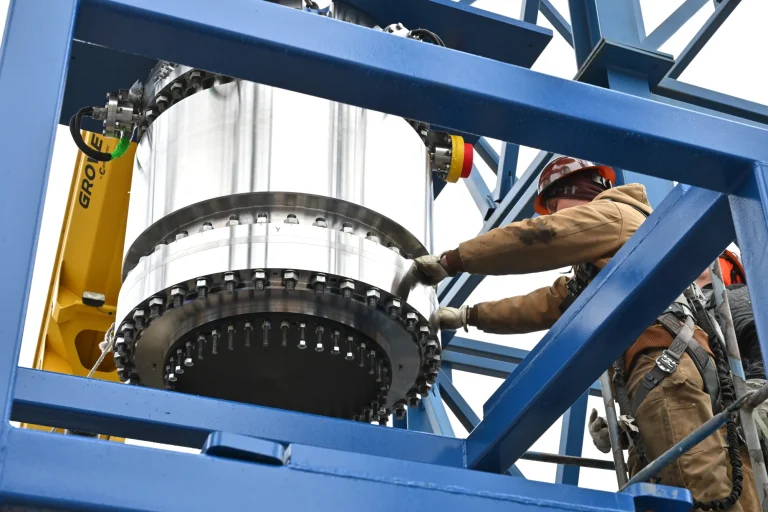
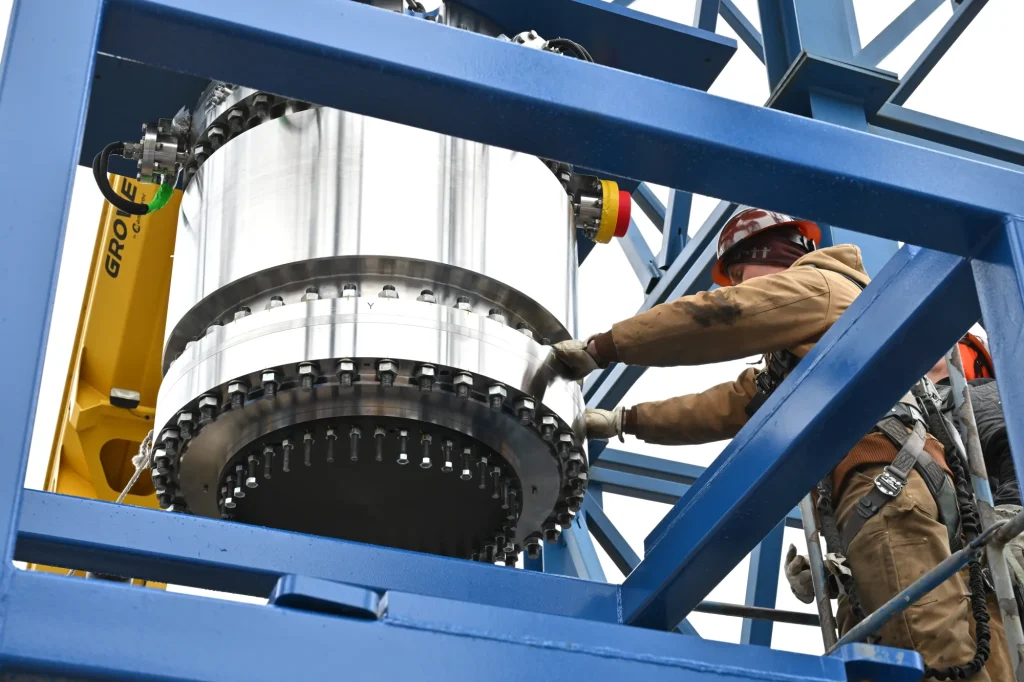
Teams at the agency’s Marshall Space Flight Center in Huntsville, Alabama, conducted more than 100 tests on  the engineering development unit over several months in 2025. The 44-inch by 72-inch unit, built by BWX Technologies of Richmond, Virginia, is a full-scale, non-nuclear, flight-like development test article the size of a 100-gallon drum that simulates propellant flow throughout the reactor across a range of operational conditions.

The cold-flow tests at NASA Marshall are the culmination of a multi-year activity for the agency and its industry partners. Key test objectives included simulating operational fluid-dynamic responses, gathering critical information for design of the flight instrumentation and control system, providing crucial validation of analytical tools, and serving as a pathfinder for manufacturing, assembly, and integration of near-term flight-capable nuclear propulsion systems.

Other benefits to space travel include increasing the science payload capacity and higher power for instrumentation and communication.

Test engineers were able to demonstrate that the reactor design is not susceptible to destructive flow-induced oscillations, vibrations or pressure waves that occur when a moving fluid interacts with a structure in a way that makes the system shake.

“We’re doing more than proving a new technology,” said Jason Turpin, manager of the Space Nuclear Propulsion Office at NASA Marshall. “This test series generated some of the most detailed flow responses for a flight-like space reactor design in more than 50 years and is a key steppingstone toward developing a flight-capable system. Each milestone brings us closer to expanding what’s possible for the future of human spaceflight, exploration, and science.”

The Space Nuclear Propulsion Office is part of NASA’s Technology Demonstration Missions Program within the agency’s Space Technology Mission Directorate.

Learn more about NASA’s technology advancements:

https://www.nasa.gov/space-technology-mission-directorate

News Media Contact

Joel Wallace
Marshall Space Flight Center, Huntsville, Alabama
256-544-0034
[email protected]

Originally published at: NASA
Polar weather on Jupiter and Saturn hints at the planets’ interior details

0

New research may explain the striking differences between the two planets’ polar vortex patterns.

Jennifer Chu | MIT News
https://news.mit.edu/2026/polar-weather-jupiter-saturn-hints-planets-interior-details-0119

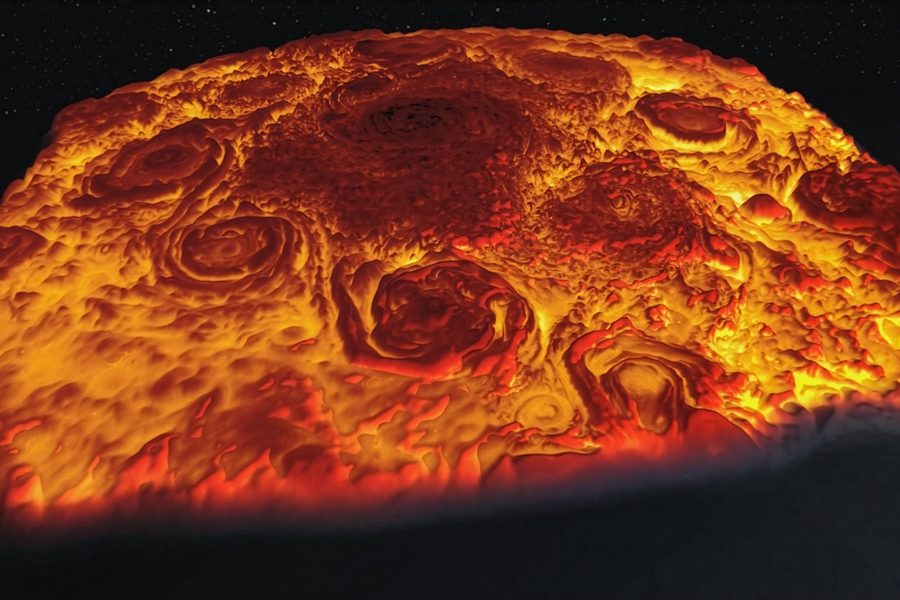
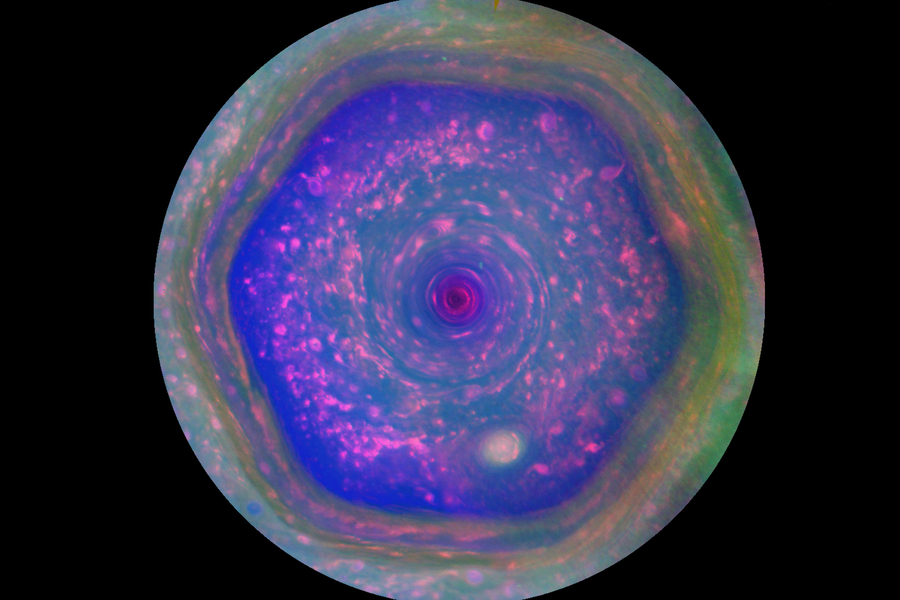
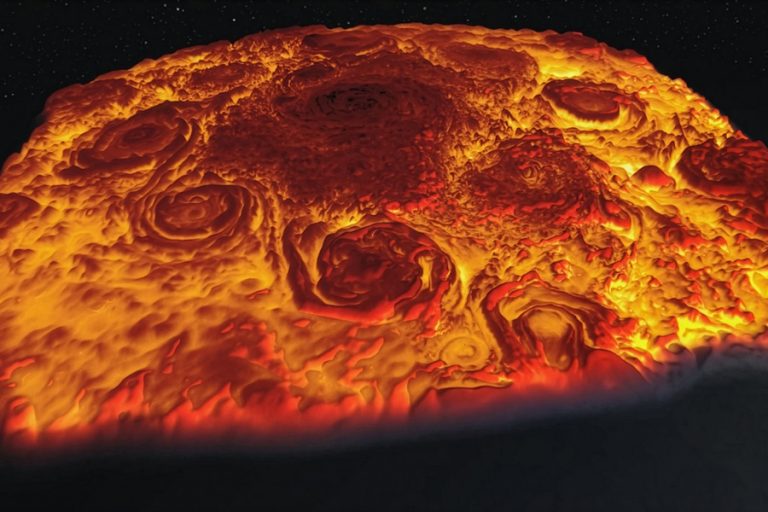
Over the years, passing spacecraft have observed mystifying weather patterns at the poles of Jupiter and Saturn. The two planets host very different types of polar vortices, which are huge atmospheric whirlpools that rotate over a planet’s polar region. On Saturn, a single massive polar vortex appears to cap the north pole in a curiously hexagonal shape, while on Jupiter, a central polar vortex is surrounded by eight smaller vortices, like a pan of swirling cinnamon rolls.

Given that both planets are similar in many ways — they are roughly the same size and made from the same gaseous elements — the stark difference in their polar weather patterns has been a longstanding mystery.

Now, MIT scientists have identified a possible explanation for how the two different systems may have evolved. Their findings could help scientists understand not only the planets’ surface weather patterns, but also what might lie beneath the clouds, deep within their interiors.

In a study appearing this week in the Proceedings of the National Academy of Sciences, the team simulates various ways in which well-organized vortex patterns may form out of random stimulations on a gas giant. A gas giant is a large planet that is made mostly of gaseous elements, such as Jupiter and Saturn. Among a wide range of plausible planetary configurations, the team found that, in some cases, the currents coalesced into a single large vortex, similar to Saturn’s pattern, whereas other simulations produced multiple large circulations, akin to Jupiter’s vortices.

After comparing simulations, the team found that vortex patterns, and whether a planet develops one or multiple polar vortices, comes down to one main property: the “softness” of a vortex’s base, which is related to the interior composition. The scientists liken an individual vortex to a whirling cylinder spinning through a planet’s many atmospheric layers. When the base of this swirling cylinder is made of softer, lighter materials, any vortex that evolves can only grow so large. The final pattern can then allow for multiple smaller vortices, similar to those on Jupiter. In contrast, if a vortex’s base is made of harder, denser stuff, it can grow much larger and subsequently engulf other vortices to form one single, massive vortex, akin to the monster cyclone on Saturn.

“Our study shows that, depending on the interior properties and the softness of the bottom of the vortex, this will influence the kind of fluid pattern you observe at the surface,” says study author Wanying Kang, assistant professor in MIT’s Department of Earth, Atmospheric and Planetary Sciences (EAPS). “I don’t think anyone’s made this connection between the surface fluid pattern and the interior properties of these planets. One possible scenario could be that Saturn has a harder bottom than Jupiter.”

The study’s first author is MIT graduate student Jiaru Shi.

Spinning up

Kang and Shi’s new work was inspired by images of Jupiter and Saturn that have been taken by the Juno and Cassini missions. NASA’s Juno spacecraft has been orbiting around Jupiter since 2016, and has captured stunning images of the planet’s north pole and its multiple swirling vortices. From these images, scientists have estimated that each of Jupiter’s vortices is immense, spanning about 3,000 miles across — almost half as wide as the Earth itself.

The Cassini spacecraft, prior to intentionally burning up in Saturn’s atmosphere in 2017, orbited the ringed planet for 13 years. Its observations of Saturn’s north pole recorded a single, hexagonal-shaped polar vortex, about 18,000 miles wide.

“People have spent a lot of time deciphering the differences between Jupiter and Saturn,” Shi says. “The planets are about the same size and are both made mostly of hydrogen and helium. It’s unclear why their polar vortices are so different.”

Shi and Kang set out to identify a physical mechanism that would explain why one planet might evolve a single vortex, while the other hosts multiple vortices. To do so, they worked with a two-dimensional model of surface fluid dynamics. While a polar vortex is three-dimensional in nature, the team reasoned that they could accurately represent vortex evolution in two dimensions, as the fast rotation of Jupiter and Saturn enforces uniform motion along the rotating axis.

“In a fast-rotating system, fluid motion tends to be uniform along the rotating axis,” Kang explains. “So, we were motivated by this idea that we can reduce a 3D dynamical problem to a 2D problem because the fluid pattern does not change in 3D. This makes the problem hundreds of times faster and cheaper to simulate and study.”

Getting to the bottom

Following this reasoning, the team developed a two-dimensional model of vortex evolution on a gas giant, based on an existing equation that describes how swirling fluid evolves over time.

“This equation has been used in many contexts, including to model midlatitude cyclones on Earth,” Kang says. “We adapted the equation to the polar regions of Jupiter and Saturn.”

The team applied their two-dimensional model to simulate how fluid would evolve over time on a gas giant under different scenarios. In each scenario, the team varied the planet’s size, its rate of rotation, its internal heating, and the softness or hardness of the rotating fluid, among other parameters. They then set a random “noise” condition, in which fluid initially flowed in random patterns across the planet’s surface. Finally, they observed how the fluid evolved over time given the scenario’s specific conditions.

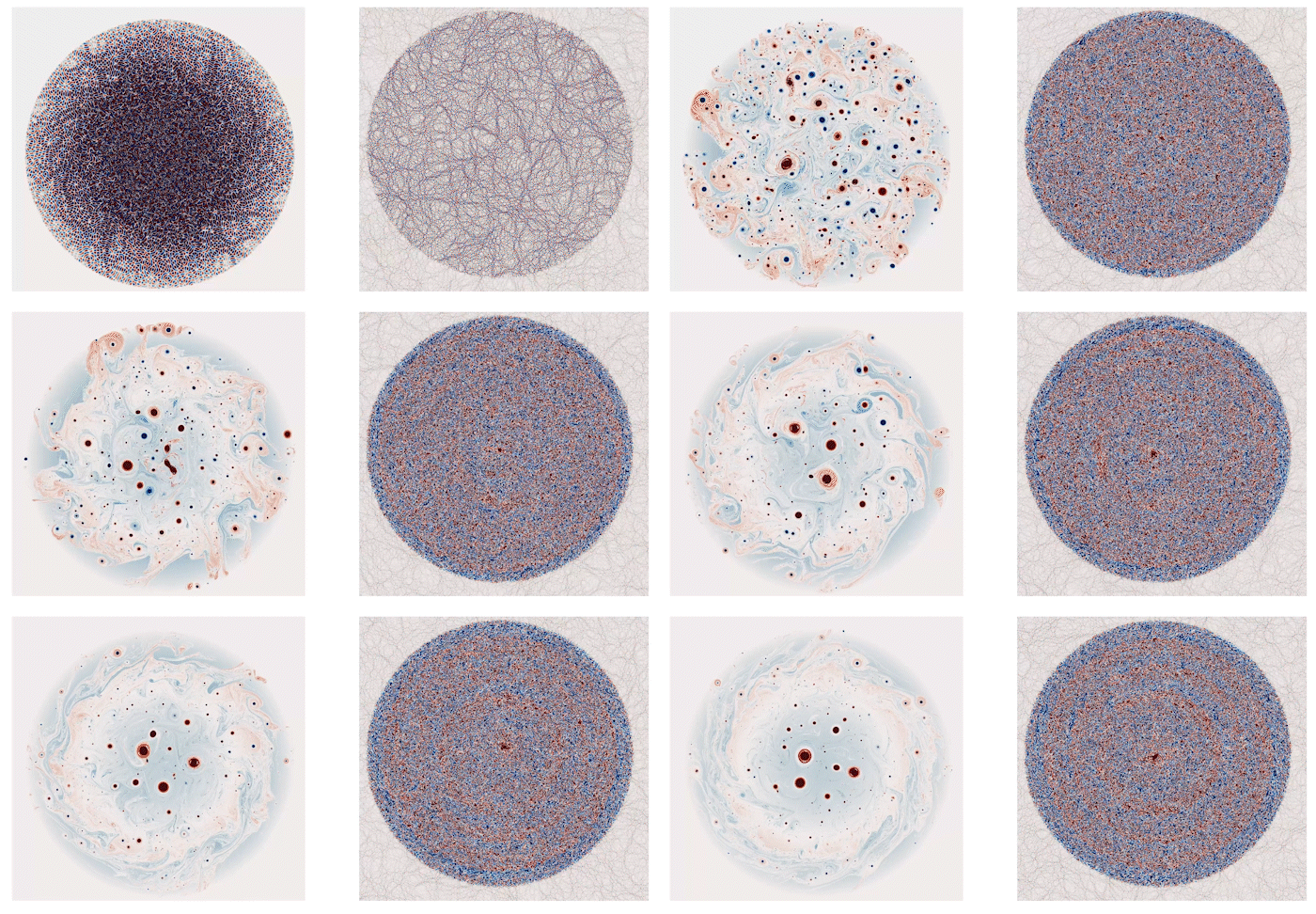
Over multiple different simulations, they observed that some scenarios evolved to form a single large polar vortex, like Saturn, whereas others formed multiple smaller vortices, like Jupiter. After analyzing the combinations of parameters and variables in each scenario and how they related to the final outcome, they landed on a single mechanism to explain whether a single or multiple vortices evolve: As random fluid motions start to coalesce into individual vortices, the size to which a vortex can grow is limited by how soft the bottom of the vortex is. The softer, or lighter the gas is that is rotating at the bottom of a vortex, the smaller the vortex is in the end, allowing for multiple smaller-scale vortices to coexist at a planet’s pole, similar to those on Jupiter.

MIT researchers ran simulations, like the one pictured here, and found that vortex patterns, and whether a planet develops one or multiple polar vortices, is determined by the “softness” of the vortex’s base. On left, a simulation results in multiple vortexes, and on right, only a single vortex is formed in the simulation. Credit: Courtesy of the researchers

Conversely, the harder or denser a vortex bottom is, the larger the system can grow, to a size where eventually it can follow the planet’s curvature as a single, planetary-scale vortex, like the one on Saturn.

If this mechanism is indeed what is at play on both gas giants, it would suggest that Jupiter could be made of softer, lighter material, while Saturn may harbor heavier stuff in its interior.

“What we see from the surface, the fluid pattern on Jupiter and Saturn, may tell us something about the interior, like how soft the bottom is,” Shi says. “And that is important because maybe beneath Saturn’s surface, the interior is more metal-enriched and has more condensable material which allows it to provide stronger stratification than Jupiter. ”

“Because Jupiter and Saturn are otherwise so similar, their different polar weather has been a puzzle,” says Yohai Kaspi, a professor of geophysical fluid dynamics at the Weizmann Institute of Science, and a member of the Juno mission’s science team, who was not involved in the new study. “The work by Shi and Kang reveals a surprising link between these differences and the planets’ deep interior ‘softness’, offering a new way to map the key internal properties that shape their atmospheres.”

This research was supported, in part, by a Mathworks Fellowship and endowed funding from MIT’s Department of Earth, Atmospheric and Planetary Sciences.

Reprinted with permission of MIT News
http://news.mit.edu/

Zed Approves | Work From Anywhere, Efficiently – The 2026 Essential Gear Guide

0

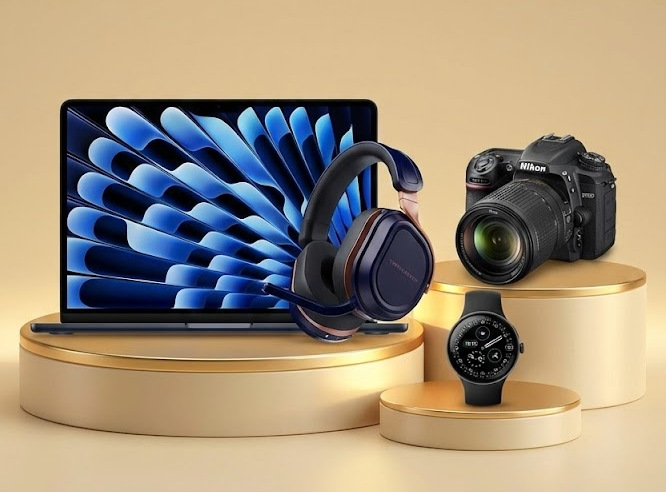
With working from home becoming more common than ever, having the right gear is no longer just a necessity—it’s also about comfort and enjoyment. We’ve compiled the essentials into a concise list to make choosing the right setup easier.

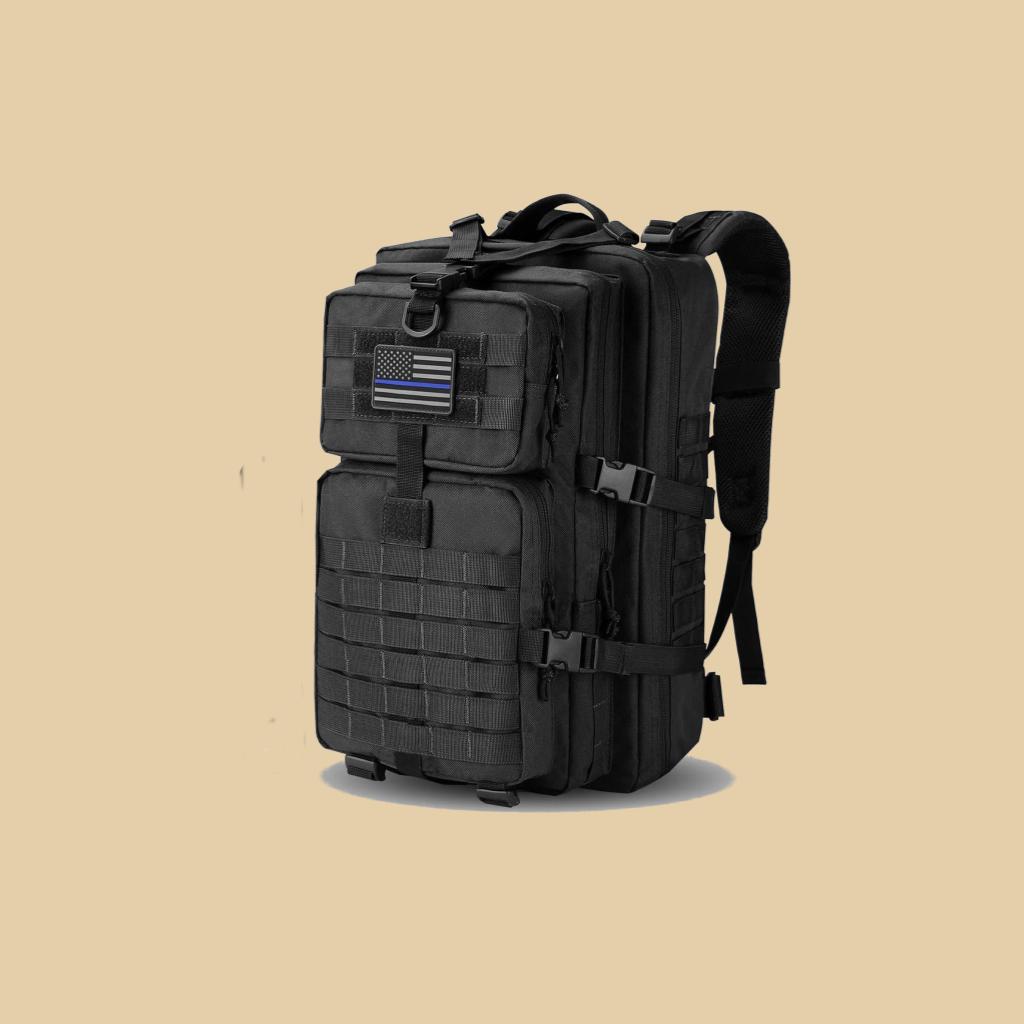
Hannibal Tactical MOLLE Assault Backpack

First and foremost, you need a bag that’s not just about storage and efficiency, but also versatility and durability. The MOLLE Assault Pack offers a 40-liter capacity, making it suitable for a wide range of occasions and situations. Whether you’re working remotely for a day or up to a week, it provides ample space and reliable build quality. It can comfortably fit laptops ranging from 13.3 to 15.6 inches. While its strict military-style design may seem off-putting at first, this aesthetic has become increasingly common and widely popular.

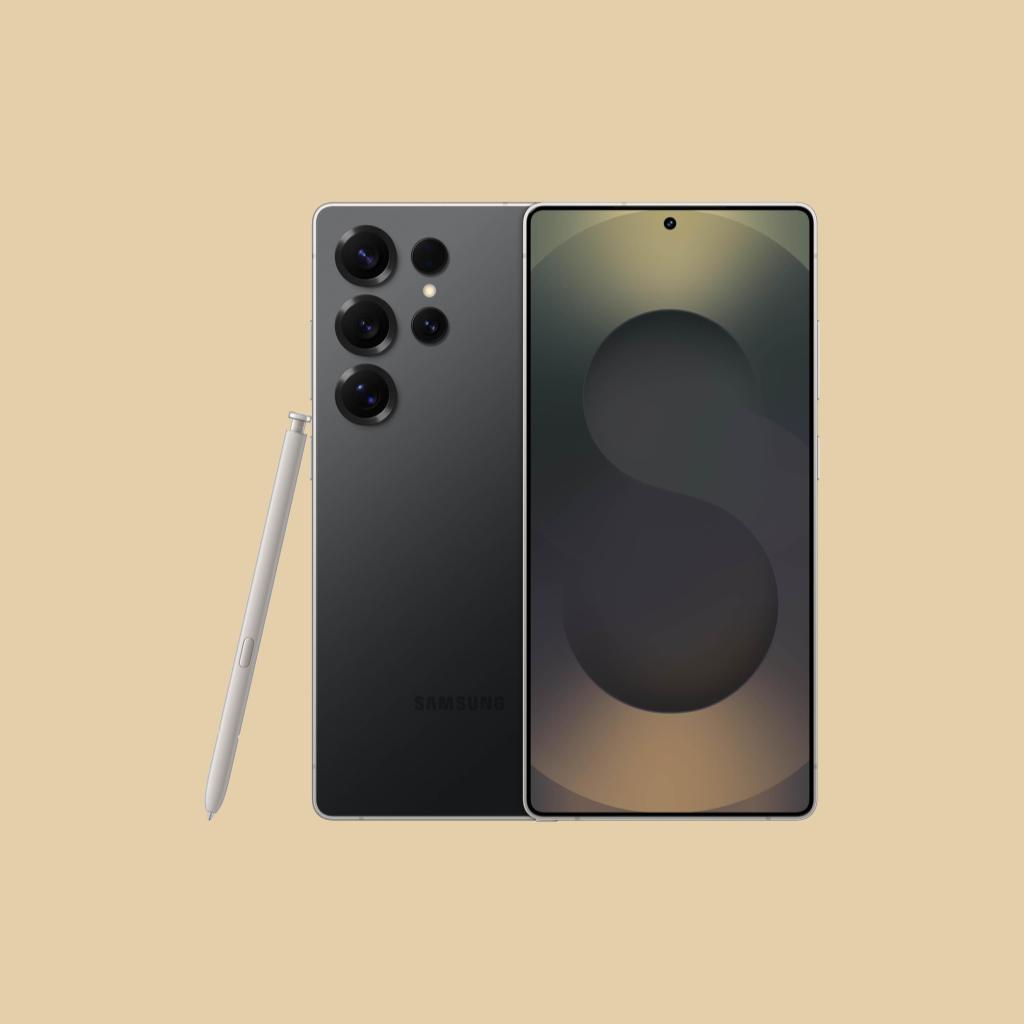
Samsung Galaxy S25 Ultra

The Samsung Galaxy S25 Ultra may have been released last year, but its specs in terms of computing power, storage, and memory are still impressive when compared to recently released smartphones. One potential drawback for some users is the screen size, which boasts a 6.9-inch QHD+ Dynamic AMOLED display—something that may feel too large for everyday use. Aside from that, this beast of a phone comes equipped with Galaxy AI, which has quickly become the norm in today’s smartphones (AI everything, right?).

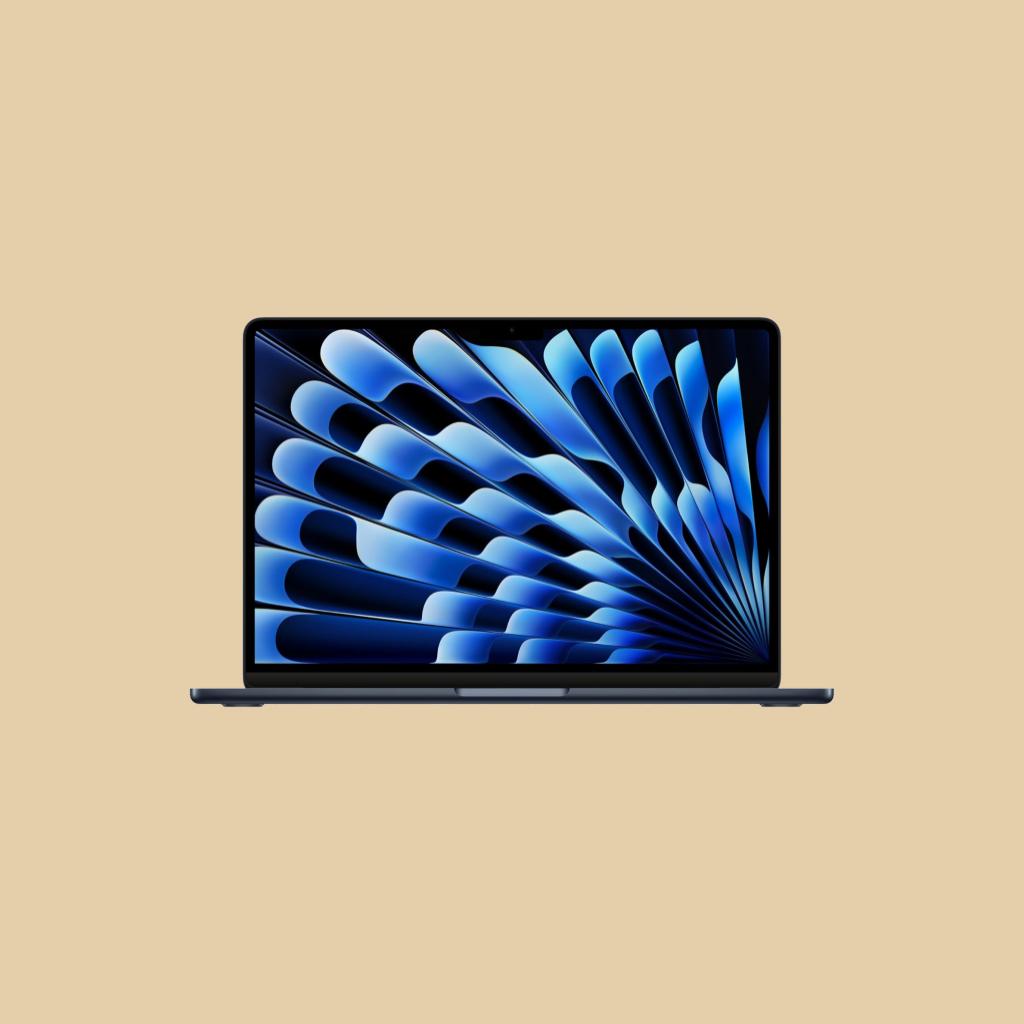
Apple 2024 MacBook Air 13-inch Laptop

While we could recommend something more powerful, such as a dedicated gaming laptop, the 2024 Apple MacBook Air remains a solid choice. It comes equipped with 8 GB of memory, 256 GB of SSD storage, and Apple’s M3 processor, which delivers strong performance for everyday tasks—unless you’re handling heavy-duty workloads or high-end gaming.

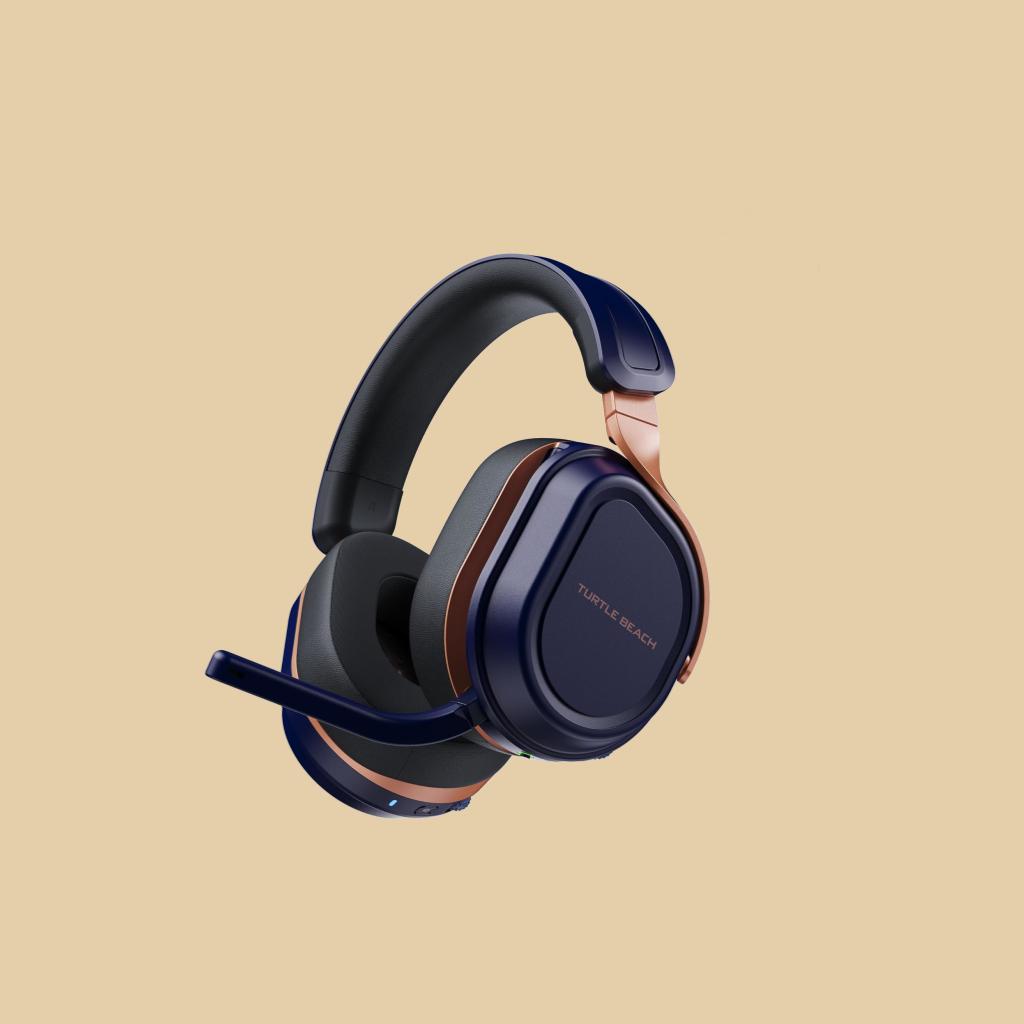
Turtle Beach Stealth 700 Gen 3 Wireless Multiplatform Amplified Gaming Headset

Choosing headphones can be tricky, but this pair stands out with its 80-hour battery life, comfortable fit, and excellent microphone performance. For work, all you really need is a reliable headset with a decent mic—and this one delivers that and more. It also offers extra features like simultaneous playback, allowing you to listen to music on your laptop while staying aware of work notifications on your phone.

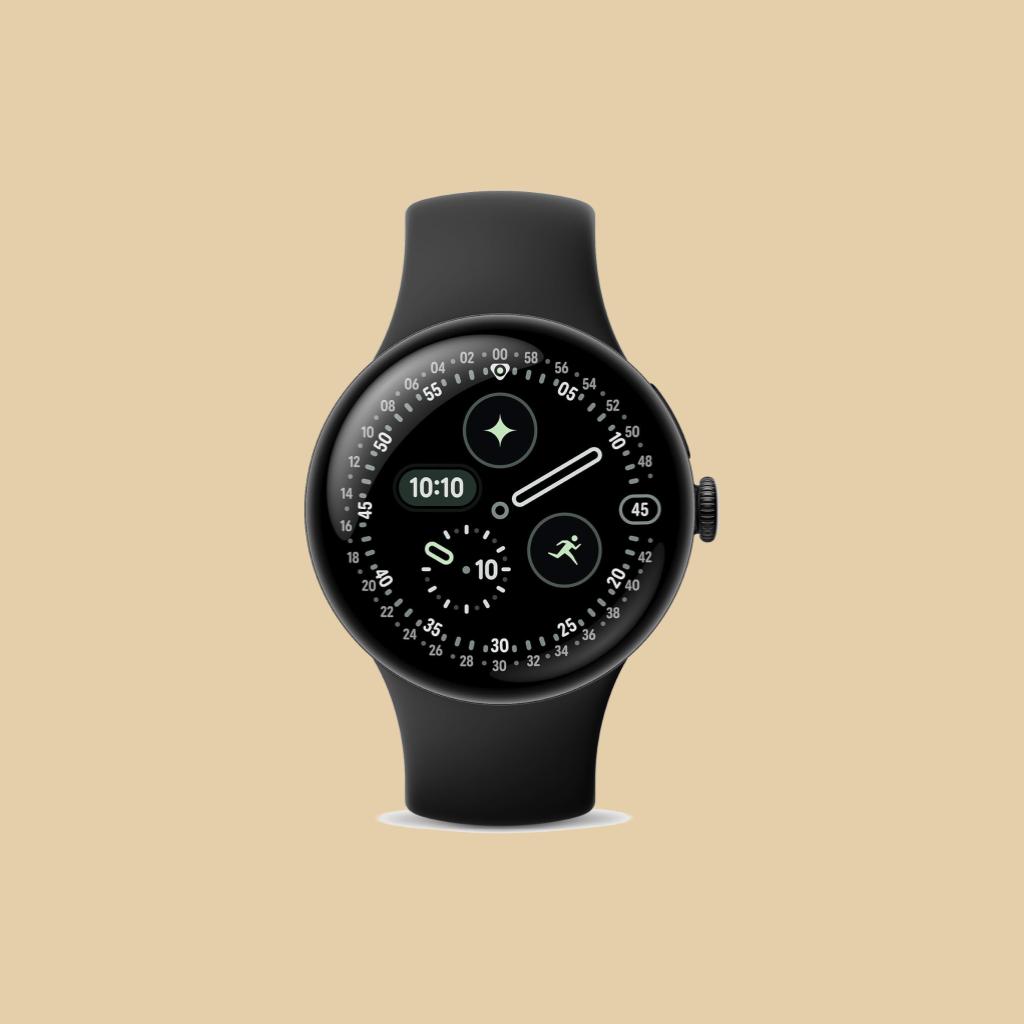
Google Pixel Watch 4

If you’re frequently on the go, tracking your fitness becomes even more important. A smartwatch helps monitor your daily activity, including steps and movement throughout the day. The Google Pixel Watch 4 also comes with Gemini as its built-in assistant. One standout feature is the integrated microphone and speaker—while it can handle calls directly from your wrist, we find it especially useful for listening to music when paired with a Bluetooth headset.

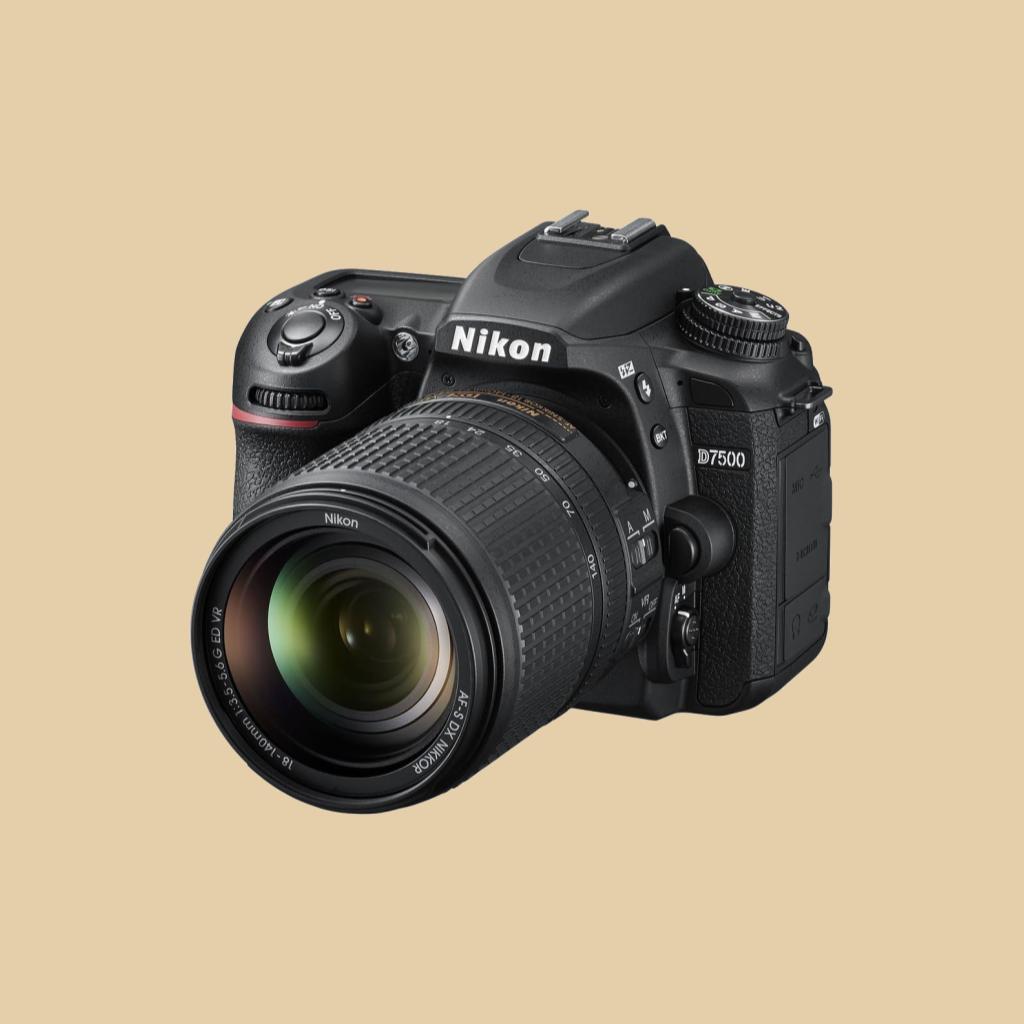
Nikon D7500 20.9MP DSLR Camera

Our final entry on the list isn’t strictly an essential—it’s more of a want than a need. Capturing moments with a dedicated camera simply makes them more memorable, and it’s an experience that isn’t quite the same when using a smartphone. Especially if your work allows or requires frequent travel, having one with you at all times makes sense. The Nikon D7500 offers a 21MP resolution, which is more than enough for most photography needs.


Student life is busy enough without hassles like paying for shipping. That’s why Amazon Prime Student is a must-have for you. For just $14.99 $7.49/month, Prime Student gets you free two-day shipping on over 100 million items, unlimited photo storage, exclusive deals, and more. Better still, it comes with a six-month free trial so you can make sure Prime Student fits your lifestyle. Join today to take advantage of membership benefits and perks tailored specifically for students! Click here to sign up now.

Hubble Glimpses Galactic Gas Making a Getaway

0

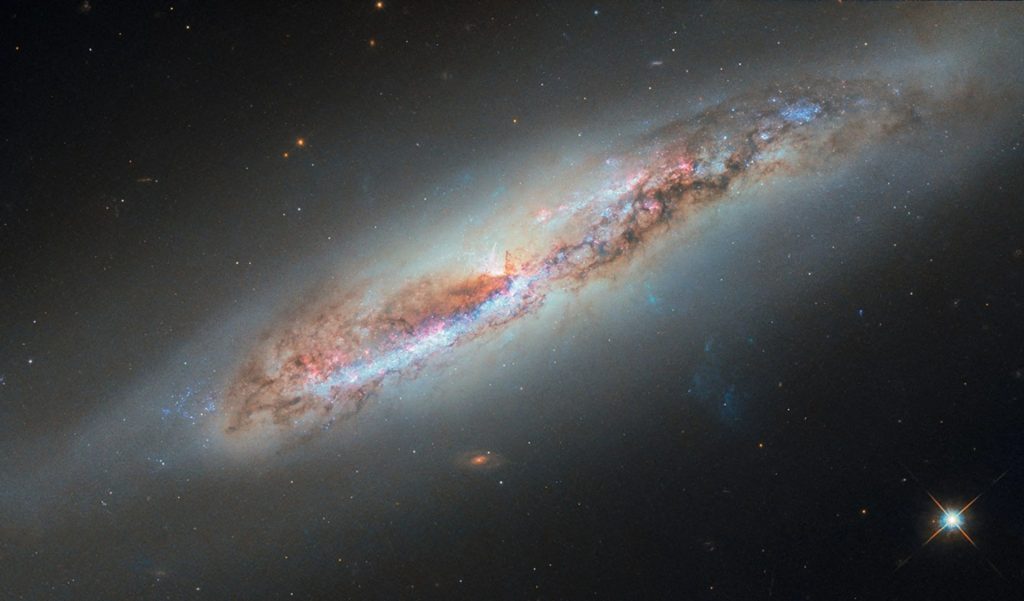
A sideways spiral galaxy shines in this NASA/ESA Hubble Space Telescope image. Located about 60 million light-years away in the constellation Virgo (the Maiden), NGC 4388 is a resident of the Virgo galaxy cluster. This enormous cluster of galaxies contains more than a thousand members and is the nearest large galaxy cluster to the Milky Way.

This NASA/ESA Hubble Space Telescope image features the galaxy NGC 4388, a member of the Virgo galaxy cluster. ESA/Hubble & NASA, S. Veilleux, J. Wang, J. Greene

NGC 4388 appears to tilt at an extreme angle relative to our point of view, giving us a nearly edge-on prospect of the galaxy. This perspective reveals a curious feature that wasn’t visible in a previous Hubble image of this galaxy released in 2016: a plume of gas from the galaxy’s nucleus, here seen billowing out from the galaxy’s disk toward the lower-right corner of the image. But where did this outflow come from, and why does it glow?

The answer likely lies in the vast stretches of space that separate the galaxies of the Virgo cluster. Though the space between galaxies appears empty, this space is occupied by hot wisps of gas called the intracluster medium. As NGC 4388 moves within the Virgo cluster, it plunges through the intracluster medium. Pressure from hot intracluster gas whisks away gas from within NGC 4388’s disk, causing it to trail behind as NGC 4388 moves.

The source of the ionizing energy that causes this gas cloud to glow is more uncertain. Researchers suspect that some of the energy comes from the center of the galaxy, where a supermassive black hole spins gas around it into a superheated disk. The blazing radiation from this disk might ionize the gas closest to the galaxy, while shock waves might be responsible for ionizing filaments of gas farther out.

This image incorporates new data, including several additional wavelengths of light, that bring the ionized gas cloud into view. The image holds data from several observing programs that aim to illuminate galaxies with active black holes at their centers.

Image credit: ESA/Hubble & NASA, S. Veilleux, J. Wang, J. Greene

By: Monika Luabeya
Originally published at: NASA
Water Droplet Science

0
NASA/Don Pettit

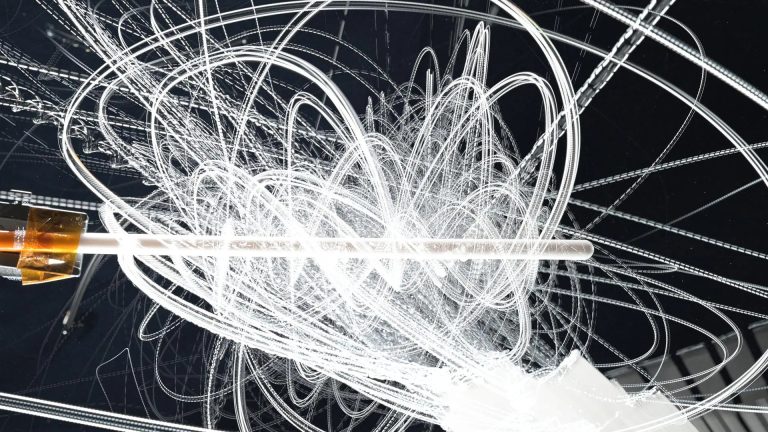
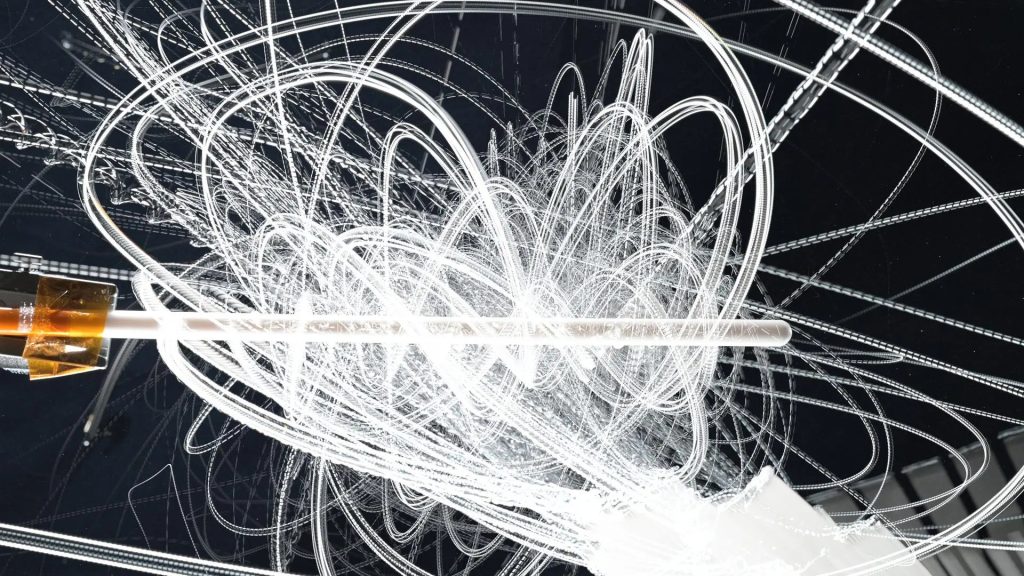
NASA astronaut Don Pettit demonstrates electrostatic forces using charged water droplets and a knitting needle made of Teflon. This series of overlapping frames from Feb. 19, 2025, displays the unique attraction-repulsion properties of Teflon and charged droplets, similar to how charged particles from the Sun behave when they come in contact with Earth’s magnetic field. Highly energetic particles from space that collide with atoms and molecules in the atmosphere create the aurora borealis.

Explore more of what Pettit has coined “science of opportunity.”

Image credit: NASA/Don Pettit

By: Monika Luabeya
Originally published at: NASA
Zed Approves | 12 Cool Tech You’ll Regret Missing

0

As the year comes to a close and a new one begins, it’s the perfect time to look back—and ahead—at tech gear you might have missed. From smart home innovations to healthcare devices and entertainment upgrades, these are technologies designed to improve everyday living and are worth keeping an eye on.

01. Cleaning Robot

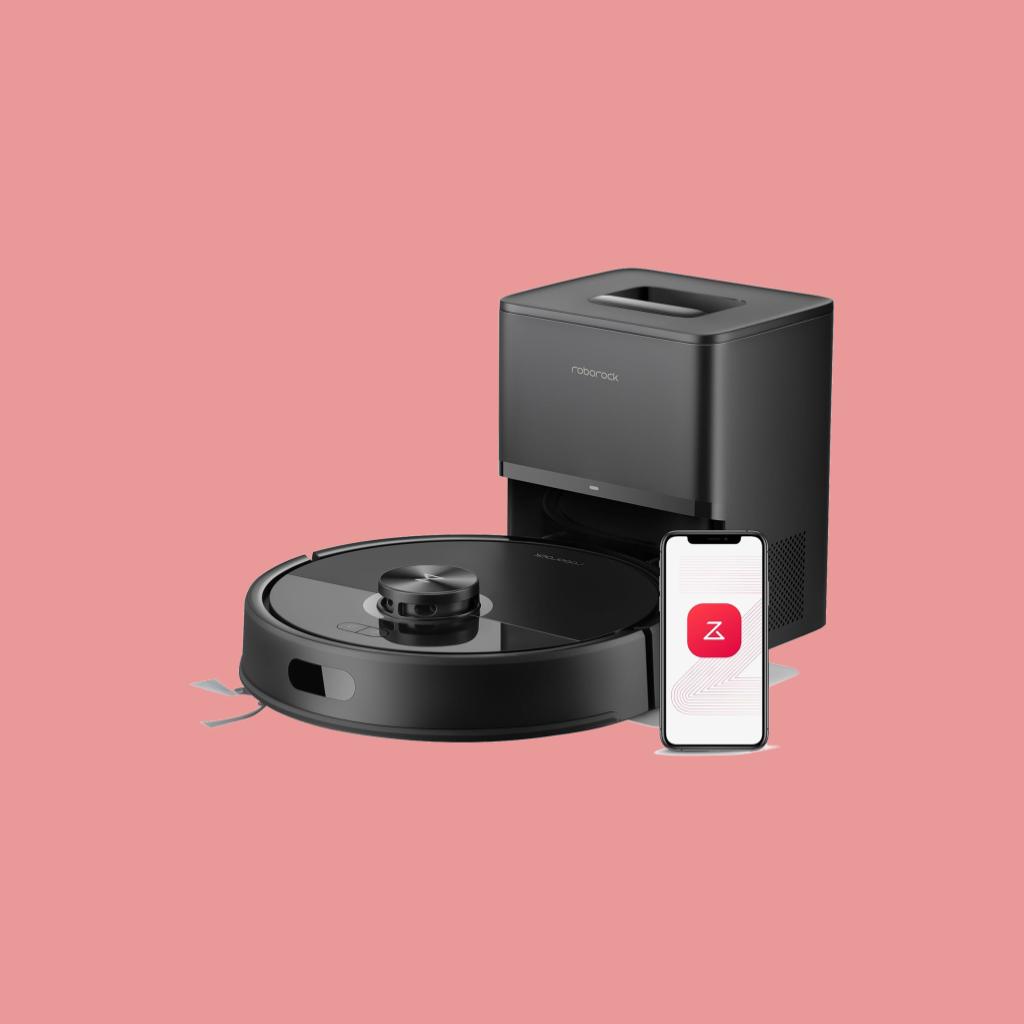
Have you ever tried cleaning tight spaces like under a sofa or refrigerator? Cleaning robots excel at reaching these hard-to-access areas, effortlessly moving throughout the house and making quick work of everyday cleaning tasks. Most models can also be remotely controlled and monitored through a mobile app, adding convenience even when you’re away from home.

02. Air Purifier

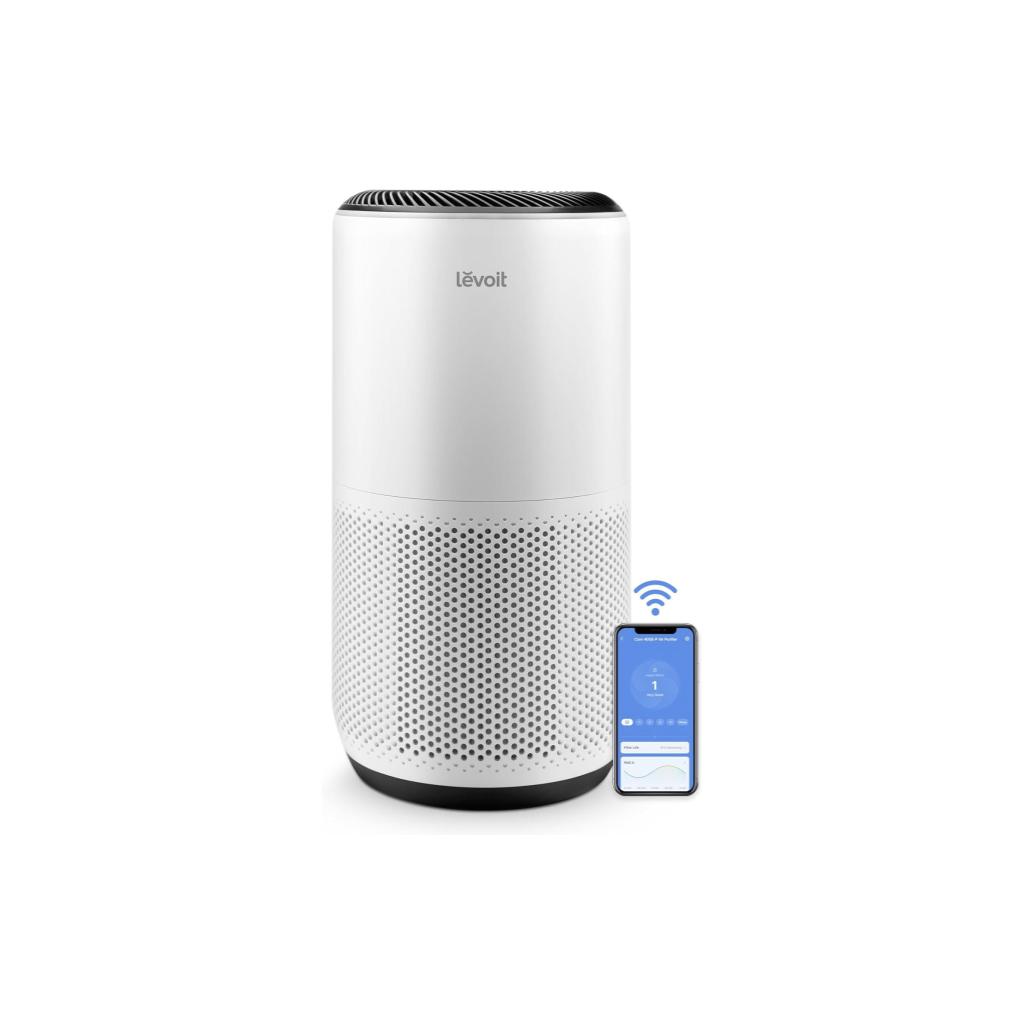
We have a strong inclination—and possibly a bias—toward this piece of technology. As someone who has been exposed to polluted air, air purifiers have been a real blessing. They help reduce the occurrence of allergies such as pollen and pet dander, and even in non-airtight, non–air-conditioned rooms, they make a noticeable difference in preventing allergy flare-ups. They also help clean the air during and after cooking.

03. Droid

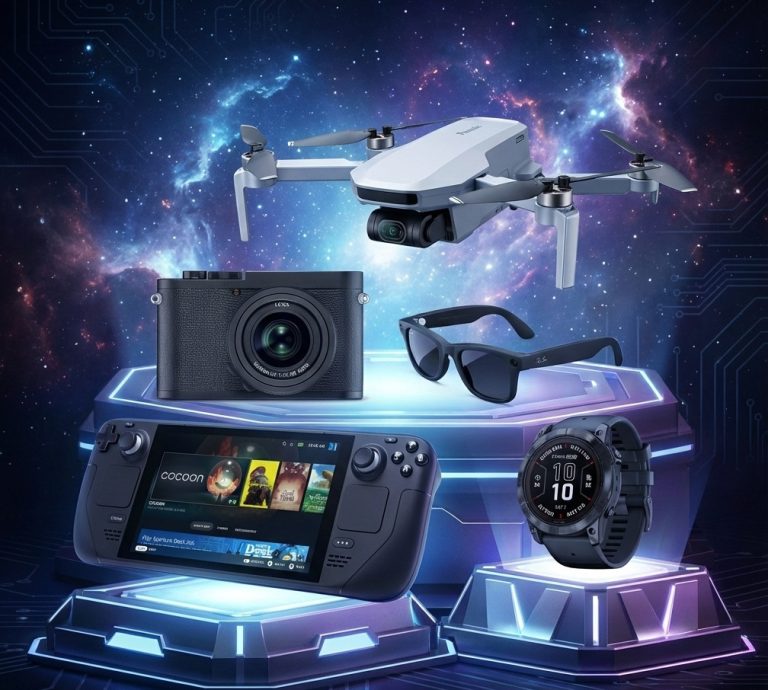
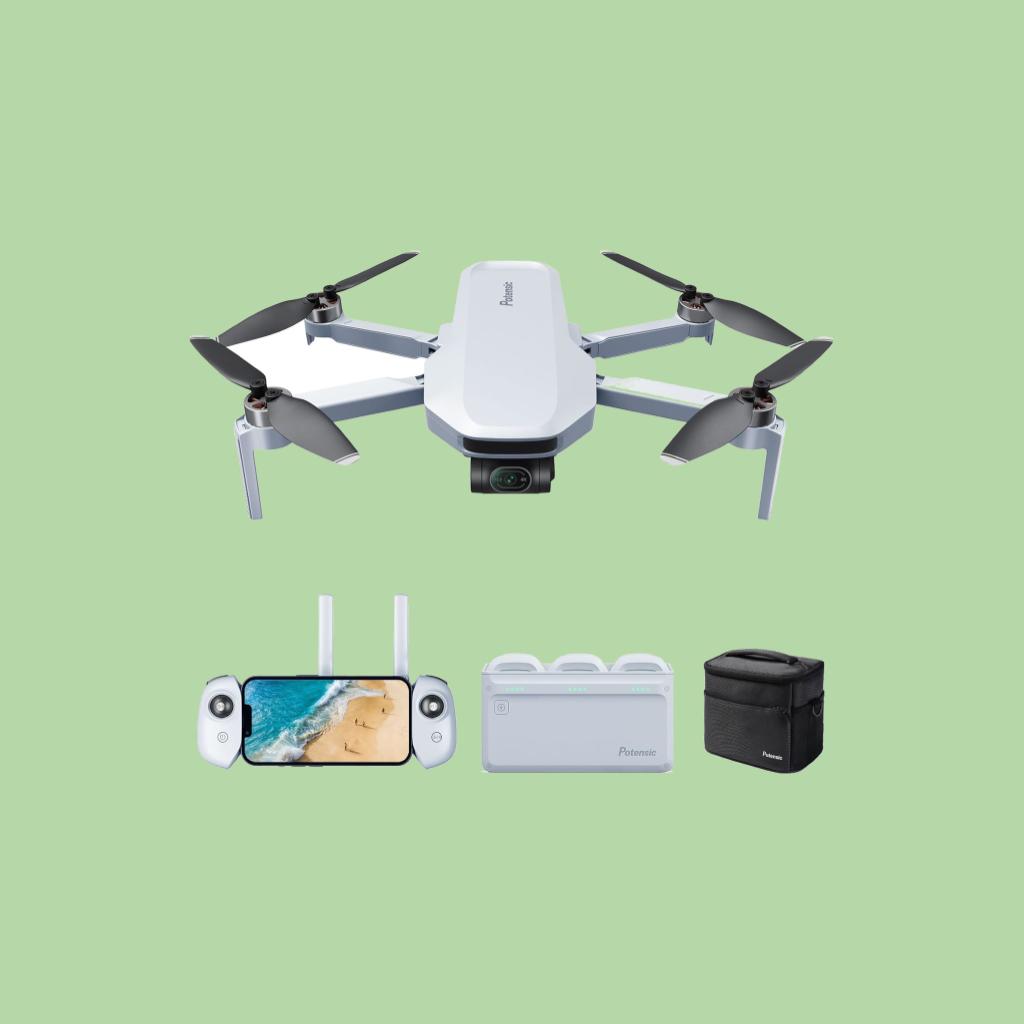
Having a drone is like having the ability to fly. The fun it provides is immeasurable, allowing you to see places and perspectives you normally can’t. But that’s just the tip of the iceberg, as drones can also be used for photography and videography, property inspections, mapping, and even creative storytelling.

04. Smartwatch

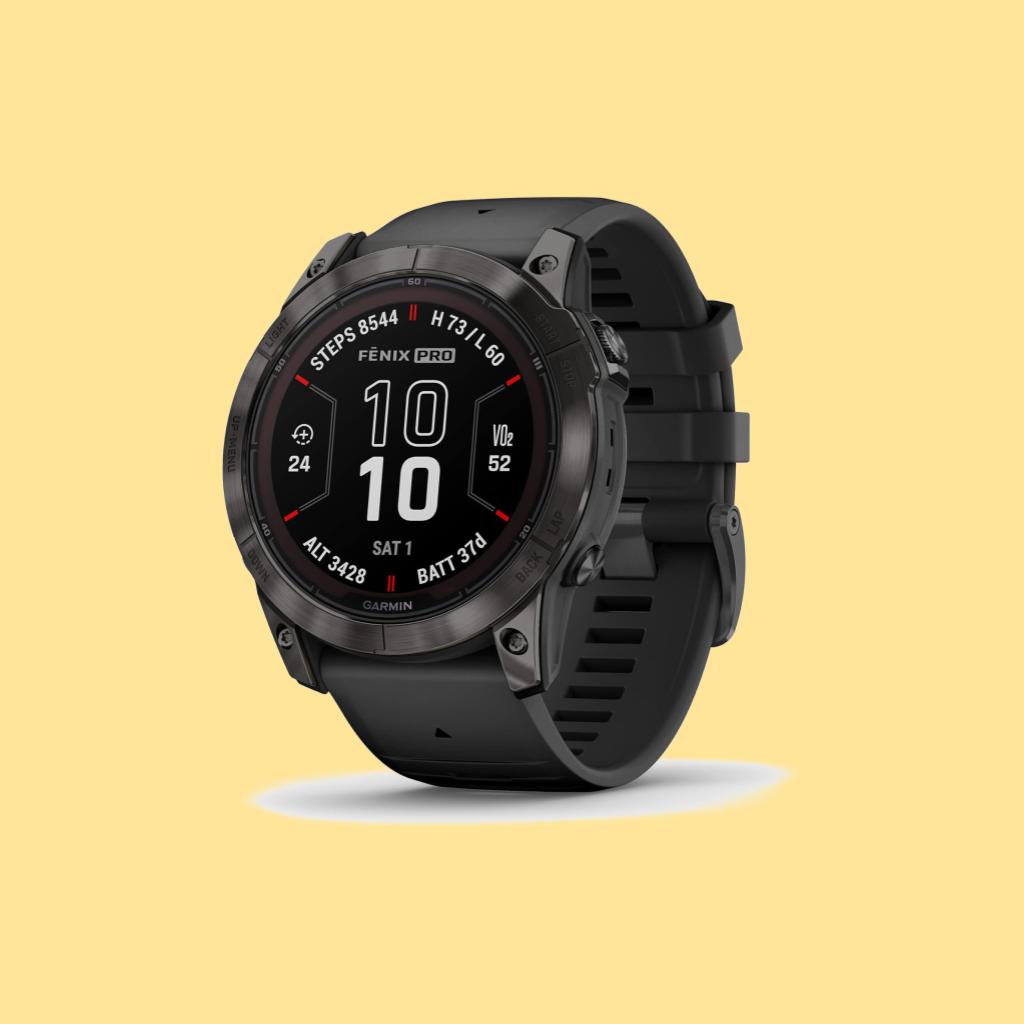
The Garmin fēnix 7X Pro is like a Swiss Army knife of smartwatches. It not only offers comprehensive health monitoring and detailed reports, but also features solar charging for extended battery life. If you want a more in-depth review of this watch, we have one available here.

05. Translation Earbuds

A big plus when traveling to a foreign country, these compact earbuds double as real-time language translators. While you could rely on your phone and manually type into Google Translate, these earbuds provide instant audio translation—and even support translated conversations during voice or video calls. The result is a smoother, more natural interaction that breaks language barriers with crystal-clear, high-fidelity audio.

06. Smartglasses

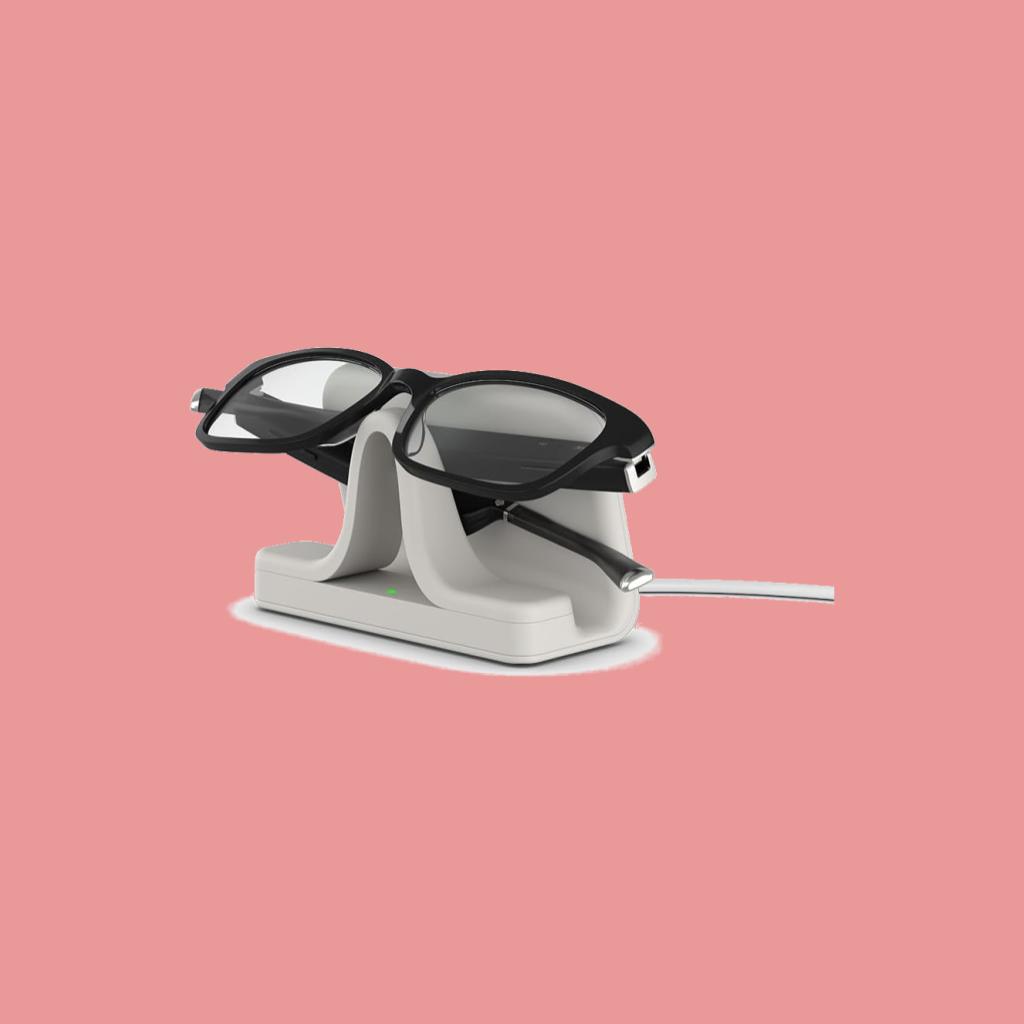
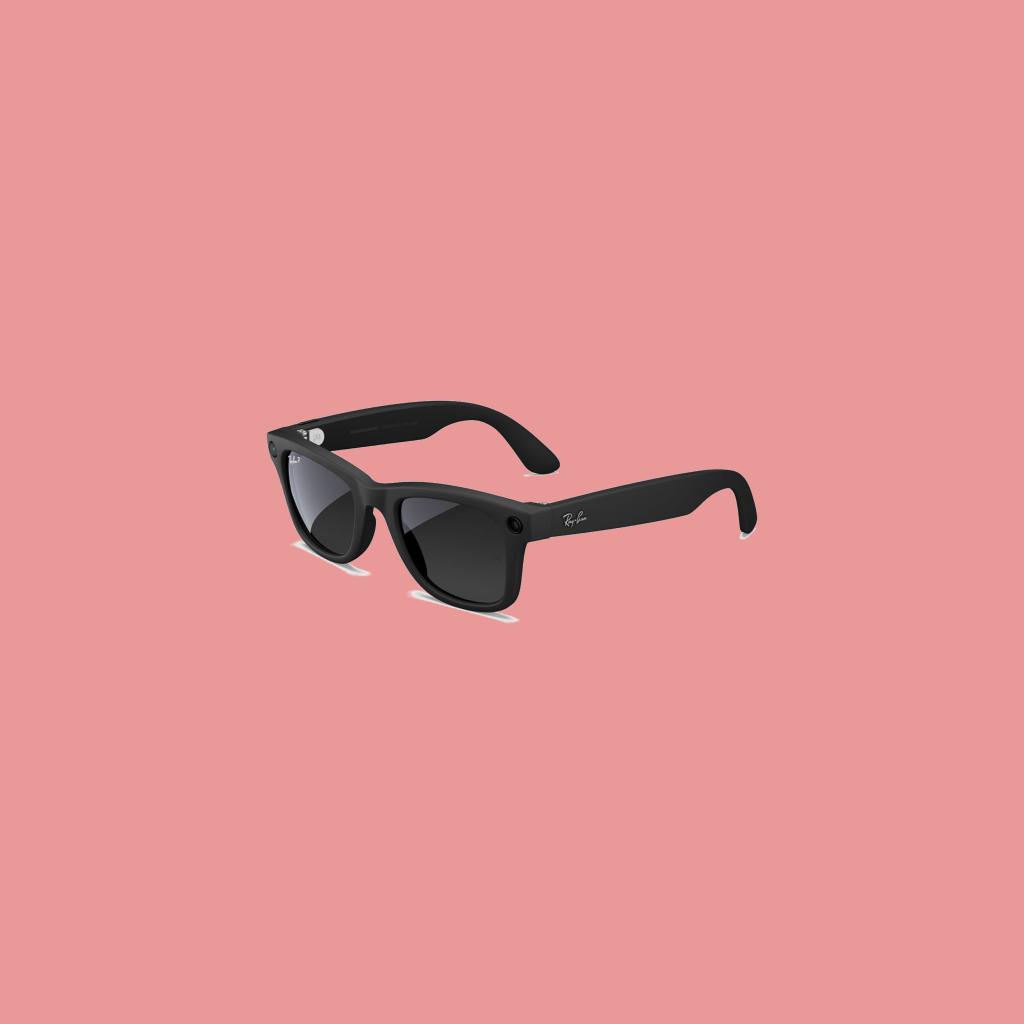
From hands-free calling to music playback, smart glasses offer a wide range of features. Models like the Ray-Ban smart glasses can even record video, adding another layer of functionality. In a nutshell, they bring some of your smartphone’s capabilities into a stylish and fashionable pair of wearable glasses.

Ray-Ban Meta Smart AI Glasses

Amazon Echo Frames Smart Glasses

07. Laptop

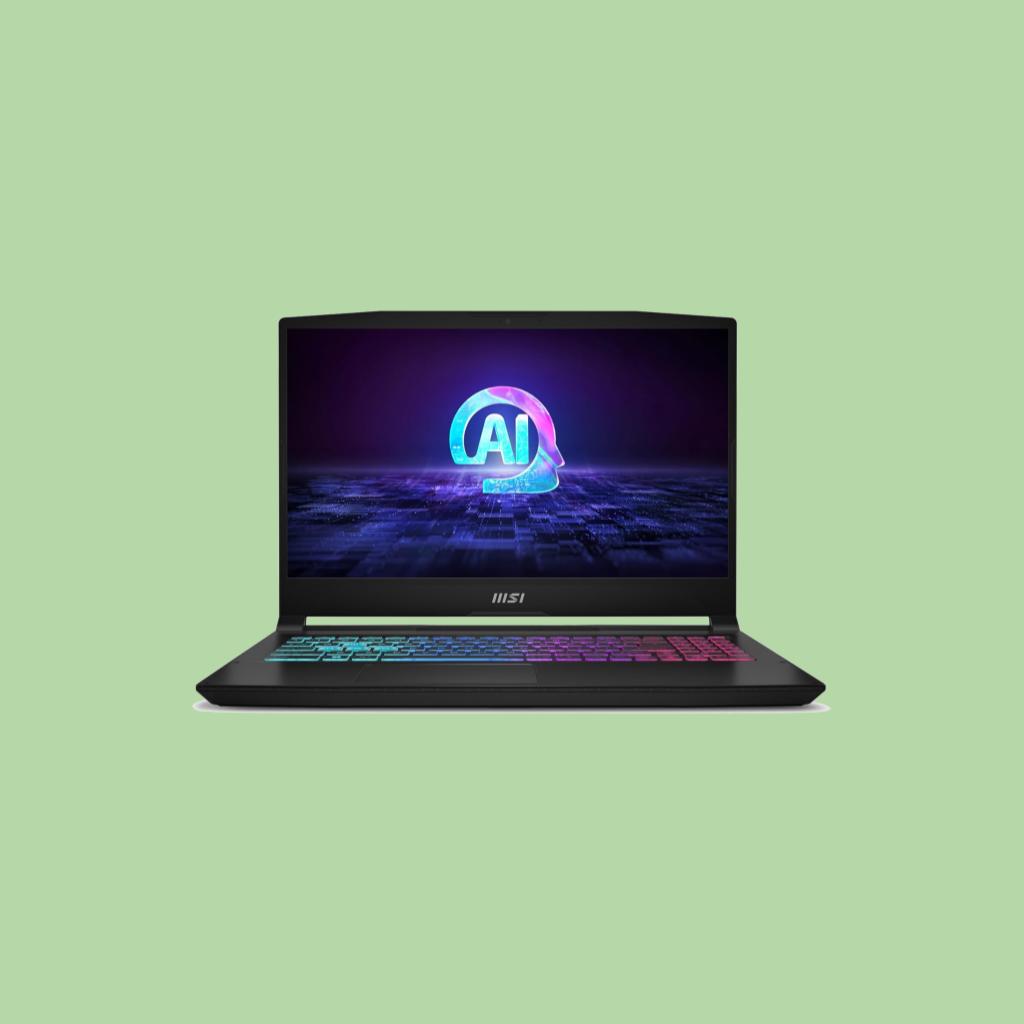
A laptop remains an essential piece of gear in today’s technology-driven world. This MSI gaming laptop is equipped with 32GB of memory, an NVIDIA RTX 4060 graphics card, an AMD Ryzen 7 processor clocked at 3.8 GHz, and a 1TB SSD. It’s a fairly powerful machine capable of running most modern games with ease.

08. VR/XR Glasses

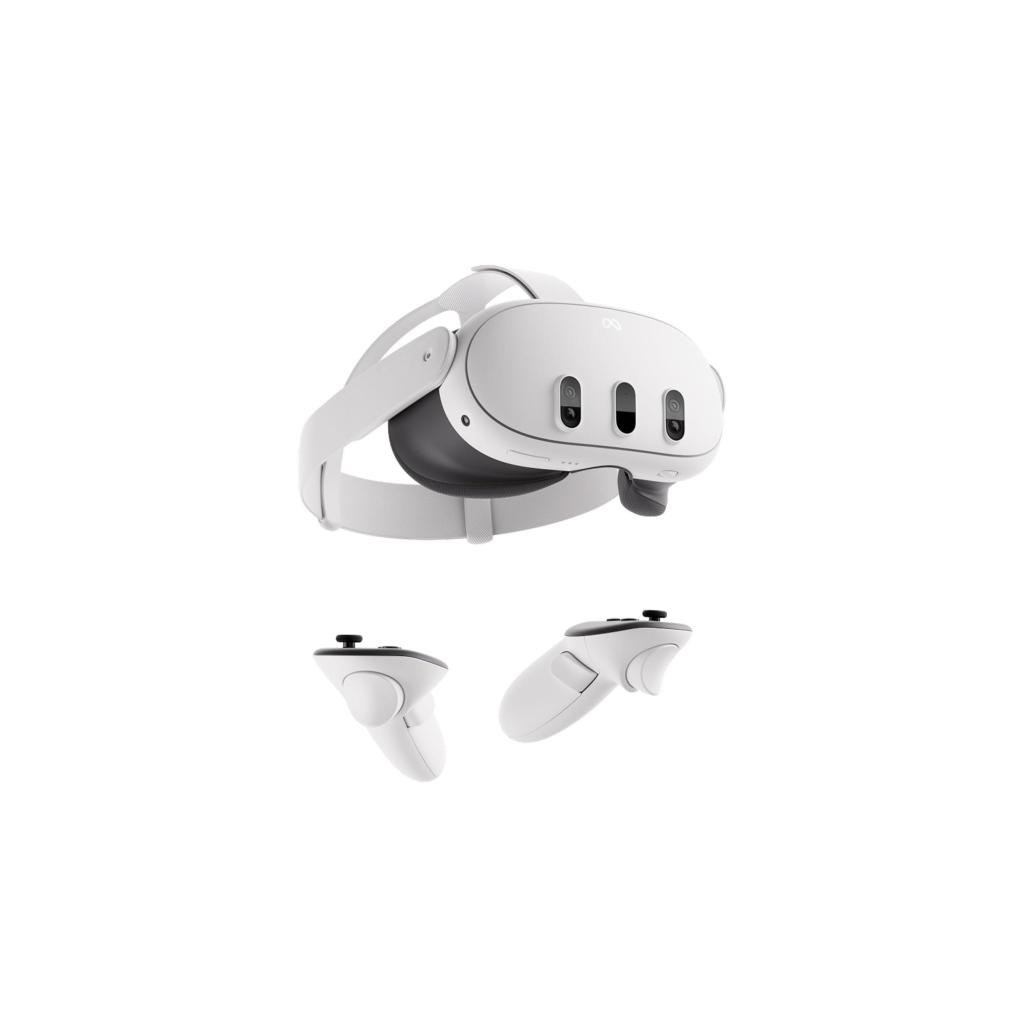
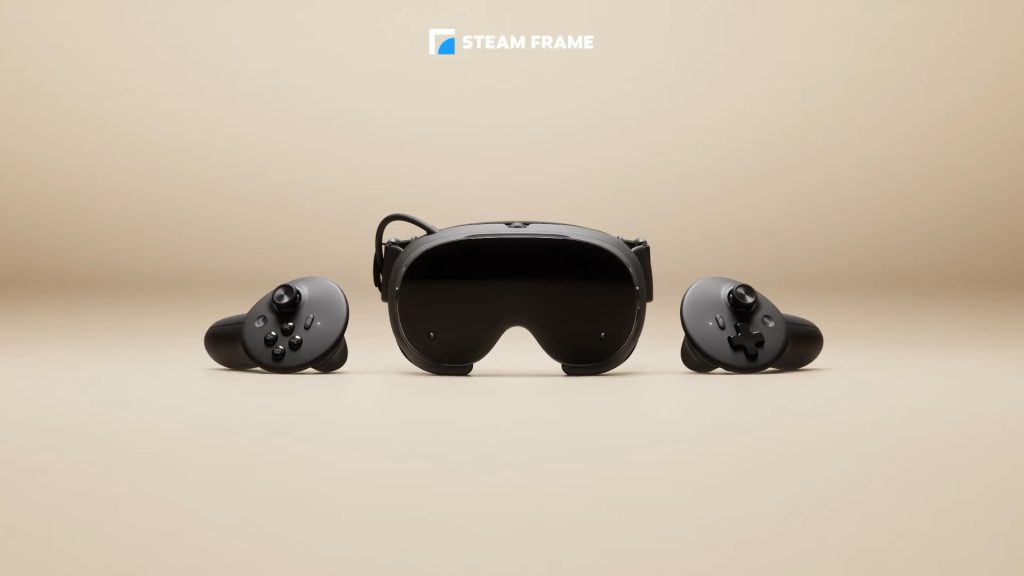
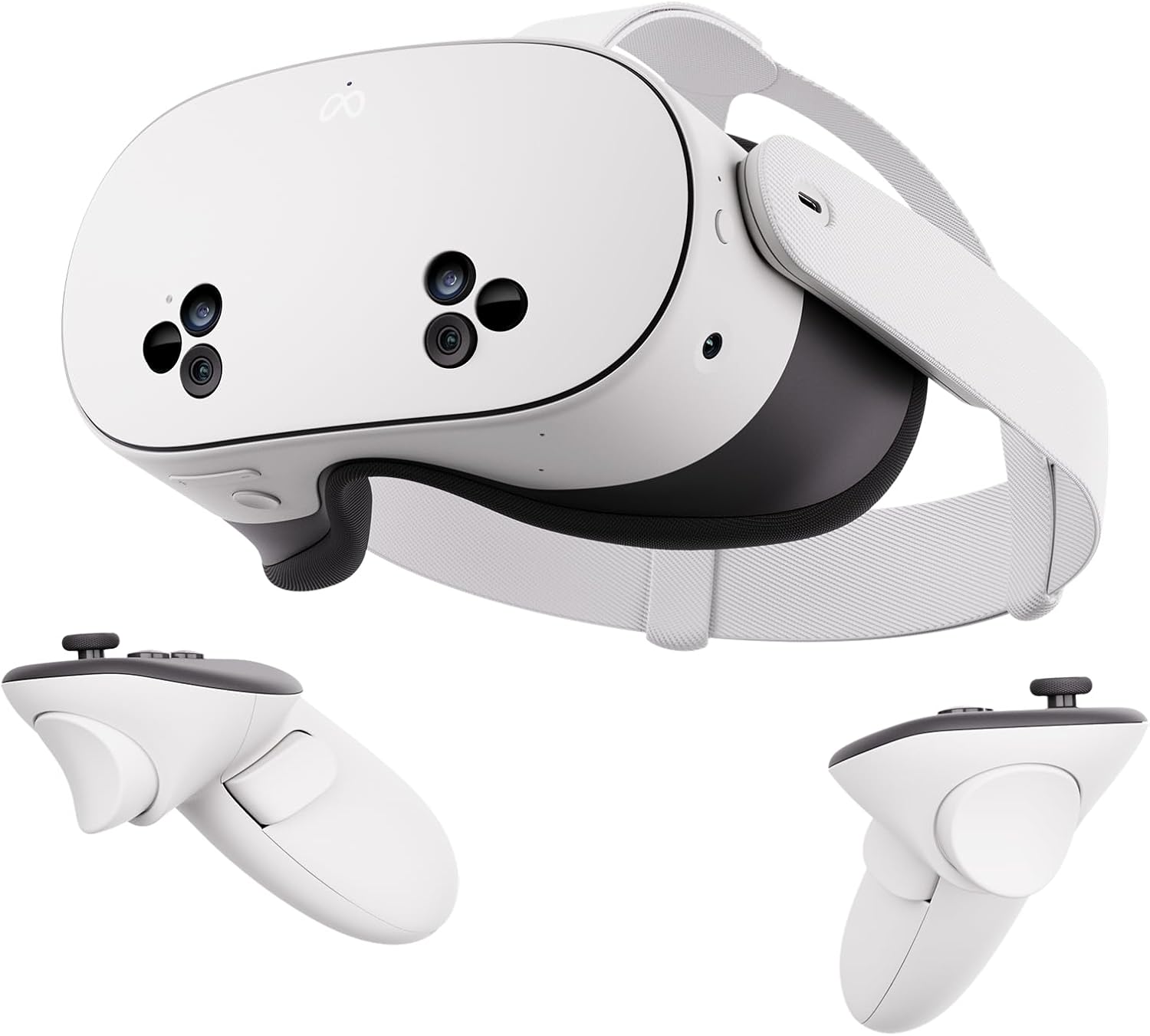
Let’s face it, VR headsets are best enjoyed through immersive games that are built specifically for the platform. These include titles like Beat Saber and Resident Evil 4 VR, which is a Quest exclusive. In the near future, Steam will also be releasing the Steam Frame. While it’s not yet available for sale, it’s definitely something to watch out for, especially if you already have a Steam account.

Meta Quest 3

Steam Frame

09. Smart Phone

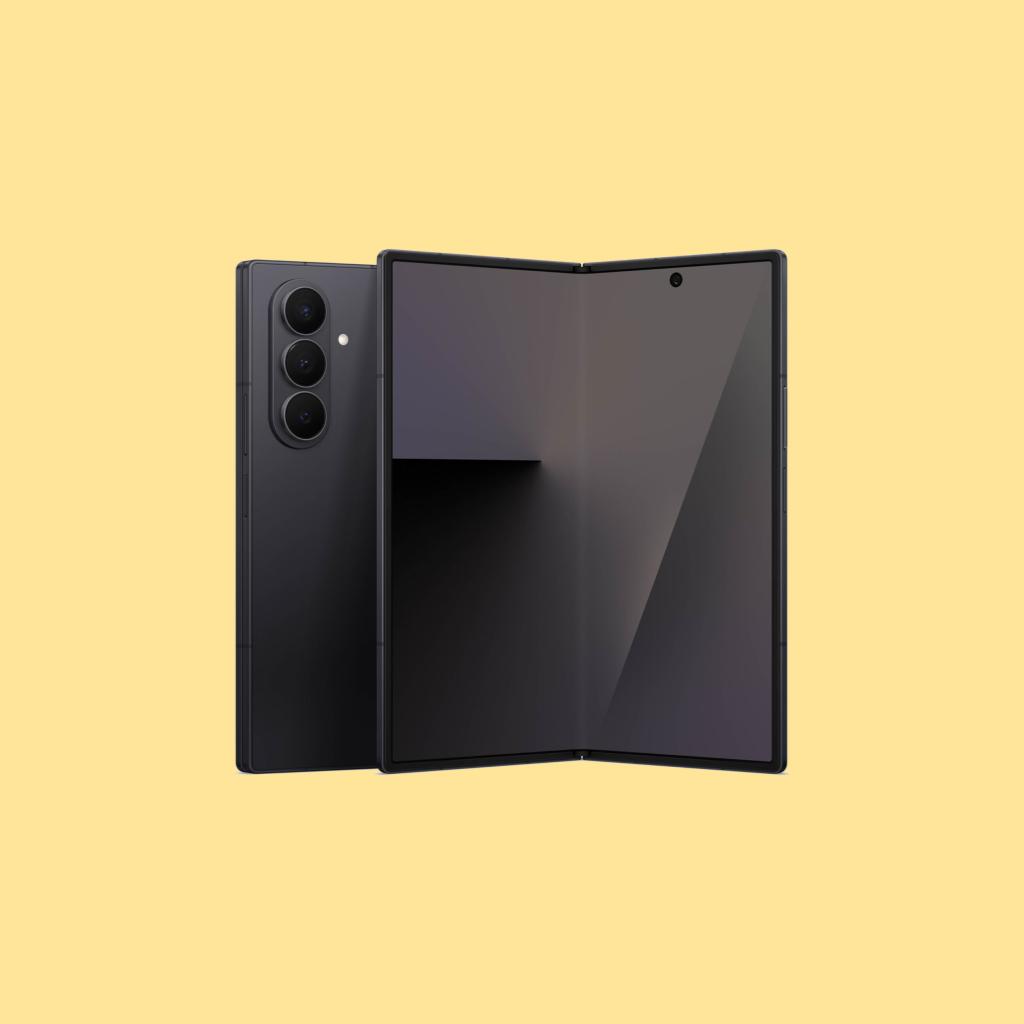
While smartphones have become a common part of our daily lives, their benefits are undeniable, from communication and education to smart home control. With the proliferation of AI, you can expect intelligent features to be integrated into both current and upcoming smartphones. The Samsung Galaxy Z stands out with its foldable design, offering a unique and versatile way to use a smartphone.

10. Portable Game Console

Portability has always been a major advantage in the gaming world, especially for those constantly on the move. Whether for work, travel, or simply to play whenever they like playing on the go is always a plus. In the past, devices like the Game Boy made handheld gaming a huge hit. Today, the Steam Deck lets you play Steam games you already own, anywhere you go.

11. Digital Camera

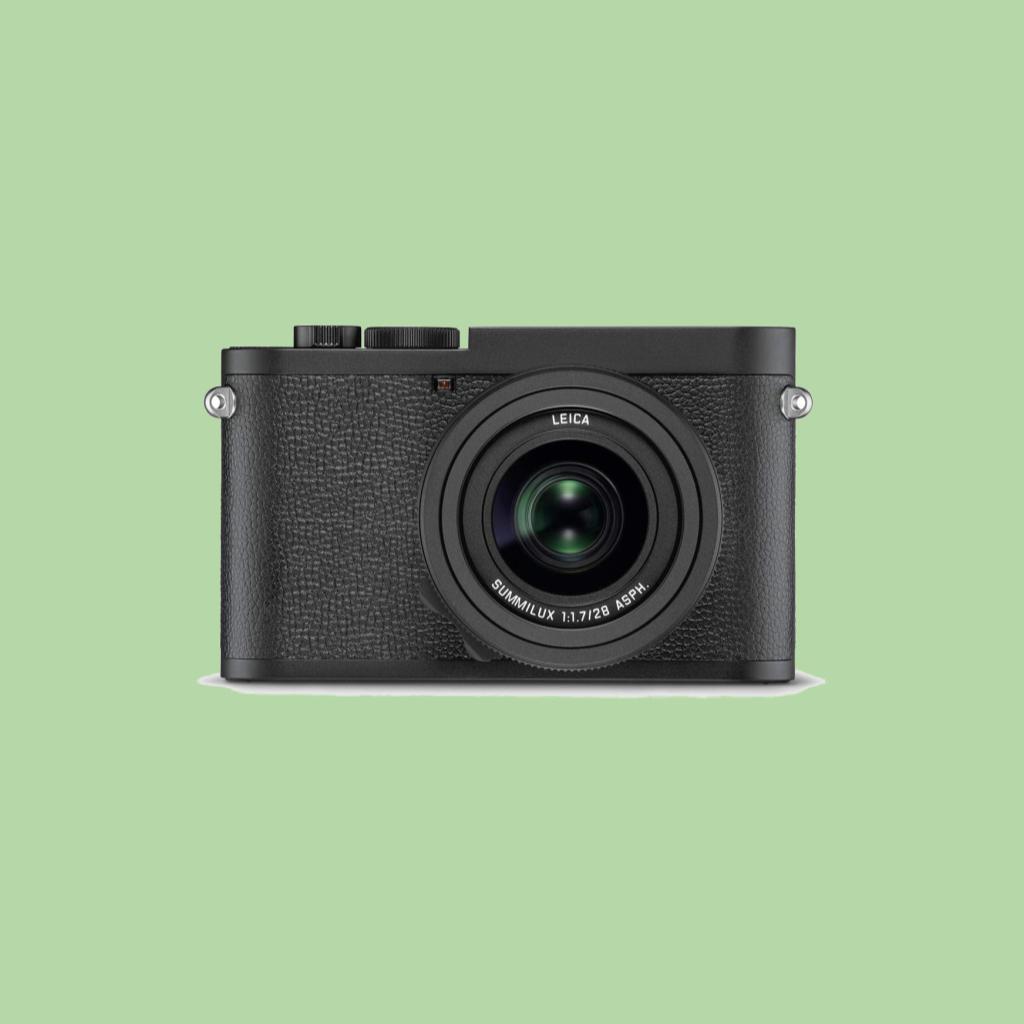
While most smartphones already have built-in cameras, nothing beats a specialty device like a digital camera. Using one can elevate the experience of capturing memories or pursuing photography as a hobby. This particular model features a monochrome sensor, which delivers cleaner images with better highlight and shadow detail—though it captures only black-and-white photos.

12. Steam Machine

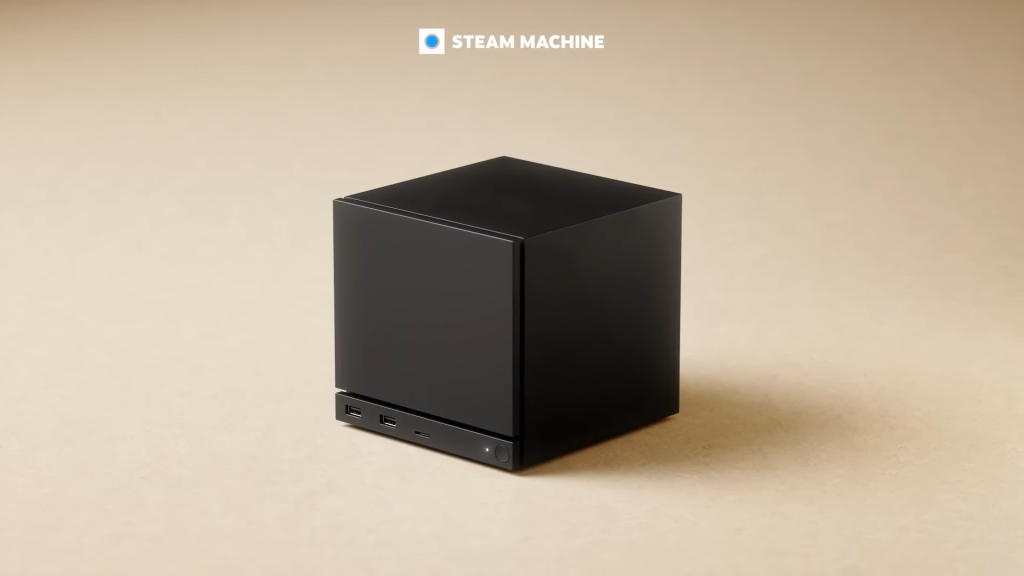
If you’re a gamer who works with Linux (especially Arch Linux) then the Steam Machine is made for you. Packaged in a compact 6-inch cube and capable of 4K gaming, this little powerhouse can handle most modern games while also taking care of work tasks. It’s set to arrive in 2026.


Student life is busy enough without hassles like paying for shipping. That’s why Amazon Prime Student is a must-have for you. For just $14.99 $7.49/month, Prime Student gets you free two-day shipping on over 100 million items, unlimited photo storage, exclusive deals, and more. Better still, it comes with a six-month free trial so you can make sure Prime Student fits your lifestyle. Join today to take advantage of membership benefits and perks tailored specifically for students! Click here to sign up now.

NASA’s SPHEREx Observatory Completes First Cosmic Map Like No Other

0

The telescope will help scientists answer big-picture questions about everything from water deposits in the Milky Way to what happened in the first second after the big bang.

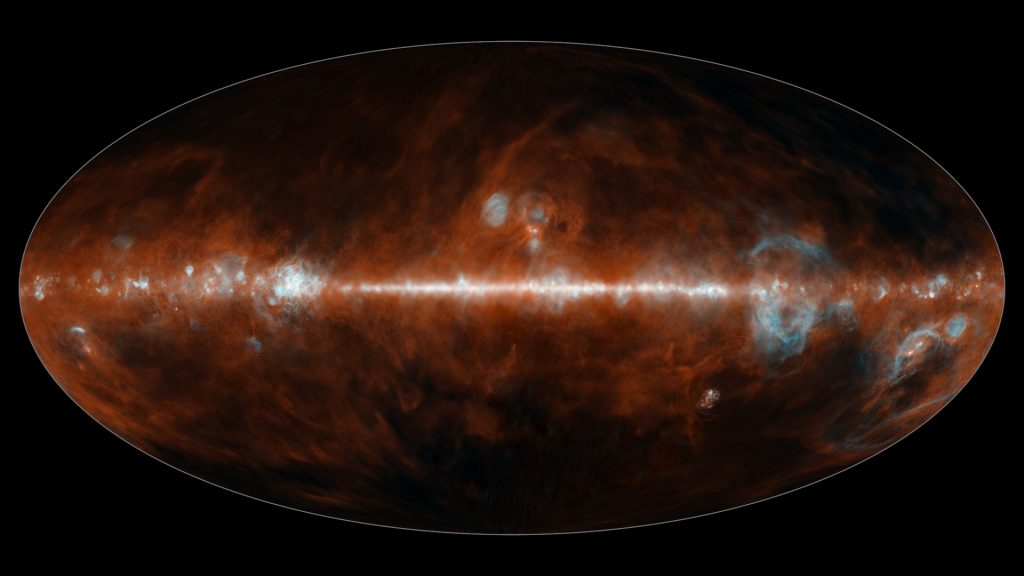
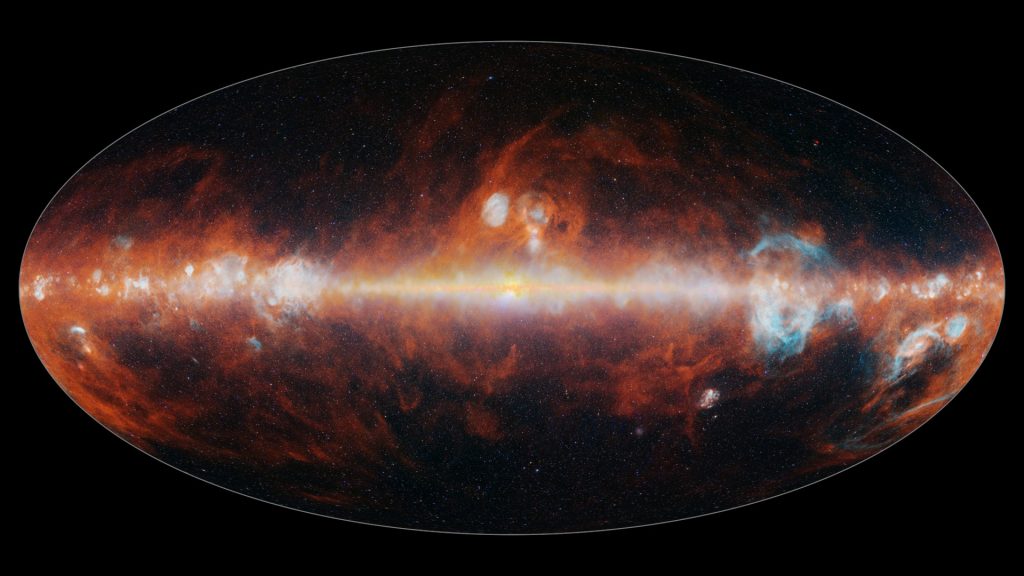
Launched in March, NASA’s SPHEREx space telescope has completed its first infrared map of the entire sky in 102 colors. While not visible to the human eye, these 102 infrared wavelengths of light are prevalent in the cosmos, and observing the entire sky this way enables scientists to answer big questions, including how a dramatic event that occurred in the first billionth of a trillionth of a trillionth of a second after the big bang influenced the 3D distribution of hundreds of millions of galaxies in our universe. In addition, scientists will use the data to study how galaxies have changed over the universe’s nearly 14 billion-year history and learn about the distribution of key ingredients for life in our own galaxy.

“It’s incredible how much information SPHEREx has collected in just six months — information that will be especially valuable when used alongside our other missions’ data to better understand our universe,” said Shawn Domagal-Goldman, director of the Astrophysics Division at NASA Headquarters in Washington. “We essentially have 102 new maps of the entire sky, each one in a different wavelength and containing unique information about the objects it sees. I think every astronomer is going to find something of value here, as NASA’s missions enable the world to answer fundamental questions about how the universe got its start, and how it changed to eventually create a home for us in it.”
Circling Earth about 14½ times a day, SPHEREx (which stands for Spectro-Photometer for the History of the Universe, Epoch of Reionization, and Ices Explorer) travels from north to south, passing over the poles. Each day it takes about 3,600 images along one circular strip of the sky, and as the days pass and the planet moves around the Sun, SPHEREx’s field of view shifts as well. After six months, the observatory has looked out into space in every direction, capturing the entire sky in 360 degrees.

Managed by NASA’s Jet Propulsion Laboratory in Southern California, the mission began mapping the sky in May and completed its first all-sky mosaic in December. It will complete three additional all-sky scans during its two-year primary mission, and merging those maps together will increase the sensitivity of the measurements. The entire dataset is freely available to scientists and the public.

Each frame of this movie shows the entire sky in a different infrared wavelength, indicated by the color bar in the top right corner. Taken by NASA’s SPHEREx observatory, the maps illustrate how viewing the universe in different wavelengths of light can reveal unique cosmic features.
 Credit: NASA/JPL-Caltech

“SPHEREx is a mid-sized astrophysics mission delivering big science,” said JPL Director Dave Gallagher. “It’s a phenomenal example of how we turn bold ideas into reality, and in doing so, unlock enormous potential for discovery.”

Superpowered telescope

Each of the 102 colors detected by SPHEREx represents a wavelength of infrared light, and each wavelength provides unique information about the galaxies, stars, planet-forming regions, and other cosmic features therein. For example, dense clouds of dust in our galaxy where stars and planets form radiate brightly in certain wavelengths but emit no light (and are therefore totally invisible) in others. The process of separating the light from a source into its component wavelengths is called spectroscopy.

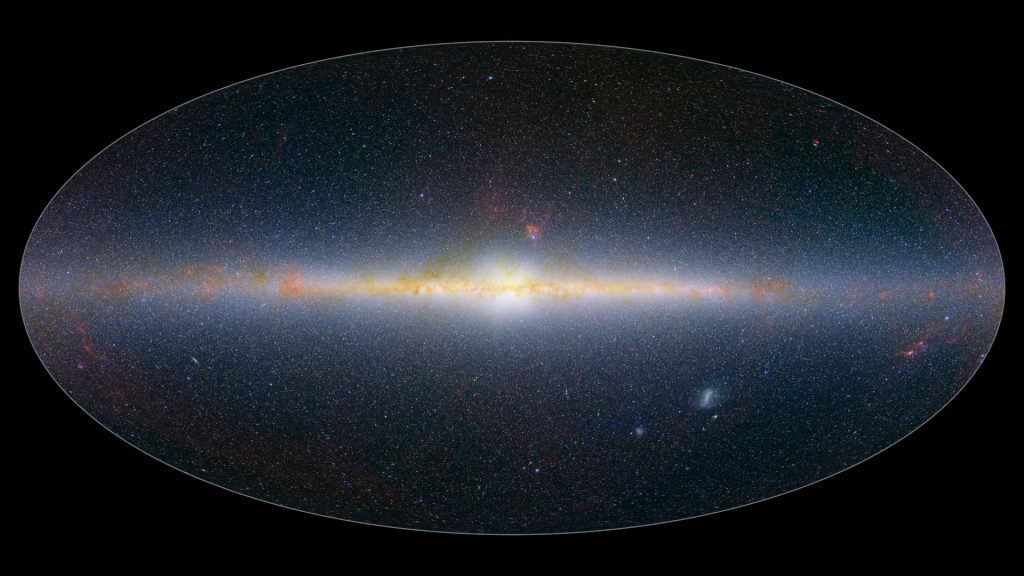
And while a handful of previous missions has also mapped the entire sky, such as NASA’s Wide-field Infrared Survey Explorer, none have done so in nearly as many colors as SPHEREx. By contrast, NASA’s James Webb Space Telescope can do spectroscopy with significantly more wavelengths of light than SPHEREx, but with a field of view thousands of times smaller. The combination of colors and such a wide field of view is why SPHEREx is so powerful.

“The superpower of SPHEREx is that it captures the whole sky in 102 colors about every six months. That’s an amazing amount of information to gather in a short amount of time,” said Beth Fabinsky, the SPHEREx project manager at JPL. “I think this makes us the mantis shrimp of telescopes, because we have an amazing multicolor visual detection system and we can also see a very wide swath of our surroundings.”

To accomplish this feat, SPHEREx uses six detectors, each paired with a specially designed filter that contains a gradient of 17 colors. That means every image taken with those six detectors contains 102 colors (six times 17). It also means that every all-sky map that SPHEREx produces is really 102 maps, each in a different color.

The observatory will use those colors to measure the distance to hundreds of millions of galaxies. Though the positions of most of those galaxies have already been mapped in two dimensions by other observatories, SPHEREx’s map will be in 3D, enabling scientists to measure subtle variations in the way galaxies are clustered and distributed across the universe.

Those measurements will offer insights into an event that took place in the first billionth of a trillionth of a trillionth of a second after the big bang. In this moment, called inflation, the universe expanded by a trillion-trillionfold. Nothing like it has occurred in the universe since, and scientists want to understand it better. The SPHEREx mission’s approach is one way to help in that effort.

More about SPHEREx

The SPHEREx mission is managed by JPL for NASA’s Astrophysics Division within the Science Mission Directorate in Washington. The telescope and the spacecraft bus were built by BAE Systems. The science analysis of the SPHEREx data is being conducted by a team of scientists at 10 institutions across the U.S., and in South Korea and Taiwan. Data is processed and archived at IPAC at Caltech in Pasadena, which manages JPL for NASA. The mission’s principal investigator is based at Caltech with a joint JPL appointment. The SPHEREx dataset is publicly available.

For more information about the SPHEREx mission visit: https://science.nasa.gov/mission/spherex/

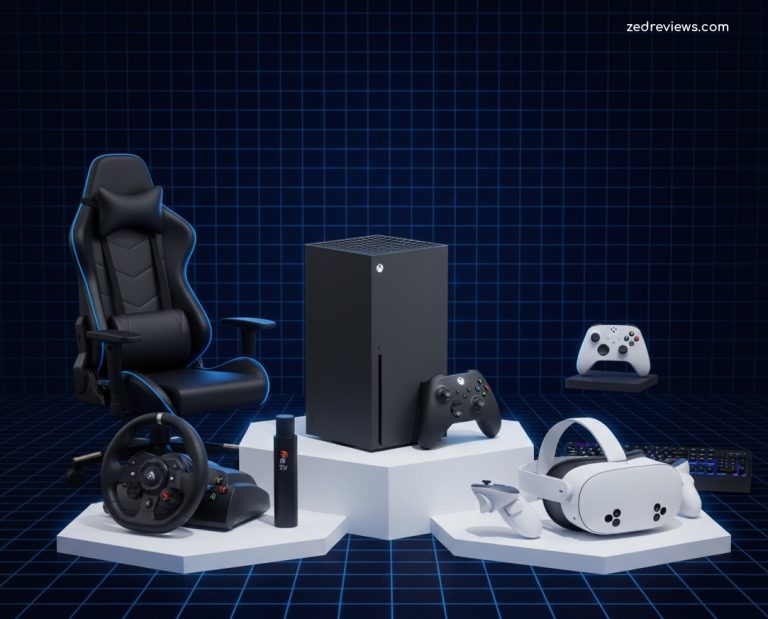
Zed Approves | 12 Gaming Upgrades You Actually Need This Holiday Season

0

Skip the novelty socks. From the VR headset that finally makes sense to the chair that won’t ruin your back, this is the gear worth your wallet’s attention.

If your holiday shopping strategy usually involves panic-buying gift cards on Christmas Eve, consider this your intervention. We’ve curated the definitive list of 12 gaming essentials that strike the perfect balance between performance and price. Whether you are shopping for a Call of Duty devotee, a sim-racing rookie, or just treating yourself (we won’t tell), this is the hardware that actually matters right now.

The Heavy Hitters

Meta Quest 3S (256GB)

Virtual reality has arguably finally hit its “iPhone moment” with the Quest 3S. It replaces the ageing Quest 2, bringing the mixed-reality superpowers of its more expensive sibling (the Quest 3) down to a price that doesn’t make you wince. It’s wireless, fast, and the pass-through cameras let you see your living room so you don’t punch a hole in the TV.

Best for: The person who wants to try VR without selling a kidney.

Xbox Series X

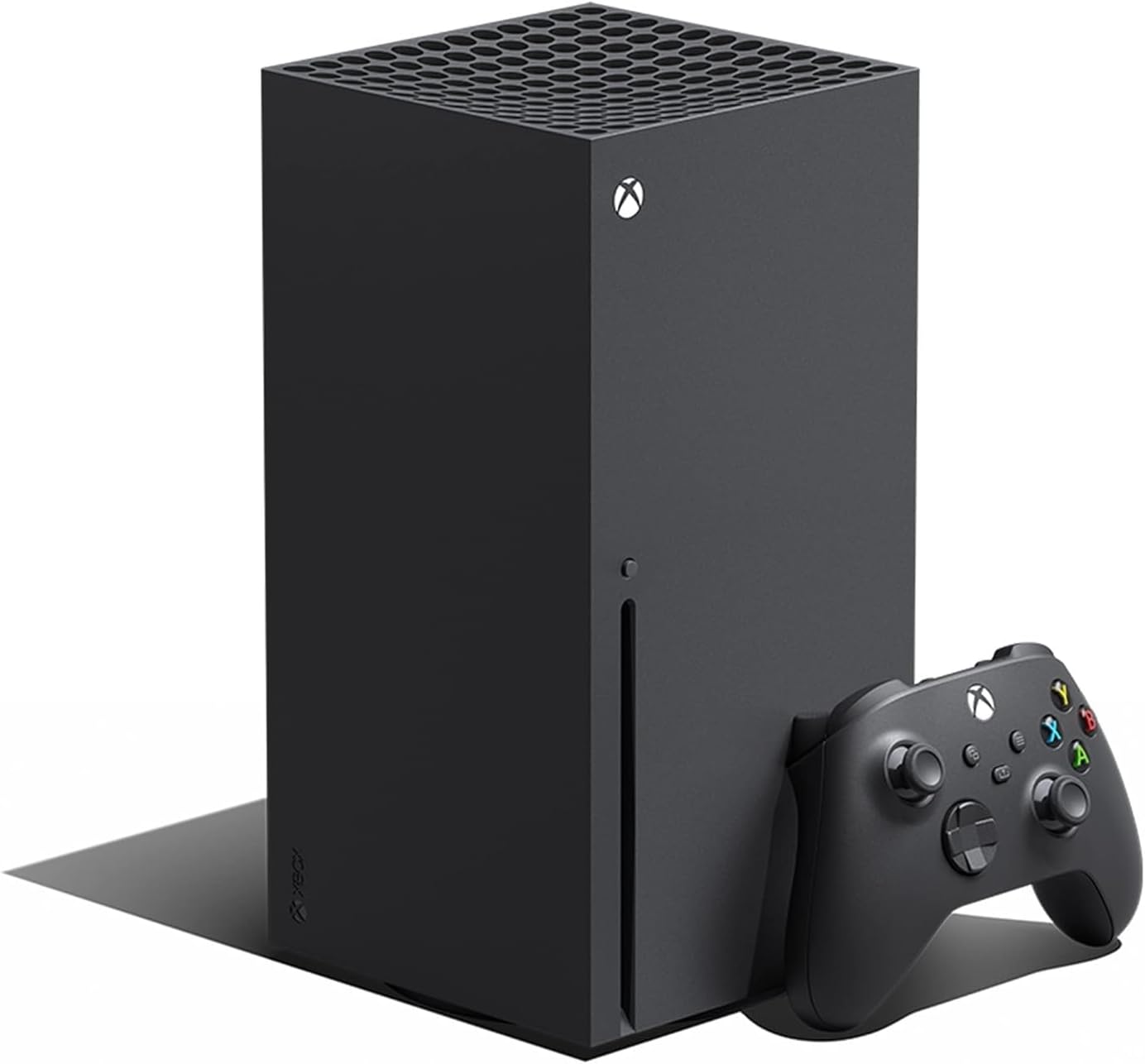
The fridge-shaped monolith is still the most powerful console on the market. If you want native 4K gaming, blistering load times, and access to Game Pass (aka the “Netflix of games”), this is the machine to get. It’s whisper-quiet and looks surprisingly chic next to a TV.

Best for: The pixel peepers who demand the highest graphical fidelity.

Nintendo Switch + Mario Kart Bundle

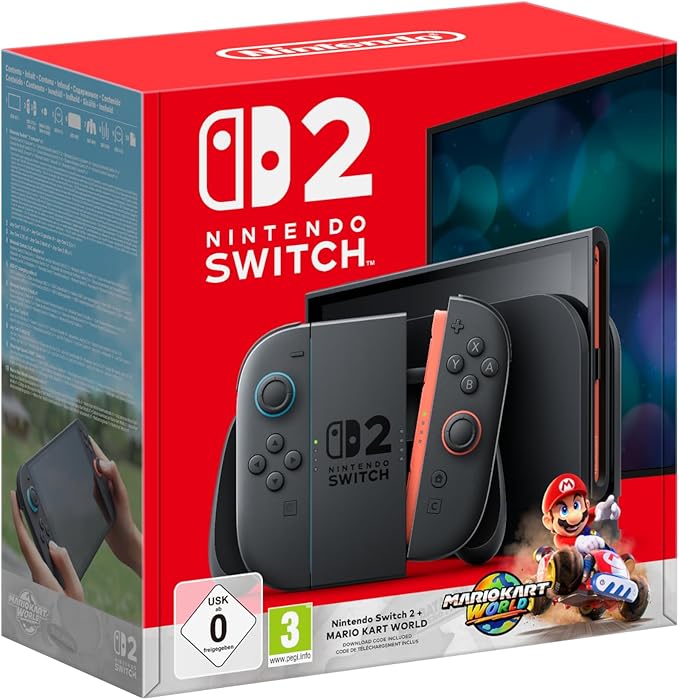
Until Nintendo officially unveils its next-gen console, the OG Switch remains the undisputed king of local multiplayer. This bundle throws in Mario Kart, which is legally required owning for any household. It’s the only console that bridges the gap between 7-year-olds and 70-year-olds.

Best for: Family gatherings and ruining friendships on Rainbow Road.

The Peripherals

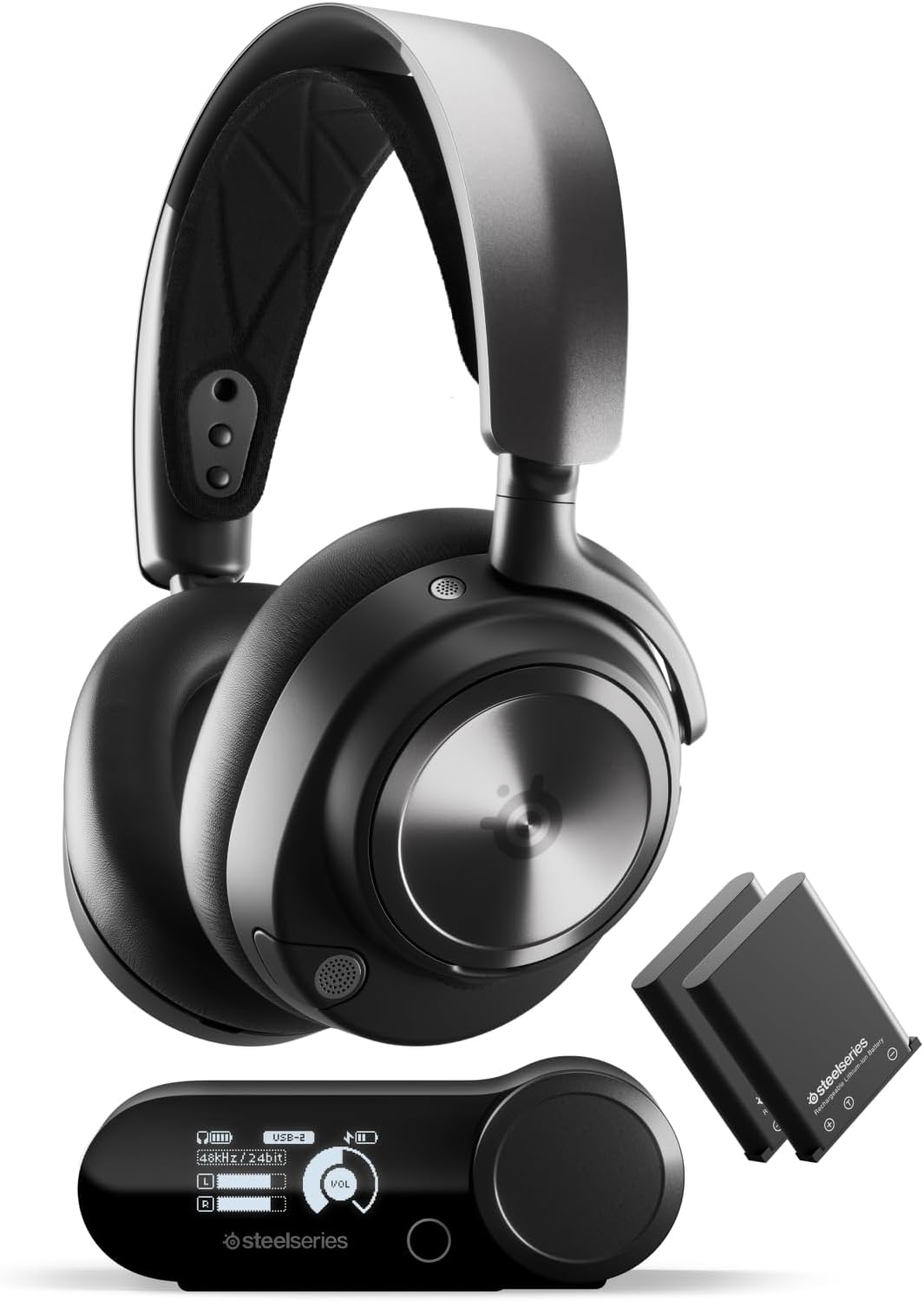
SteelSeries Arctis Nova Pro Wireless

This is widely considered the best gaming headset money can buy, period. The killer feature? It comes with two batteries. One charges in the base station while you use the other, meaning you literally never have to plug the headset in. Add in active noise cancellation and simultaneous Bluetooth (take calls while gaming), and it’s a game-changer.

Best for: The gamer who hates wires and loves winning.

Backbone One PlayStation Edition

Mobile gaming used to be awful. The Backbone fixed it. This controller snaps onto your phone, instantly turning it into a legitimate handheld console. This “PlayStation Edition” mimics the look of the PS5 DualSense and is perfect for streaming games from your console via Remote Play.

Best for: Commuters and anyone trying to finish Final Fantasy in bed.

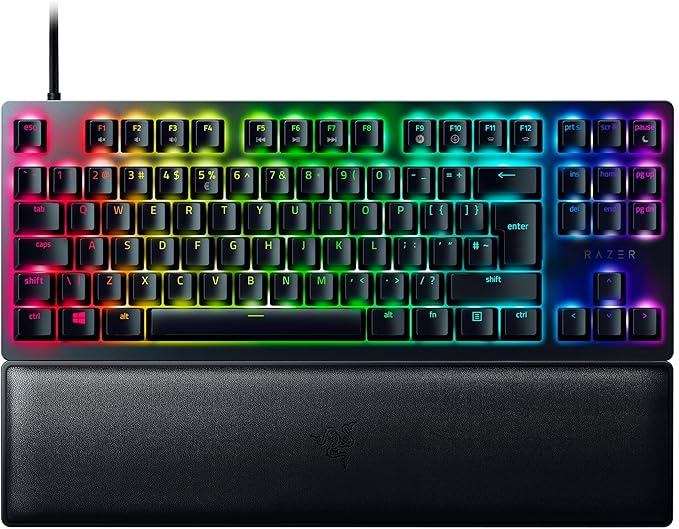
Razer Huntsman V2 TKL (Red Switch)

Big keyboards are out; TKL (Tenkeyless) is in. By chopping off the number pad, you get more room for mouse movement. The Huntsman V2 uses optical switches—meaning they register key presses via light beams rather than physical contact. It’s absurdly fast, quieter than standard mechanical keys, and built like a tank.

Best for: FPS players who need twitch reflexes.

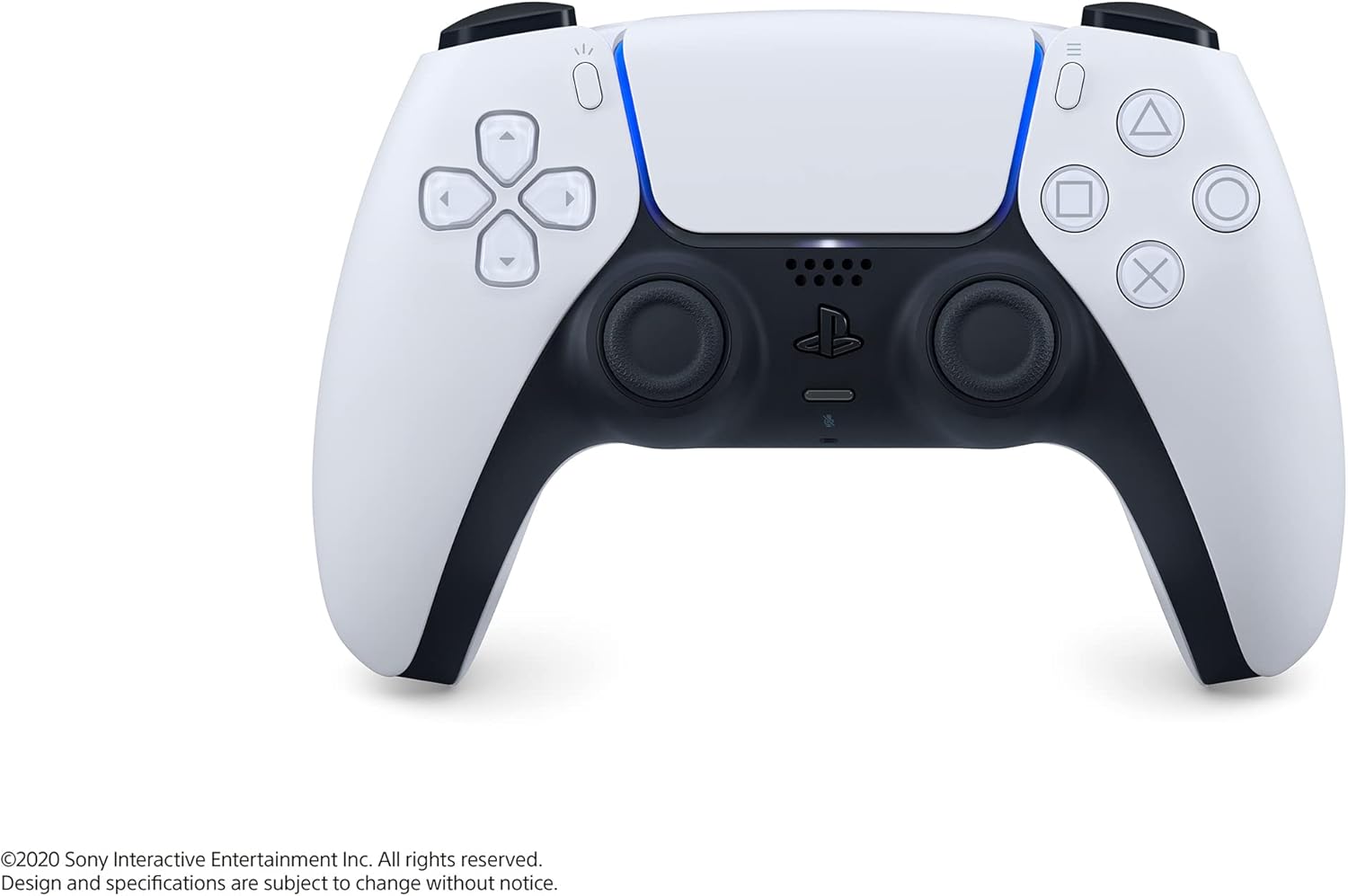
Sony DualSense Wireless Controller

Every PS5 owner eventually needs a second controller (or a replacement for the one they wore out). The DualSense is still a marvel of engineering, with haptic feedback that lets you feel rain droplets and trigger resistance that mimics the tension of a bowstring.

Best for: Player Two.

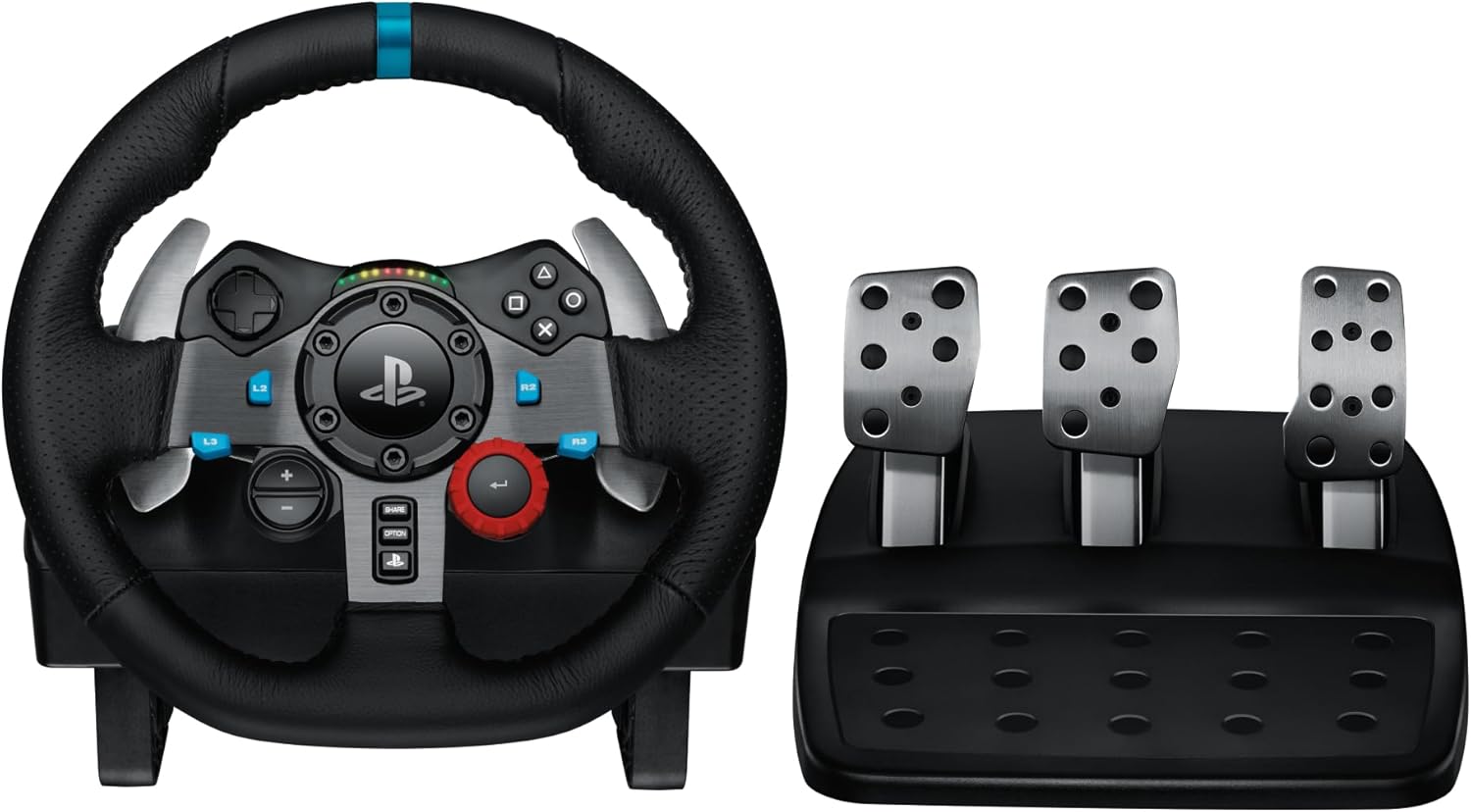
Logitech G29 Driving Force Racing Wheel

Playing Gran Turismo or F1 with a controller is fine. Playing it with a force-feedback wheel is a religious experience. The G29 is the gold standard for entry-level sim racing, offering genuine leather stitching, steel pedals, and strong feedback that lets you feel the road.

Best for: The person who insists they are a better driver than Lewis Hamilton.

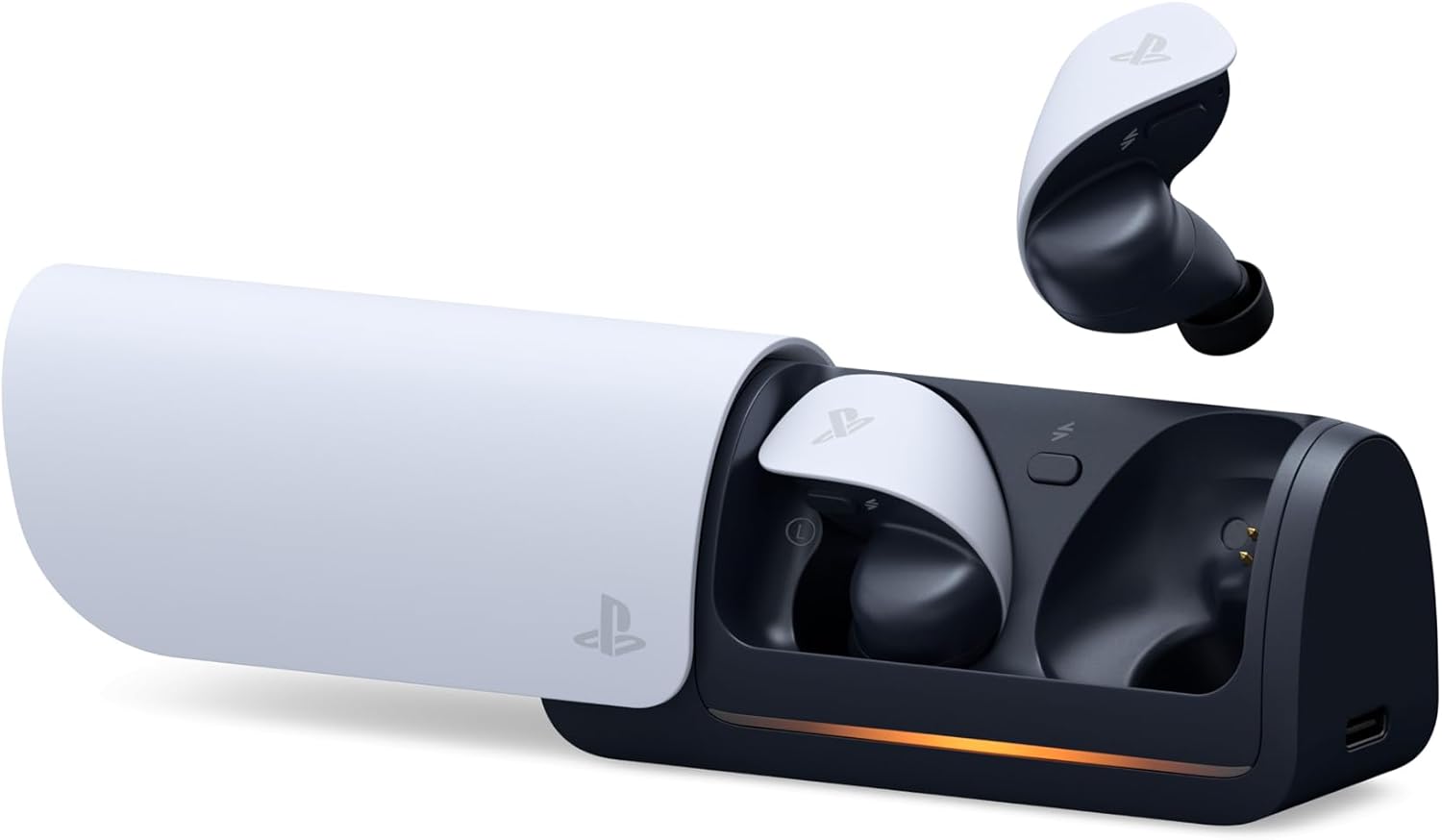
PlayStation Pulse Explore Wireless Earbuds

Sony’s first foray into planar magnetic drivers for earbuds results in incredible, audiophile-grade sound. They connect seamlessly to the PS5 and the PlayStation Portal without lag. They look strange, yes, but the audio clarity is unmatched in the earbud form factor.

Best for: PS Portal owners who don’t want to wear a bulky headset.

The Setup Upgrades

Corsair T3 RUSH Fabric Gaming Chair

Most “gaming chairs” are gaudy PU leather nightmares that peel after a year. The Corsair T3 RUSH uses a soft, breathable fabric that looks like grown-up furniture and doesn’t trap heat. It’s ergonomic, understated, and won’t leave you sweating during a summer marathon session.

Best for: Gamers who care about interior design (and their posture).

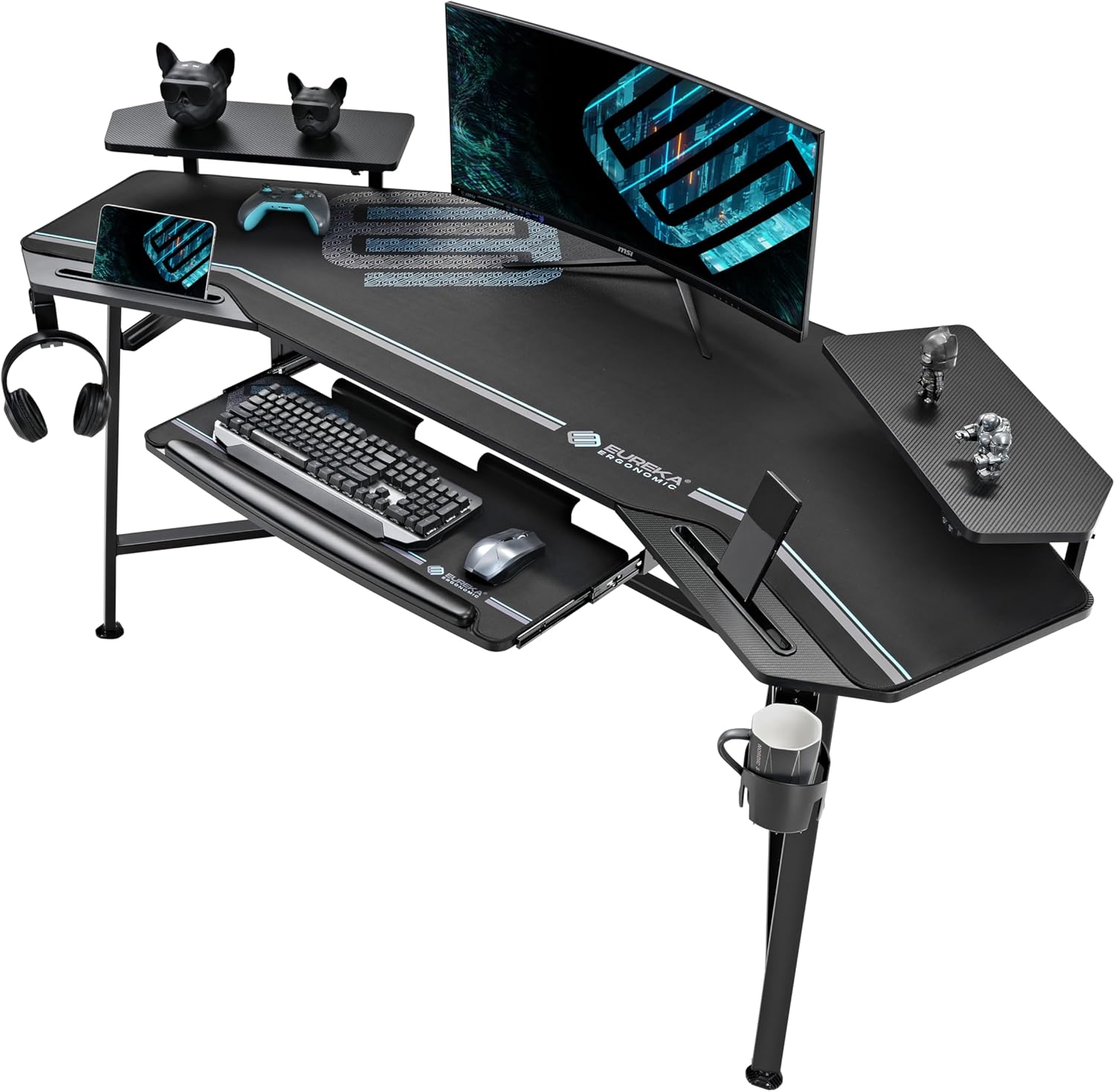
Eureka Ergonomic Aero Gaming Desk (182cm)

You can’t put a triple-monitor setup on a flimsy flat-pack table. The Aero is a beast—nearly 2 meters wide with a wing-shaped design that wraps around you. It’s essentially the aircraft carrier of desks, giving you enough surface area for your PC, consoles, and probably a small pizza.

Best for: The “Battle Station” builder.

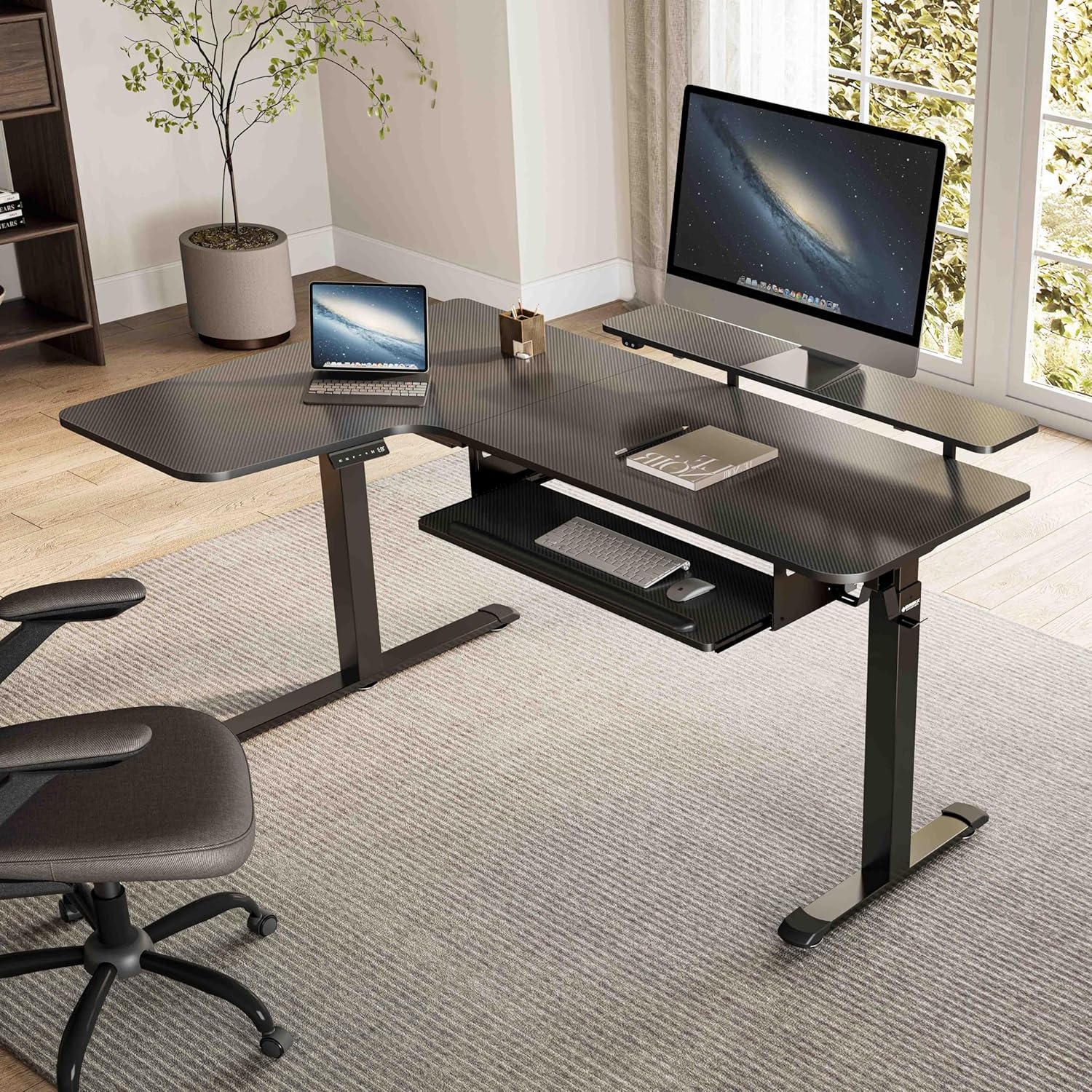
Eureka Ergonomic Electric Standing Desk

Sitting is the new smoking, apparently. This electric desk lets you switch between sitting and standing with a button press, saving your lower back from inevitable ruin. It’s sturdy, dual-motored, and spacious enough to double as a serious work desk by day and gaming rig by night.

Best for: Remote workers who game on their lunch break.

Ultimately, the best gift you can give a gamer isn’t just high-end hardware—it’s the blissful silence that comes with them being completely absorbed in a virtual world for eight hours straight. Whether you’re upgrading your own setup or securing your status as the undisputed favourite relative, these picks are the real deal. Just remember: inventory levels fluctuate faster than a frame rate drop in Cyberpunk, so if you see something you like, we suggest hitting checkout before the shipping deadlines decide it’s game over. Happy gaming.

Zed Approves | The Amazon 50+ Holiday Gift Deals Worth Buying – UK Edition

0

You’ve procrastinated. It’s fine. We’ve all been there. But the algorithm has blessed us with a refreshingly decent crop of discounts this season—from the Apple gadgets that rarely see a price cut to the bulk-buy chocolates that are frankly a festive medical necessity.

So take a look at the curated list we’ve made for the Christmas gift deals to buy for your loved ones or for yourself:

  1. Oral-B iO2 Duo Electric Toothbrushes (2 Pack) — Was £160.00 — 69% Off — Now £49.99
  2. Morphy Richards SpeedSteam Steam Generator Iron — Was £194.99 — 49% Off — Now £99.00
  3. Braun IPL Skin i-Expert — Was £899.99 — 56% Off — Now £396.99
  4. Amazon Fire HD 8 Tablet — Was £99.99 — 55% Off — Now £44.99
  5. Eufy G50 Robot Vacuum Cleaner — Was £168.99 — 41% Off — Now £99.99
  6. Tefal X-Force 12.60 Pet & Car Vacuum — Was £119.99 — 21% Off — Now £94.99
  7. Frameo WiFi Digital Photo Frame — Was £79.99 — 29% Off — Now £56.51
  8. Ninja Double Stack XL Air Fryer with 4 cooking levels — Was £269.99 — 33% Off — Now £179.99
  9. HP Chromebook 14″ Laptop — Was £229.99 — 13% Off — Now £199.99
  10. Philips Sonicare 5300 Series Toothbrush — Was £179.99 — 67% Off — Now £59.99
  11. Breville Barista Max Espresso Machine — Was £461.99 — 35% Off — Now £300.00
  12. Jabra Evolve2 65 Wireless PC Headset — Was £216.00 — 40% Off — Now £129.99
  13. Braun Silk-épil Series 9 Flex 9-481 3D — Was £369.99 — 62% Off — Now £139.99
  14. RUIMEN Smart Watch — Was £39.99 — 40% Off — Now £23.97
  15. Cadbury Dairy Milk Giant Bar (850g) Pack of 2 — Was £36.99 — 8% Off — Now £33.99
  16. JBL Flip 7 Bluetooth Speaker — Was £129.99 — 39% Off — Now £79.00
  17. LEGO Speed Champions Ferrari 512 M — Was £25.00 — 3% Off — Now £24.19
  18. Sony WH-1000XM6 Noise Cancelling Headphones — Was £399.99 — 13% Off — Now £349.00
  19. Amazon Kindle Paperwhite Signature Edition (2024 Release) — Was £264.99 — 10% Off — Now £238.47
  20. Garmin Vívoactive 5 GPS Smartwatch — Was £259.99 — 30% Off — Now £183.99
  21. Celebrations Chocolate Bulk Box (2.4kg) — Was £40.00 — 32% Off — Now £27.15
  22. Shark PowerPro Cordless Stick Vacuum — Was £249.99 — 32% Off — Now £169.99
  23. Finish Ultimate Plus Tablets — Was £19.99 — 15% Off — Now £16.89
  24. Soundcore by Anker P40i Earbuds — Was £59.99 — 43% Off — Now £33.99
  25. Google Pixel 9a Android Phone — Was £499.00 — 30% Off — Now £349.00
  26. Swarovski Hyperbola Hoop Earrings — Was £159.00 — 41% Off — Now £94.30
  27. Xiaomi Mi Smart Band 9 Pro — Was £63.37 — 29% Off — Now £44.99
  28. Apple AirTag — Was £34.64 — 29% Off — Now £24.69
  29. Sienna Hooded Blanket — Was £17.00 — 29% Off — Now £12.00
  30. Amazon Echo Dot Max — Was £99.99 — 20% Off — Now £79.99
  31. Andrex Gentle Clean Toilet Rolls (45 Pack) — Was £22.00 — 27% Off — Now £16.88
  32. Our Place Titanium Pro Cookware Duo – Always Pan & Perfect Pot — Was £275.00 — 9% Off — Now £250.00
  33. Beko CaffeExperto Coffee Machine — Was £499.99 — 48% Off — Now £235.00
  34. Sony WH-1000XM6 Headphones — Was £399.00 — 13% Off — Now £349.00
  35. Duracell Plus AA Batteries (24 Pack) — Was £21.00 — 24% Off — Now £16.00
  36. OCOOPA Rechargeable Hand Warmers (2 Pack) — Was £39.99 — 43% Off — Now £22.99
  37. Amazon Kindle Paperwhite Kids (Newest Gen) — Was £169.99 — 18% Off — Now £139.99
  38. Apple 11-inch iPad (A16 Chip) — Was £329.69 — 6% Off — Now £310.00
  39. Apple AirPods 4 (Standard) — Was £119.00 — 17% Off — Now £99.00
  40. Dyson Airwrap i.d. Multi-Styler — Was £479.99 — 17% Off — Now £399.00
  41. Guinness Nitrosurge Device — Was £30.00 — 33% Off — Now £20.00
  42. Anker Laptop Power Bank, 25,000mAh with Triple 100W USB-C Ports — Was £89.99 — 33% Off — Now £59.99
  43. Echo Spot (newest gen), Smart alarm clock with vibrant sound — Was £79.99 — 44% Off — Now £44.99
  44. Pott’d Home Air-Dry Clay Pottery Kit — Was £59.00 — 34% Off — Now £39.00
  45. Stanley Quencher H2.0 Flowstate Tumbler 1.2L — Was £45.00 — 27% Off — Now £33.00
  46. LEGO Icons NASA Artemis Space Launch System Set — Was £219.99 — 15% Off — Now £186.99
  47. Villeroy & Boch – Toy’s Delight Music Clock Christmas Tree — Was £207.00 — 16% Off — Now £174.09
  48. Strata Men’s Golf Club Set (12-Piece) — Was £330.00 — 8% Off — Now £304.00
  49. Samsung Odyssey G6 27″ Curved Smart Gaming Monitor — Was £316.29 — 37% Off — Now £198.95
  50. Dreo Portable Electric Heater With Timer — Was £64.99 — 37% Off — Now £42.48
  51. Philips Air Fryer 2000 Series 4.2L — Was £79.99 — 38% Off — Now £49.99

Prices correct at time of publication, but this is Amazon, so they may fluctuate faster than your relatives’ mood after the second round of Monopoly.

By: Mary Rose Oh

Zed Approves | 12 Watch Gifts for the Holiday Season

0

A watch is a practical gift that carries both functional and emotional significance. Its functional value comes from its ability to tell time efficiently and, in the case of smartwatches, provide additional features such as health tracking and monitoring. Beyond function, a watch can hold emotional value, becoming a keepsake the longer someone wears and cherishes it.
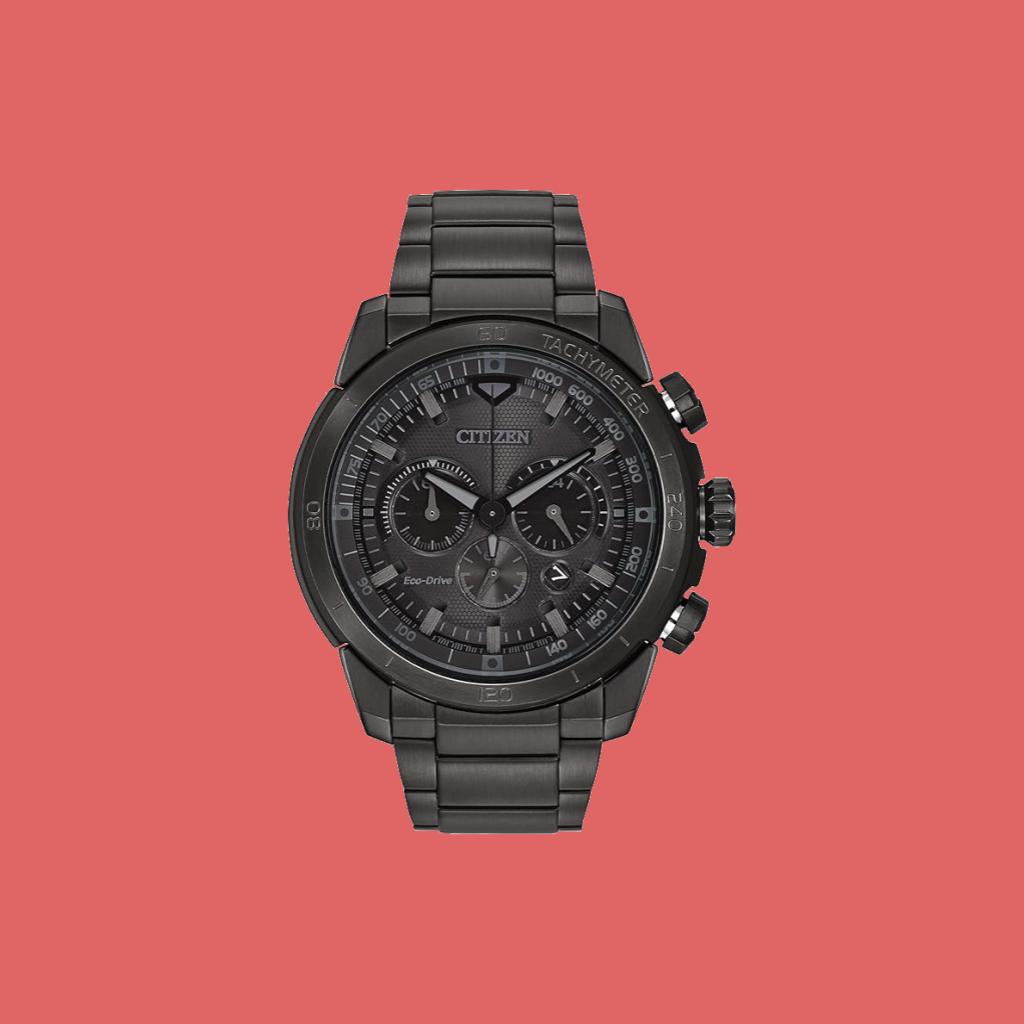
Citizen Men’s Eco-Drive Weekender Ecosphere Chronograph Watch

Citizen Men's Eco-Drive Weekender Ecosphere Chronograph Watch
Citizen Men’s Eco-Drive Weekender Ecosphere Chronograph Watch

Certainly a luxurious item that showcases its grandeur with a sleek, all-black design. It features a tachymeter and chronograph, and offers 100-meter water resistance. The watch is powered by a lithium-ion cell that recharges using light, whether from the sun or artificial sources like desk lamps.

Fossil Men’s Nate Oversized Stainless Steel Chronograph Watch

Fossil Men's Nate Oversized Stainless Steel Chronograph Watch
Fossil Men’s Nate Oversized Stainless Steel Chronograph Watch

The Fossil Men’s watch is another luxury timepiece that features a chronograph, making timing-related tasks easier. It offers functionality similar to the Citizen watch, but with a more simplified design, as the markings are highlighted with larger, clearer text. It is also water-resistant up to 50 meters (165 feet).

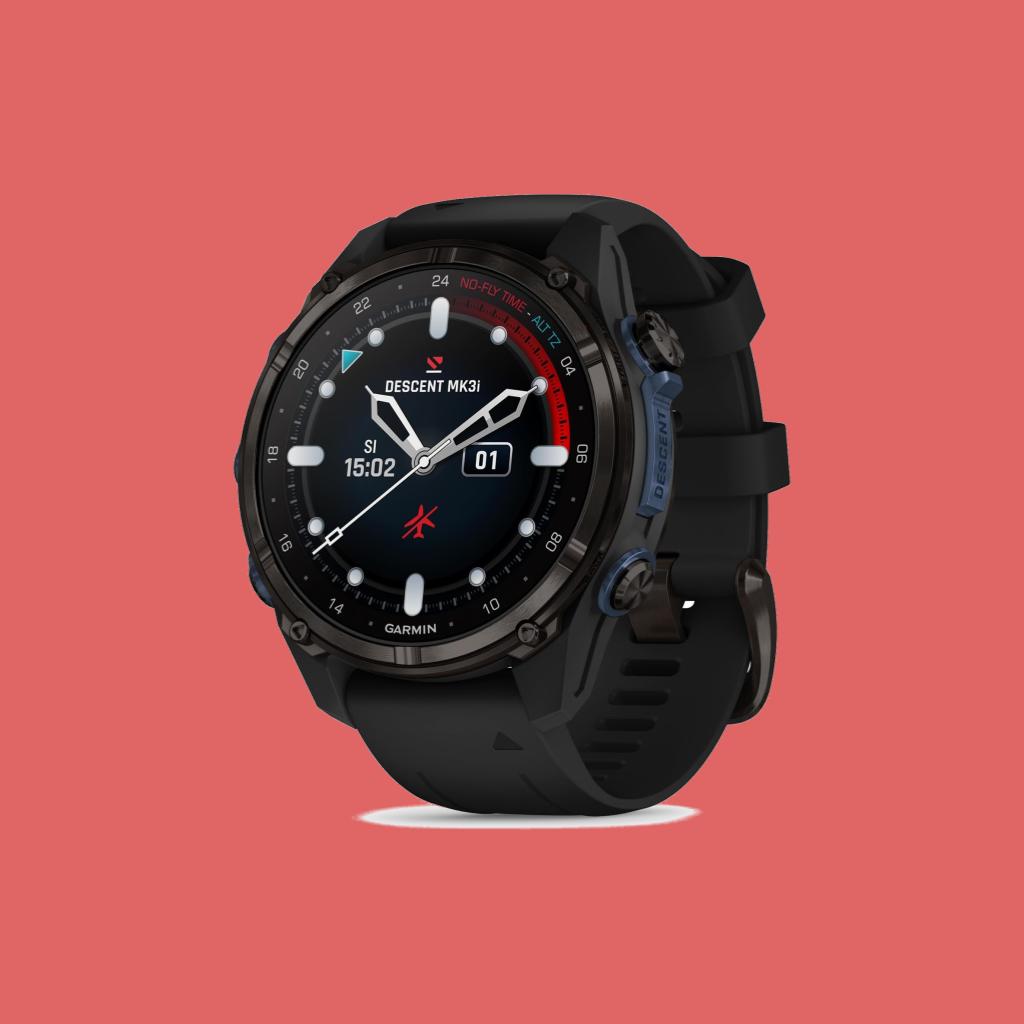
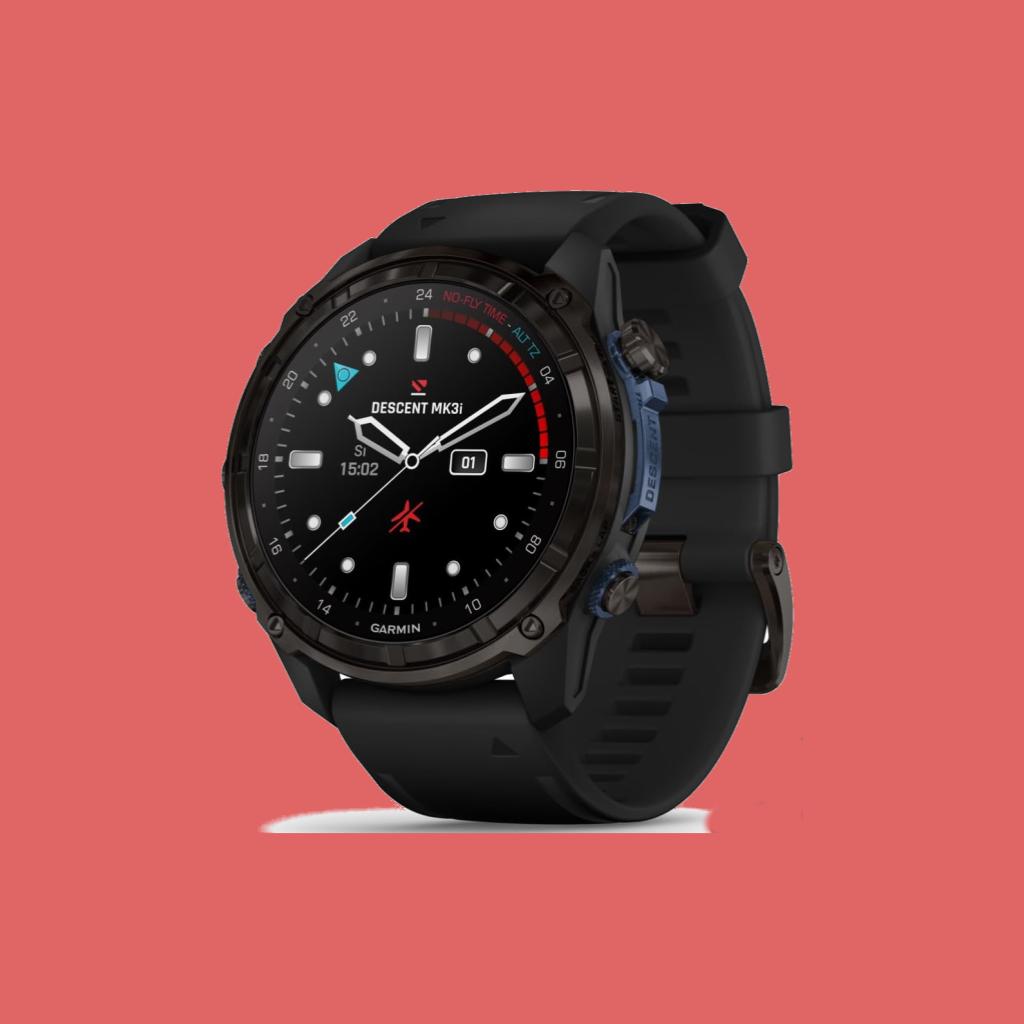
Garmin Descent™ Mk3i

Garmin Descent™ Mk3i

A specialized dive watch, this Garmin model offers advanced features such as SubWave™ sonar technology, which allows divers to exchange preset messages with one another at distances of up to 30 meters. In addition to standard smartwatch features like health monitoring, it includes a built-in underwater compass to assist with navigation while diving.

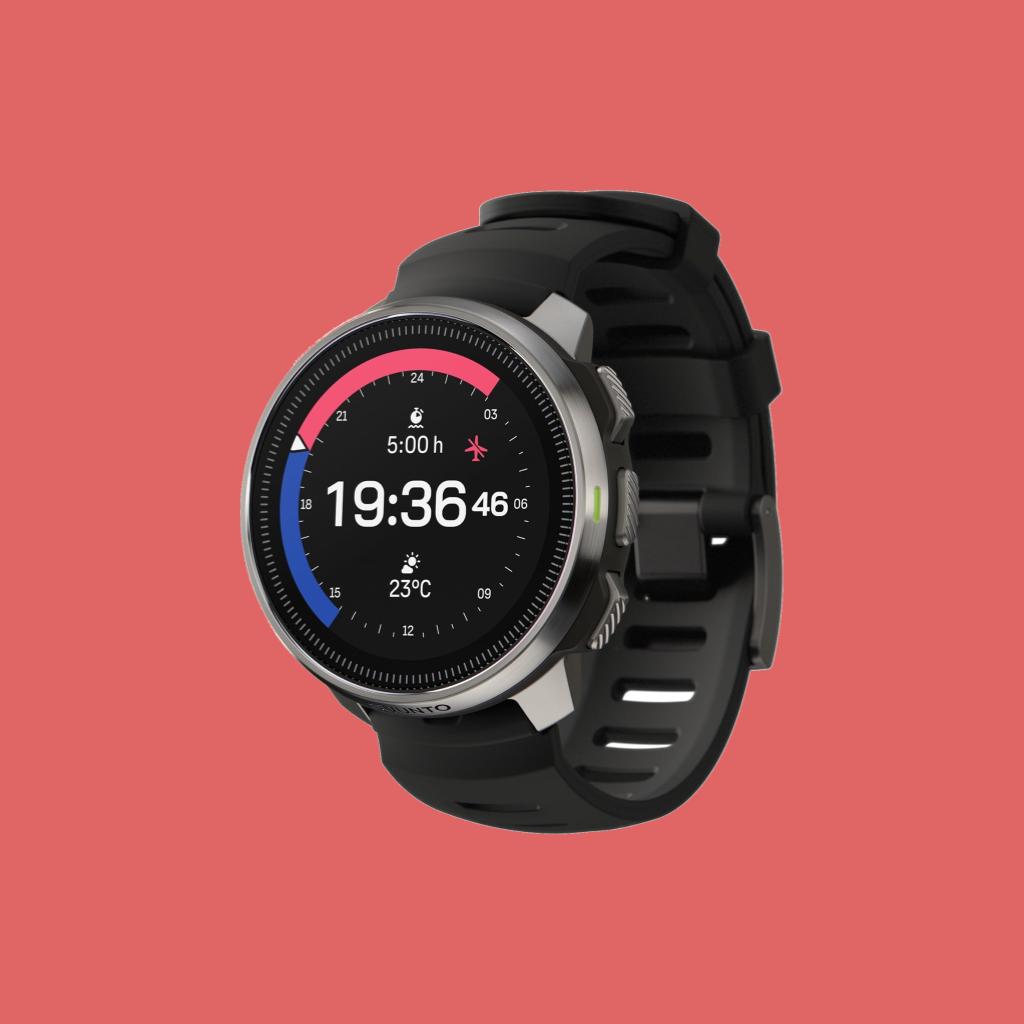
SUUNTO Ocean Dive Multisport Watch

Garmin Descent™ Mk3i
SUUNTO Ocean Dive Multisport Watch

The SUUNTO dive watch is a professional companion for a wide range of diving activities. It offers multiple dive modes, including freediving, snorkeling, and more. The watch features a 1.43-inch vibrant AMOLED touchscreen display and is water-resistant up to 100 meters.

Wearable4U Garmin Descent Mk3 Watch Gift Bundle

Wearable4U Garmin Descent Mk3 Watch Gift Bundle

This Garmin diving watch comes as a gift package featuring the Garmin Descent Mk3 (or MK3i as an alternative) and includes an additional power bank.

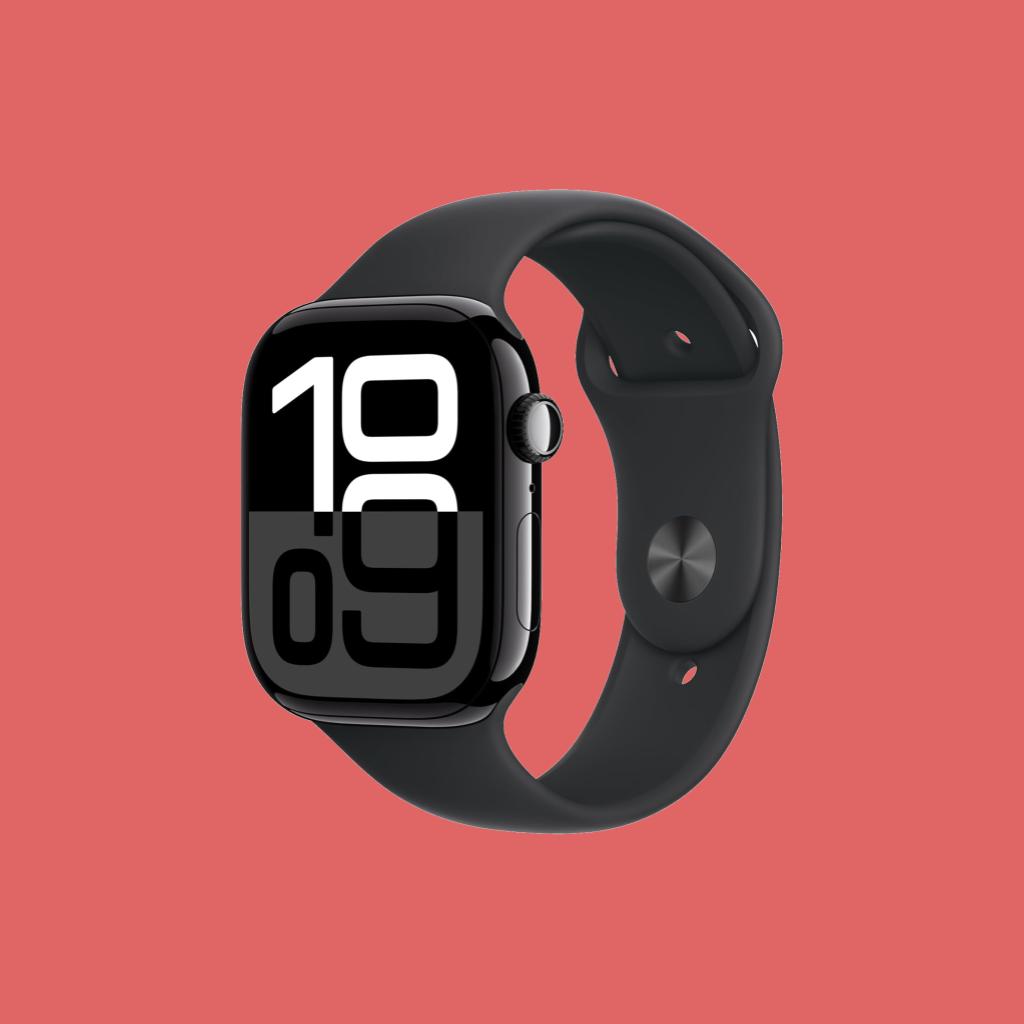
Apple Watch Series 10

Apple Watch Series 10

We all know the quality of Apple products. This gift is especially ideal if the recipient is already using Apple devices. It makes a perfect choice for someone who is a fan or owns products like a Mac, iPad, or iPhone.

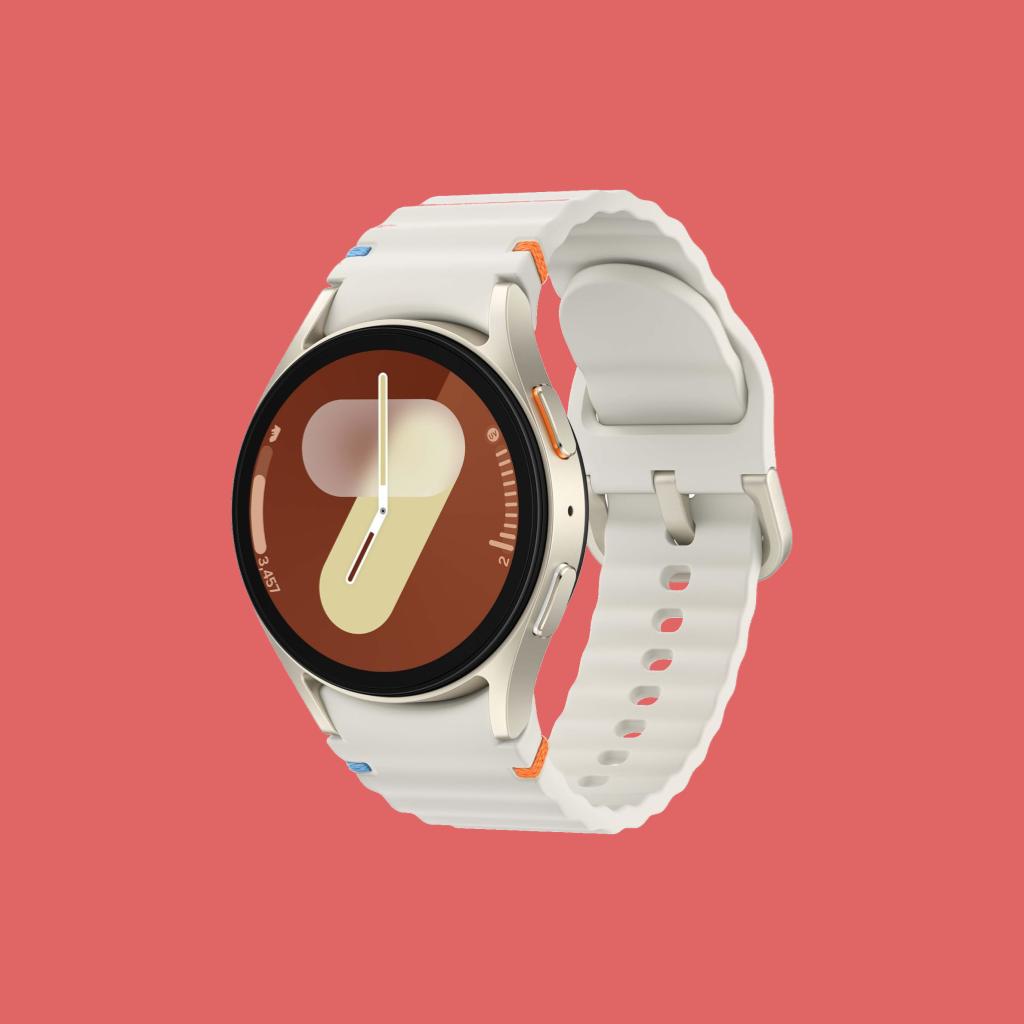
Samsung Galaxy Watch 7

Samsung Galaxy Watch 7

You might think this watch is already outdated since it was released in 2024, but it still offers impressive features for a smartwatch. It supports GPS navigation and the usual health tracking, including heart rate, steps, and sleep monitoring. The watch also features a sleek band design and even allows quick replies to messages.

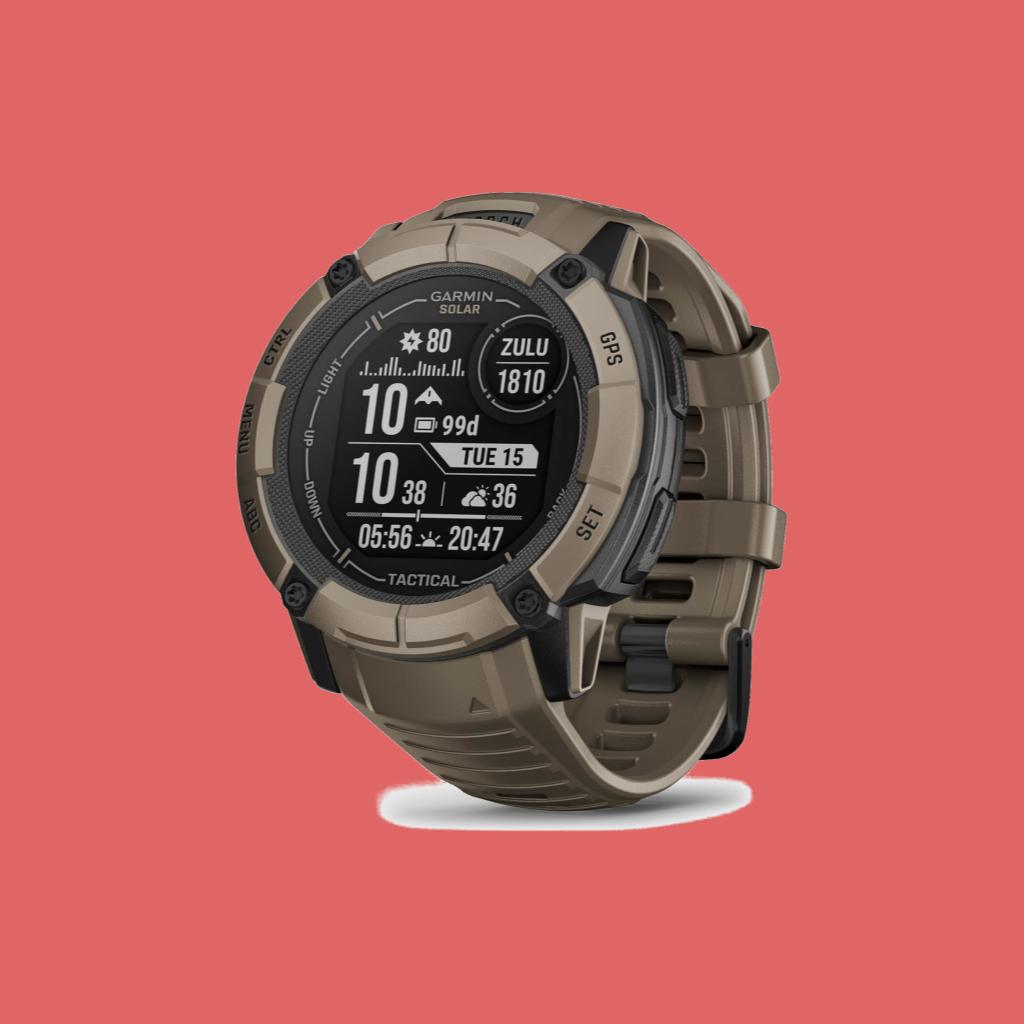
Garmin Instinct 2X Solar

Garmin Instinct 2X Solar

As another smartwatch, it offers the usual health tracking and monitoring features. What sets it apart is its solar charging capability, which is reflected in the name “Garmin Instinct 2X Solar.” On a lighter note, joking aside, it performs well as a smartwatch, with a unique and user-friendly interface that is easy to navigate.

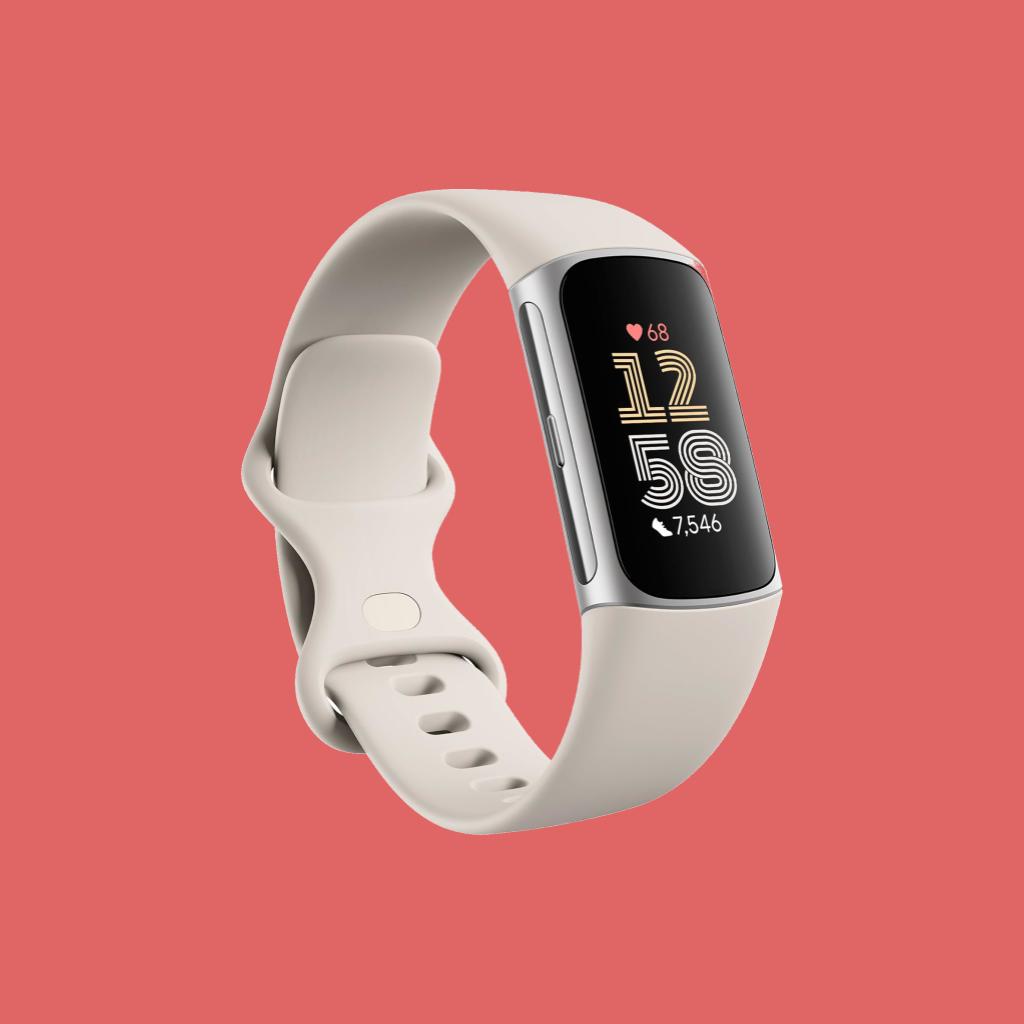
Fitbit Charge 6

Fitbit Charge 6
Fitbit Charge 6

If health monitoring is your priority and you use Android, this watch comes highly recommended. It is relatively affordable and focuses strongly on the health and fitness aspects of smartwatches. It tracks common health metrics such as heart rate, blood oxygen, sleep, and stress levels, and provides derived data during exercises, including calories burned.

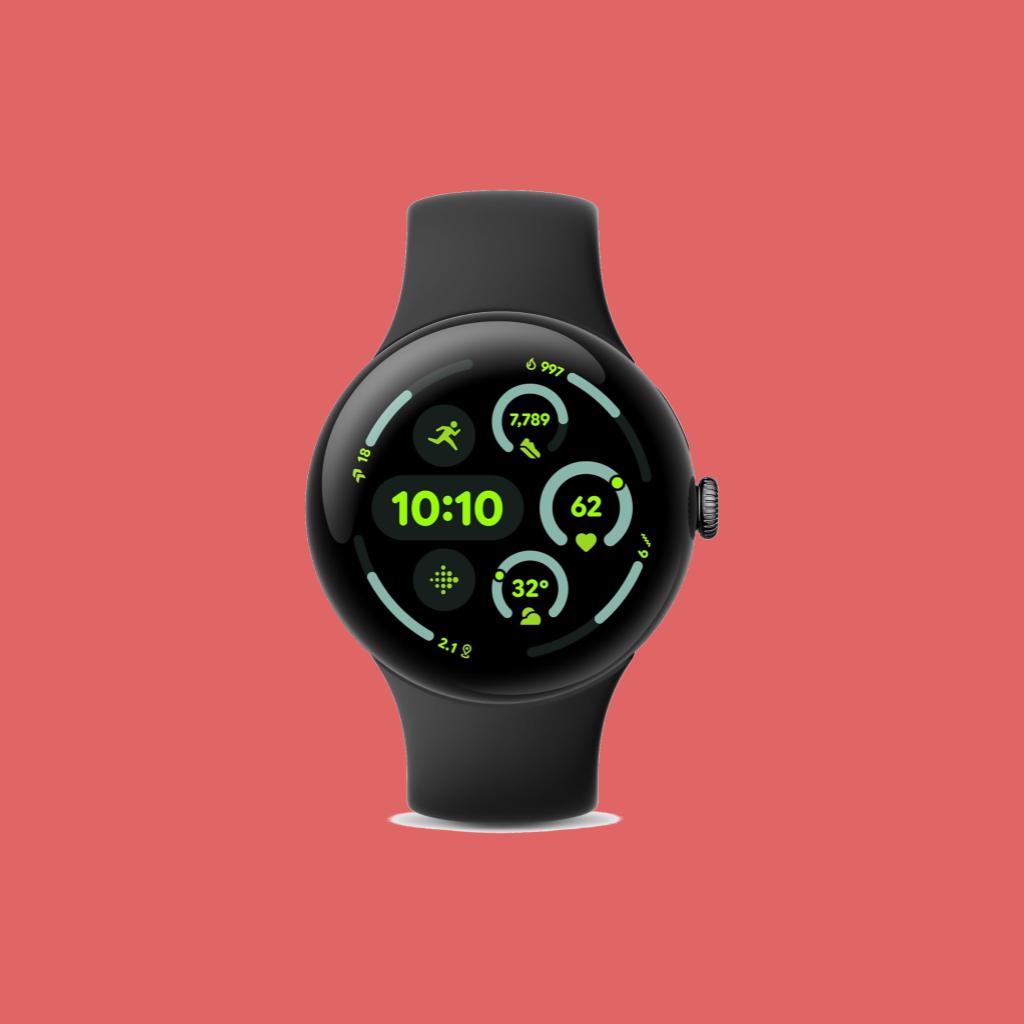
Google Pixel Watch 3 (2024 Model)

Google Pixel Watch 3 (2024 Model)

This can be considered an upgraded version of the Fitbit model in this list. It features a larger screen, with the display size increased by more than 50%.

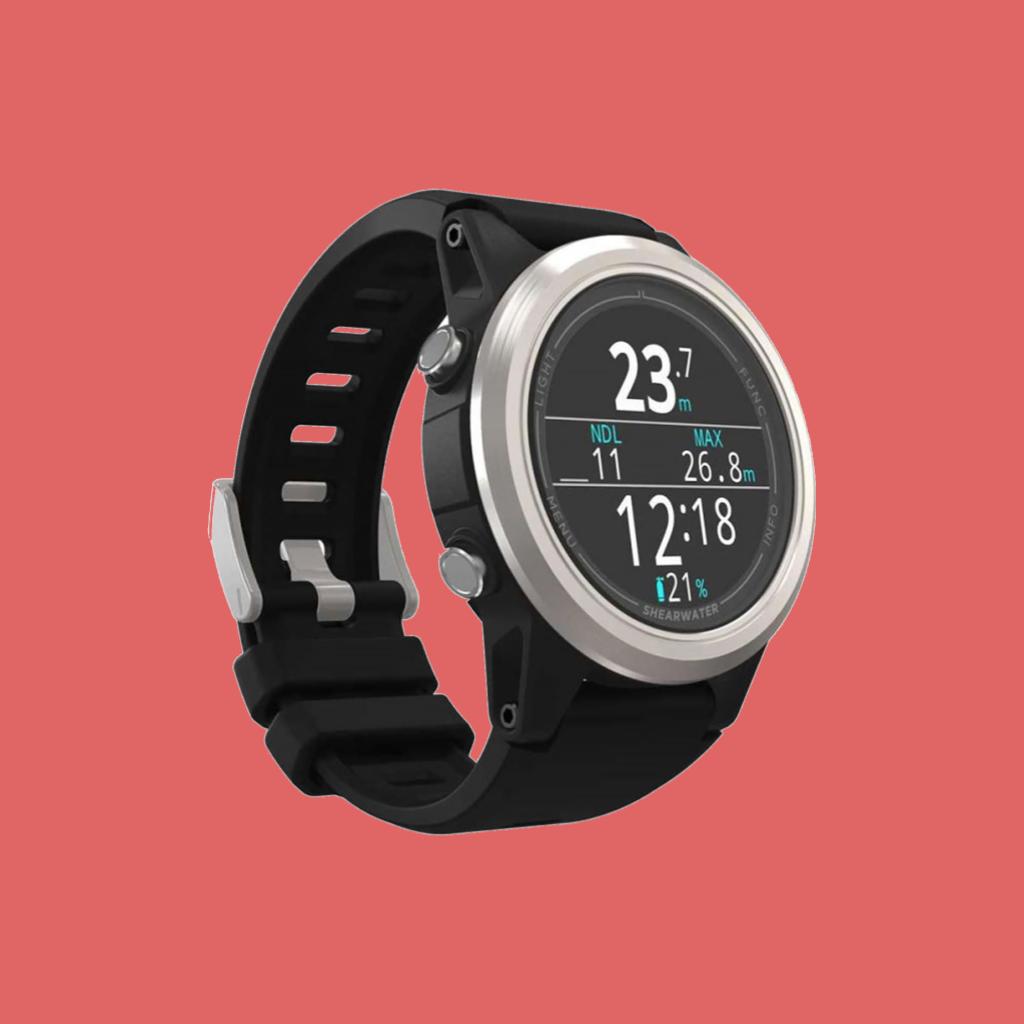
Shearwater Research Tern Dive Computer

Shearwater Research Tern Dive Computer

Technically, it is still a smart watch, but this one truly specializes in diving. It is designed for depths of up to 120 meters, offering a more extensive and immersive diving experience.

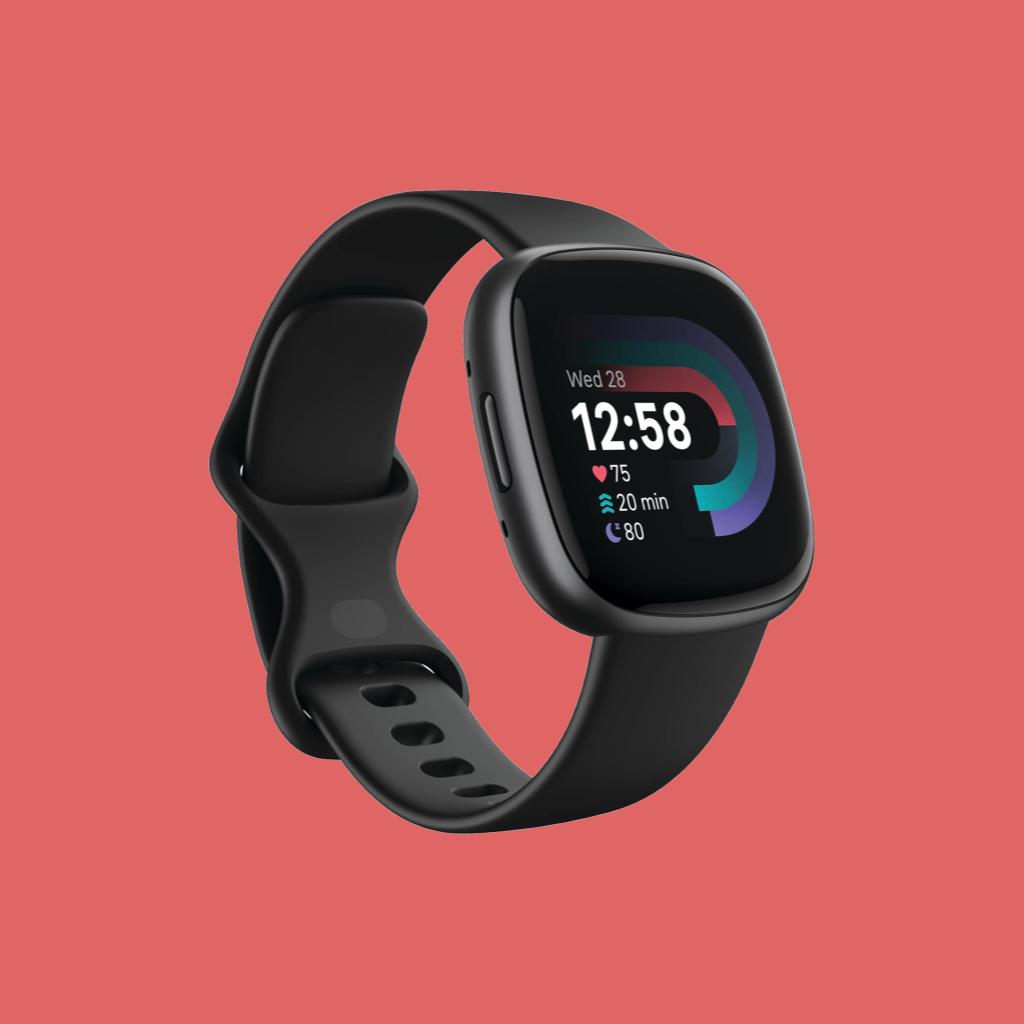
Fitbit Versa 4 Fitness Smartwatch

Fitbit Versa 4 Fitness Smartwatch

Compared to the Fitbit Charge 6, the Fitbit Versa 4 offers a larger display and additional features for managing messages and notifications. The bigger screen clearly enhances its capabilities. It remains a strong health-tracking smartwatch, particularly specialized in activity monitoring.


Student life is busy enough without hassles like paying for shipping. That’s why Amazon Prime Student is a must-have for you. For just $14.99 $7.49/month, Prime Student gets you free two-day shipping on over 100 million items, unlimited photo storage, exclusive deals, and more. Better still, it comes with a six-month free trial so you can make sure Prime Student fits your lifestyle. Join today to take advantage of membership benefits and perks tailored specifically for students! Click here to sign up now.

Originally published at: zedreviews.com