
Home Blog Page 16

A Nescafe Minute. An Ally For Getting Through My Day.

0

Come over at GoSwifties.com

We live in a moment – not even a time worthy of being called an age, eon, or era yet – where the human spirit of creativity and imagination is under threat to the guile of uncertain provenance.

There is, sort of, a need to defend the artist’s creation against the overarching proxy of the machine: words, melodies, strokes of the brush, the gentle bashing of the hammer, the mind’s eye, the song of the soul…

Tools. Aids. Enablers. Wands. Staffs. Elixirs. But not, the art, the object, the outcome, the discipline, the practice, and the performance.


clouds roll in quickly
heart longs for warm coffee cup
rain falling happy


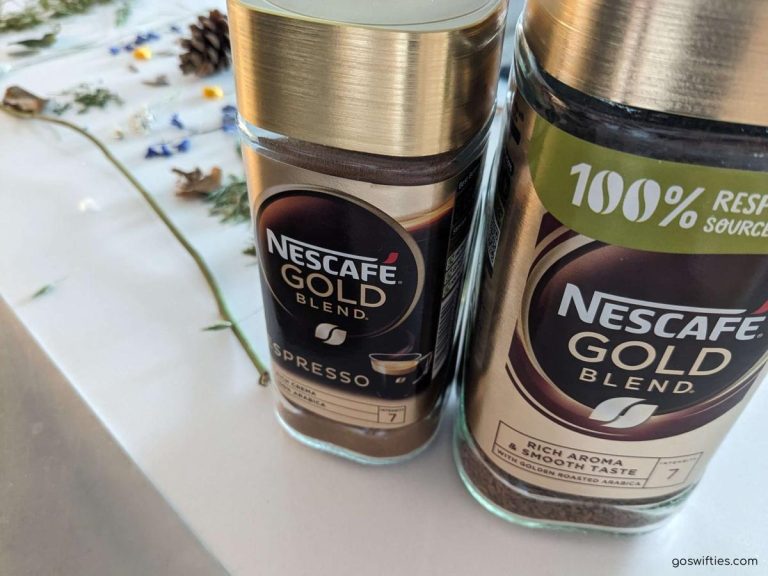
A decade long escape for me has been my Nescafe minute. At home, at work, or at large, those who know me, knows this often ridiculed vice; a cheap concoction they say; too many chemicals unlike the drip kind; lacks the body of true coffee done with espresso.

goswifties_nescafe-minute_20240514

So what! It awakens the morning dew or the morning sun. It keeps me going through mid-mornings and in-between ‘proper’ coffee or tea. It extends whatever ember of inspiration or intellect or strength to carry on almost every night.


So here’s to you, Nestle! Thank you!

As you continue your evolution with Nespresso, may you never falter offering what most deem cheap or fake. It remains the stuff dreams need to keep going for the rest of us; it is what makes it true.

And here’s to you, the authentic stuff. Yes, you are the real deal; every now and then or often, I will. But do not take from me simple comforts. Tell your fanbase: while you drive the energies of chatter in cafe and offices, the world ran by simpletons like us, need the stuff within easy ways and reach.

goswifties_coffee-real-deal_20240514

And here’s to you, just for today, a willy nilly made nibble, better had now than the pizza 45 minutes later or the Michelin meal 3 hours from now. Another haiku, just for you.

goswifties_cheese-quesadilla_20240514

cheddar cheese slices
warmed between tortilla bread
power snacks for dreams


And here’s to you, Taylor! You saved 2023 and 2024 from the doom that did not happen (maybe not yet), wrought by the seeming existential threat of AI by prophets of technology.

And here’s to you, the Swiftie, you belong to humanity, for humanity; proving humanity still longs for simple community, love, passion, and soul.

Carry on…


Disclaimers, of course: Written without GenAI LLM; all me and Nescafe. Any errors, attribute to the sleepy monkey in my head. Writing this, while still sending emails, setting up meetings, calls here and there, running code/package deployments for clients, and just every other every day things to be grafetul for. (wink).

Originally published at: GoSwifties.com

Maximise Your Festival Fun. A Complete Guide To Perfect Preparation.

0

Come over at GoSwifties.com

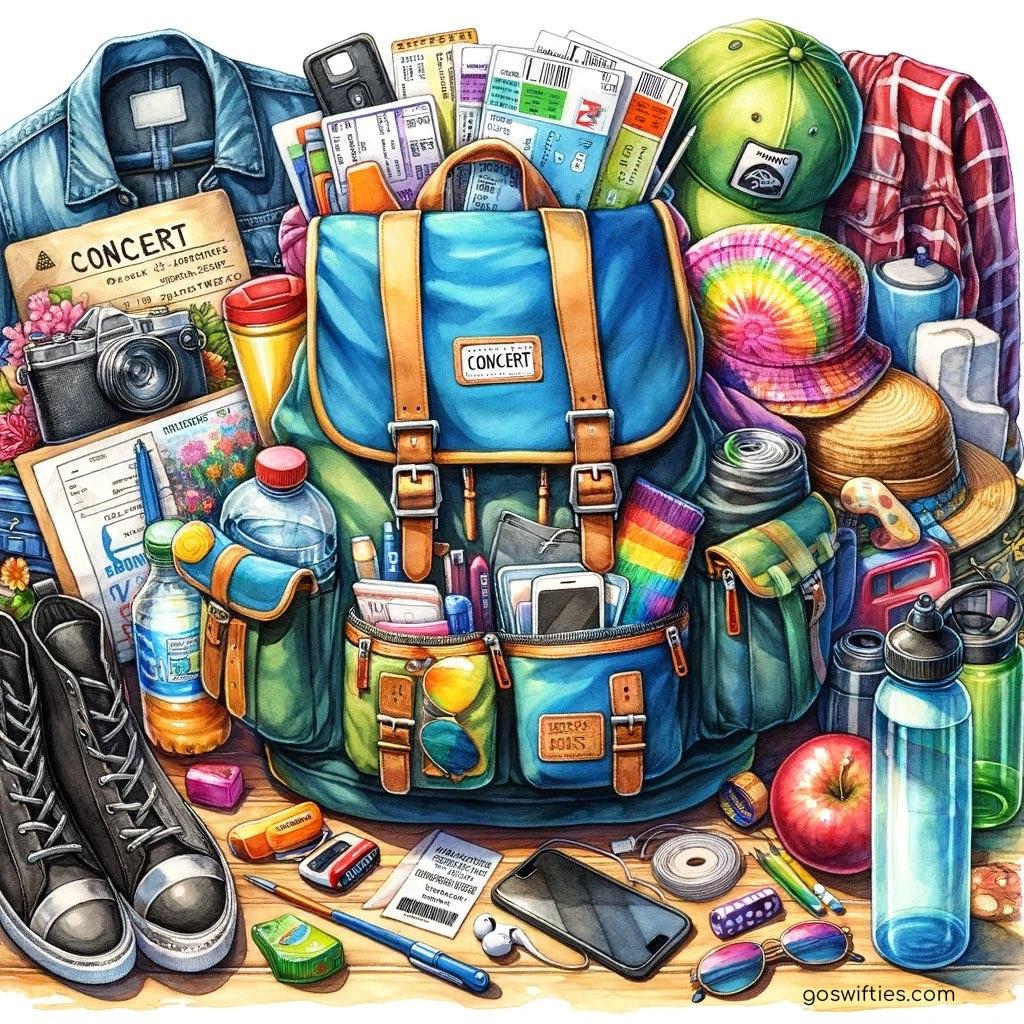
Gear up for an unforgettable festival or concert experience with our essential preparation guide! From securing your tickets to packing the right gear, we cover all the bases so you can enjoy the music and festivities without a hitch. Get ready to dance, sing, and make memories; just follow these tips to ensure you are perfectly prepared for every beat and tune.

goswifties_concert-prep-colour_20240513_wm

1. Tickets And ID.

Double-check that you have your tickets and any required identification.

2. Clothing And Footwear.

Wear comfortable clothing and shoes suitable for the weather and event type. Layering is useful for fluctuating temperatures.

3. Packing Essentials.

Bag.

A small, secure bag for your essentials.

Water.

A refillable water bottle if allowed.

Sun Protection.

Sunscreen, sunglasses, and a hat.

Rain Gear.

Poncho or waterproof jacket if rain is forecasted.

Earplugs.

To protect your hearing, especially for concerts.

Phone Charger.

A portable charger to keep your phone charged.

Cash And Cards.

Some vendors might only accept one form of payment.

Identification And Emergency Info.

In case of any issues.

4. Food And Drinks.

Pack snacks and water if allowed, or check if food vendors are available.

5. Transportation.

Plan your route and parking in advance, considering public transportation if possible.

6. Meeting Spot.

Arrange a meeting point in case you get separated from your group.

7. Festival/Concert Rules.

Review the event’s guidelines for prohibited items and behaviors.

8. Health And Safety.

If you have allergies or medical conditions, carry necessary medications.

9. Event App or Guide.

Download the event’s app or bring a guide to plan your schedule.

10. Plan Ahead.

Be aware of set times, restroom locations, and first aid stations.

Originally published at: GoSwifties.com
Paris Unveiled. The Ultimate Guide To Exploring The City Of Light.

0

Come over at GoSwifties.com

Plan your After ERAS Concert Shake It Off Tour Ideas Of Paris.

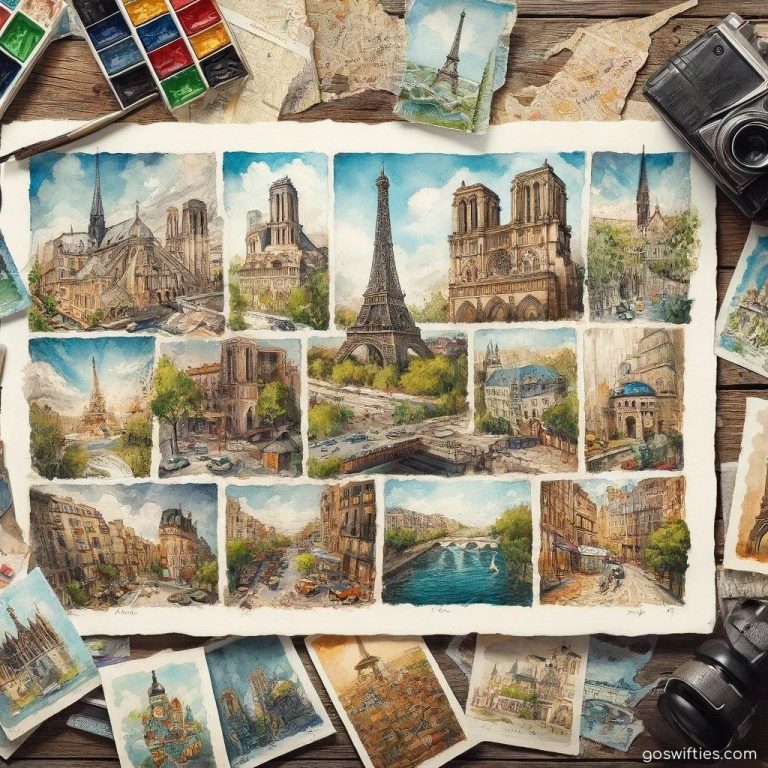
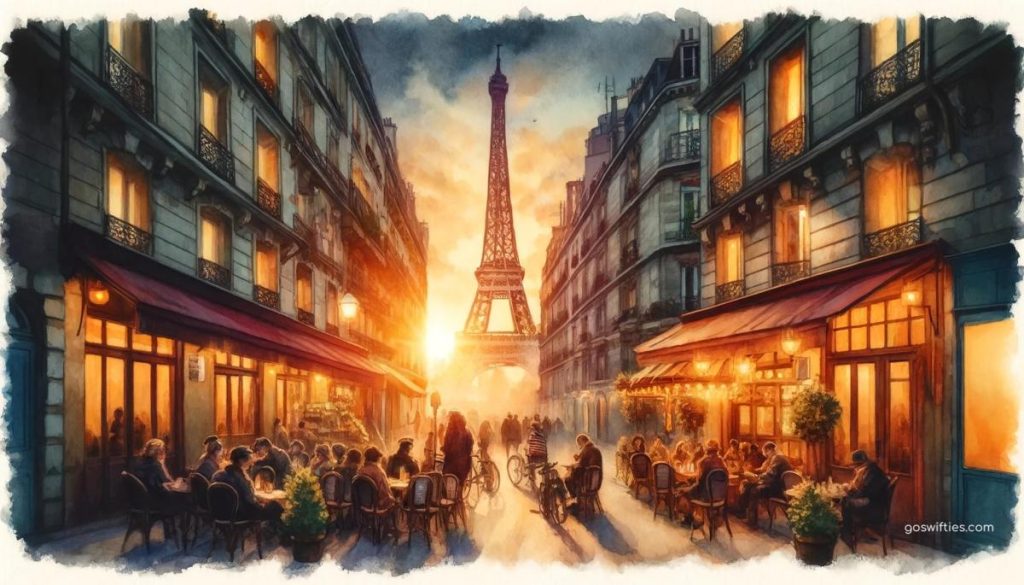
Paris, the enchanting ‘City of Light,’ captures the hearts of visitors with its historical treasures, artistic marvels, and vibrant neighbourhoods. Whether it’s savouring a pastry by the Seine, wandering through Montmartre’s charming streets, or basking in the glow of the Eiffel Tower, this guide brings you the finest experiences that make Paris an irresistible global destination.

goswifties_eiffel-cafes_20240512_wm

Historical And Cultural Attractions.

1. Eiffel Tower.

Visit the iconic tower for breathtaking views of the city, especially from its upper levels.

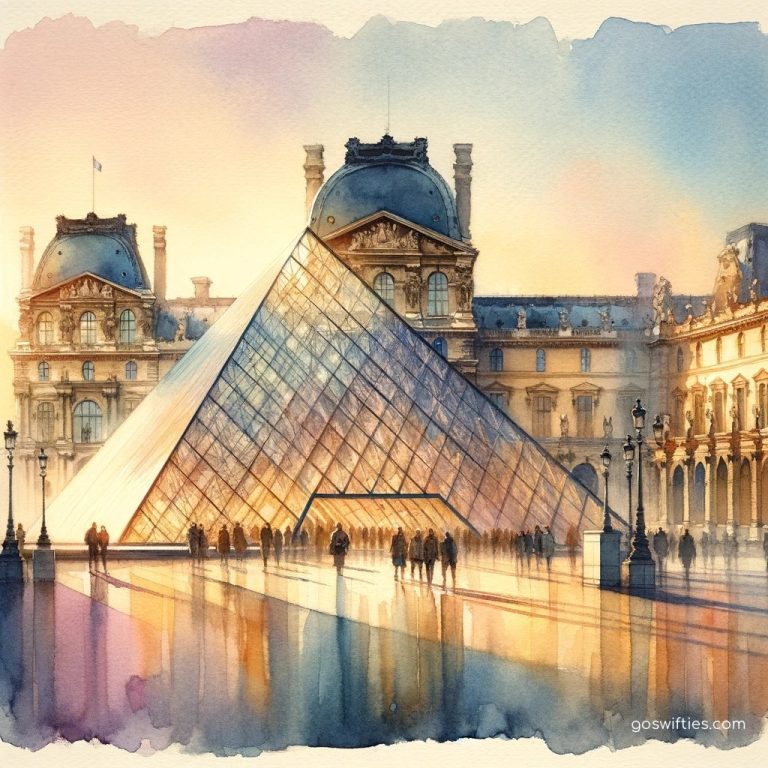
2. Louvre Museum.

Explore one of the world’s largest art museums, home to the Mona Lisa and countless other masterpieces.

3. Notre-Dame Cathedral.

While under restoration, the cathedral remains a landmark with its Gothic architecture and historic significance.

4. Musée d’Orsay.

Famous for its extensive collection of Impressionist and Post-Impressionist art.

5. Sainte-Chapelle.

Admire the stunning stained glass windows in this Gothic chapel on the Île de la Cité.


Neighbourhoods And Landmarks.

1. Montmartre.

Walk through this historic hilltop neighbourhood, known for its artists, Sacré-Cœur Basilica, and charming streets.

2. Le Marais.

Wander through this trendy district, known for its historic architecture, museums, and vibrant LGBTQ+ community.

3. Latin Quarter.

Explore the historic area near the Sorbonne University, known for its student life and medieval architecture.

4. Champs-Élysées And Arc de Triomphe.

Stroll along this famous avenue and visit the iconic arch at its western end.


Shopping And Markets.

1. Boulevard Haussmann.

Visit the Galeries Lafayette and Printemps department stores.   

2. Rue du Faubourg Saint-Honoré.

A high-end shopping street known for luxury boutiques.

3. Les Puces de Saint-Ouen.

One of the largest flea markets in the world, perfect for antiques and vintage finds.


Parks And Gardens.

1. Jardin du Luxembourg.

A beautiful garden with sculptures, fountains, and the Luxembourg Palace.

2. Jardin des Tuileries.

A historic garden between the Louvre and Place de la Concorde.

3. Bois de Boulogne.

A vast park offering boating, cycling, and the serene Jardin des Serres d’Auteuil.


Unique Experiences.

1. Seine River Cruise.

Enjoy a boat tour along the Seine to see the city’s landmarks from the water.

2. Paris Catacombs.

Explore the underground ossuary housing the remains of over six million people.

3. Moulin Rouge.

Experience the famous cabaret show in Montmartre.

4. Opéra Garnier.

Visit this historic opera house for a guided tour or a live performance.


Culinary Delights.

1. Cafés And Bistros.

Experience Parisian café culture at iconic spots like Café de Flore.

2. French Cuisine.

Dine at world-class restaurants or try French pastries at renowned patisseries.

3. Food Markets.

Explore local produce and delicacies at markets like Marché Bastille.

Originally published at: GoSwifties.com
Celebrating The Essence Of France That Shaped Its Culture.

0

Come over at GoSwifties.com

With a blend of timeless traditions and modern flair, French culture stands as an exemplar of global influence. Its nuanced language, iconic gastronomy, intellectual tradition, and celebrated arts blend elegance and innovation.


1. Language And Communication.

French Language.

The official language, French, is known for its nuanced vocabulary and is widely spoken around the world.

Politeness And Formality.

Social interactions often expects a level of politeness, with titles like “Monsieur” and “Madame” used frequently.


2. Cuisine.

Gastronomy.

French cuisine is celebrated for its diversity and sophistication, with dishes like coq au vin, ratatouille, and escargot being iconic.

Boulangeries and Pâtisseries.

Bread and pastries like baguettes, croissants, and éclairs are central to daily life.

Wine And Cheese.

France is renowned for its wines and cheeses, each region boasting its specialties.


3. Arts And Literature.

Visual Arts.

France has a rich history in the arts, from Impressionism to modern art.

Literature.

French literature includes luminaries like Victor Hugo, Marcel Proust, and Simone de Beauvoir.

Fashion.

Paris is a global fashion hub, known for haute couture and luxury brands.


4. Philosophy And Intellectualism.

Intellectual Tradition.

France has a strong philosophical tradition, with thinkers like René Descartes, Jean-Paul Sartre, and Simone de Beauvoir.

Debate And Discussion.

Intellectual discourse is valued, with lively discussions in cafés and salons.


5. Social Norms And Lifestyle.

Work-Life Balance.

French culture promotes a balance between work and leisure, with a strong priority for vacations and time with family.

Laïcité.

principle of secularism that ensures the separation of religion from public life.


6. Architecture And Urban Planning.

Architectural Heritage.

France boasts a variety of architectural styles, from Gothic cathedrals to Haussmannian boulevards.

Urban Planning.

Paris is known for its distinct urban layout, with wide boulevards and grand public spaces.


7. Festivals And Traditions.

National Celebrations.

Bastille Day, celebrated on July 14th, is the French National Day.

Carnival And Fairs.

Regional festivals showcase local traditions and cuisine.


8. Cultural Values.

Liberty, Equality, Fraternity.

The national motto reflects the core values of the Republic.

Appreciation for Arts and Leisure.

Art, literature, and leisure activities are deeply integrated into daily life.


These characteristics highlight the rich cultural heritage of France and the values that shape French society.

Originally published at: GoSwifties.com
Artistic Movements From France That Shaped The World.

0

Come over at GoSwifties.com

France stands at the crossroads of artistic and musical innovation, leading the world with its transformative styles, groundbreaking movements, and rich cultural heritage. From the luminous brushstrokes of Impressionism to the harmonious melodies of chanson, let’s explore the revolutionary contributions that have solidified France as a global beacon of creativity across centuries.


Arts.

1. Impressionism.

Originating in France in the late 19th century, Impressionism is a revolutionary art movement characterised by its focus on light, colour, and everyday scenes. Notable artists include Claude Monet, Pierre-Auguste Renoir, and Edgar Degas.

2. Post-Impressionism.

Following Impressionism, artists like Paul Cézanne, Vincent van Gogh, and Georges Seurat sought to extend Impressionism in new directions, laying the groundwork for modern art.

3. Cubism.

Developed in the early 20th century by Pablo Picasso and Georges Braque in Paris, Cubism deconstructed objects into abstract, geometric shapes, profoundly influencing modern art.

4. Gothic Architecture.

Originating in 12th-century France, Gothic architecture, known for its pointed arches, flying buttresses, and stained glass, is exemplified by structures like the Notre-Dame Cathedral in Paris.

5. Art Nouveau.

This decorative art movement, characterised by intricate linear designs and flowing curves, was prominent in France at the end of the 19th century.

6. Romanticism.

French Romanticism in the early 19th century, represented by artists like Eugène Delacroix, highlights emotion, nature, and individualism.


Music.

1. Chanson.

A traditional French music genre, chansons are lyrical songs known for their poetic and often emotional content. Famous chanson artists include Édith Piaf and Charles Aznavour.

2. French Opera.

France has a rich tradition of opera, with composers like Georges Bizet (Carmen), Jules Massenet (Manon), and Hector Berlioz (Les Troyens) creating timeless works.

3. Impressionist Music.

Claude Debussy and Maurice Ravel were prominent composers who applied Impressionist principles to music, focusing on tone color and atmosphere.

4. Electronic Music.

France has been influential in electronic music, with pioneers like Jean-Michel Jarre, and later artists like Daft Punk.

5. Musical Innovations.

Hector Berlioz’s orchestration innovations greatly influenced the development of the modern orchestra.

6. Film Scores.

French composers like Maurice Jarre and Alexandre Desplat have made significant contributions to film music.


These highlights showcase France’s significant influence on global art and music culture, confirming its enduring legacy in shaping creative expression across centuries.

Originally published at: GoSwifties.com
France’s Legacy of Innovation. Celebrating Pioneering Technologies And Inventions.

0

Come over at GoSwifties.com

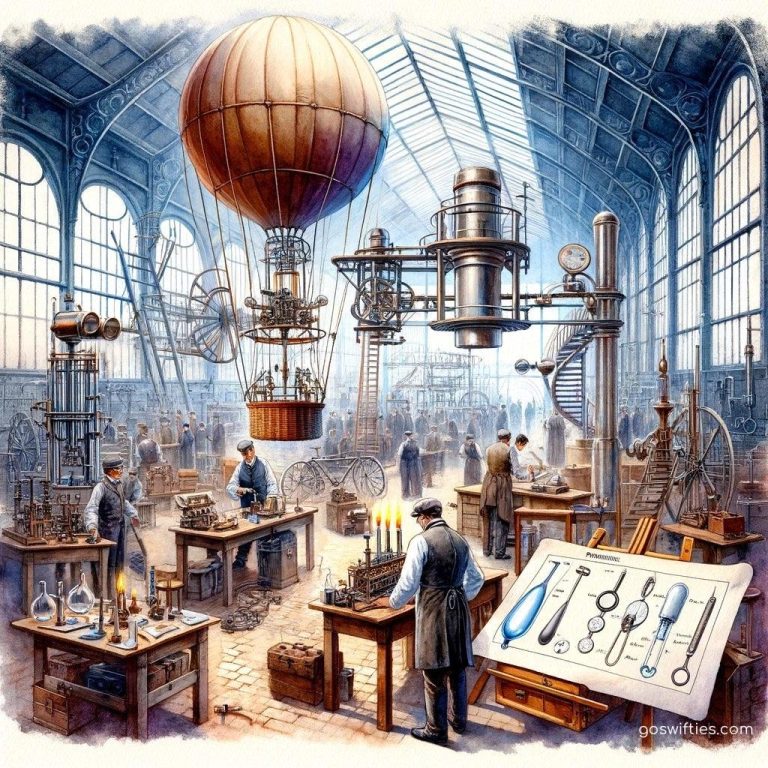
From the invention of the hot air balloon to pioneering the world of photography and cinema, France has a storied legacy of innovation that has shaped modern technology. Join us as we journey through a remarkable timeline of groundbreaking French inventions that transformed industries and continue to influence our lives today.


1. Photography.

Nicéphore Niépce and Louis Daguerre developed early photographic processes. Niépce created the earliest surviving photograph, and Daguerre’s “daguerreotype” process became the first widely used photographic technique.

2. Hot Air Balloon.

Joseph-Michel and Jacques-Étienne Montgolfier invented the hot air balloon in the 1780s, marking the beginning of human flight.

3. Pasteurisation.

Louis Pasteur developed pasteurisation, a process for sterilising liquids, which revolutionised the food and beverage industry.

4. Parachute.

Louis-Sébastien Lenormand invented the modern parachute in the late 18th century.

5. Braille System.

Louis Braille invented the Braille system, which allowed blind people to read and write using a system of raised dots.

6. Aqualung (Scuba Diving Equipment).

Jacques-Yves Cousteau and Émile Gagnan developed the aqualung in the 1940s, which laid the foundation for modern scuba diving.

7. Mechanical Calculator.

Blaise Pascal invented the Pascaline in 1642, an early mechanical calculator designed to assist with arithmetic operations.

8. Metric System.

France pioneered the metric system in the 1790s, standardising measurements and influencing many countries to adopt it.

9. Cinema.

The Lumière brothers, Auguste and Louis, invented the Cinématographe, an early motion picture device that contributed to the development of modern cinema.

10. Electric Generator (Gramme Machine).

Zénobe Gramme developed the Gramme machine, a direct-current electrical generator that influenced the development of electric power.

11. Turbojet Engine.

Maxime Guillaume patented the first concept of a turbojet engine in the early 20th century, which laid the groundwork for modern jet propulsion.


These inventions and innovations highlight France’s significant contributions to science, technology, and culture throughout history.

Originally published at: GoSwifties.com
From Keys To Progress. How The Typewriter Revolutionised Communication And Empowered Society.

0

Come over at GoSwifties.com

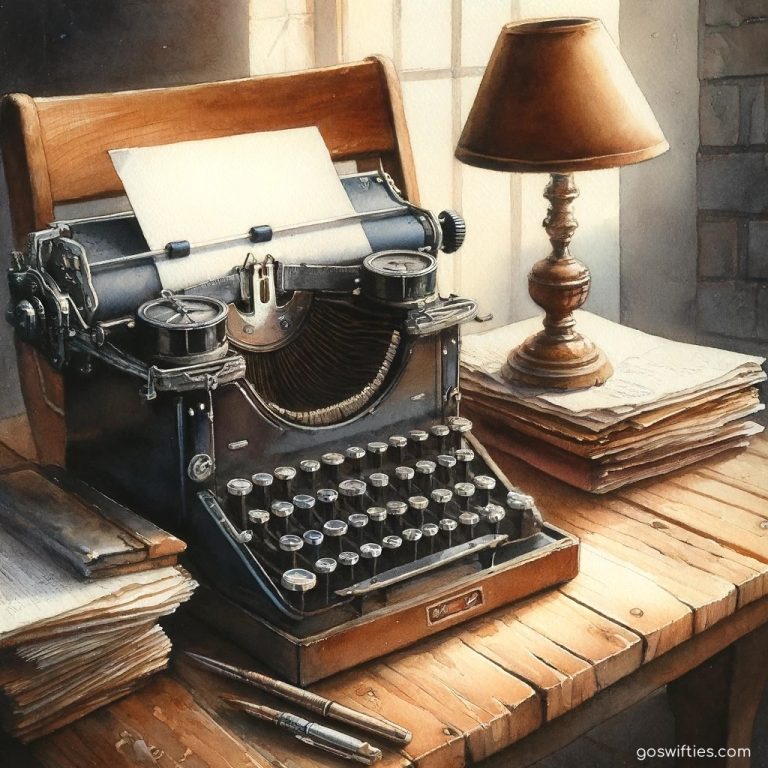
The typewriter, a significant milestone in the history of technology, revolutionised written communication and shaped various aspects of human endeavours. From its humble beginnings in the 18th century to its widespread adoption in the 19th and 20th centuries, the typewriter has left a lasting impact on the world of science, arts, economy, and beyond.


Historical Overview.

The journey of the typewriter began with the earliest patent filed by Henry Mill in 1714, although it was never manufactured. It wasn’t until the mid-19th century that tangible advancements were made with the creation of a machine by Christopher Latham Sholes, Carlos Glidden, and Samuel Soule. Their “Remington No. 1,” introduced in 1874, became the first commercially successful model, featuring the now-ubiquitous QWERTY keyboard layout.


Technical Innovations.

Mechanical Advancements.

Early typewriters evolved rapidly, from mechanical typebars to the introduction of the shift key for switching between uppercase and lowercase letters. The introduction of electric typewriters in the 20th century, like the IBM Selectric series, provided greater typing speed and efficiency with a typeball mechanism instead of individual typebars.

Standardisation And Layouts.

The adoption of the QWERTY keyboard layout in the late 19th century was a pivotal moment. Despite its inefficiencies, it became the standard due to widespread adoption in typewriters and later in computers.


Impact On Society.

Sciences.

Scientific Documentation.

The typewriter made it easier for scientists to document and share their research findings, facilitating collaboration and dissemination of knowledge.

Patent Offices.

Typed documents became the norm for patent applications, streamlining the patent filing process.

Arts.

Literary Creation.

Writers like Mark Twain embraced the typewriter, using it to produce literary works with speed and clarity. The typewriter allowed authors to focus on the content rather than the mechanics of writing.

Scriptwriting And Journalism.

The typewriter became indispensable for journalists and screenwriters, enabling rapid production of articles and scripts.

Economy.

Office Efficiency.

The typewriter transformed office work, giving rise to the modern clerical workforce. It enabled businesses to handle correspondence and documentation more efficiently.

New Job Opportunities.

The demand for typists created new employment opportunities, particularly for women, who were entering the workforce in larger numbers.

Social And Cultural Impact.

Literacy And Education.

The typewriter became a tool in education, helping improve literacy and writing skills.

Women’s Empowerment.

Typist roles were often filled by women, marking a significant step in gender equality in the workplace.


Legacy And Evolution.

Despite the decline in typewriter use with the advent of personal computers in the 1980s, the typewriter’s legacy lives on in modern keyboards and the concept of efficient written communication. The resurgence of interest in mechanical keyboards and the preservation of vintage typewriters underscore their enduring appeal.

The typewriter stands as a testament to human ingenuity, having reshaped industries and communication. Its impact on the sciences, arts, economy, and society continues to be felt, even in the digital age.


Did You Know?

1. First Novel Typed. Mark Twain is often credited as the first author to submit a typed manuscript to a publisher. He used a Remington typewriter to produce the manuscript for his novel “Life on the Mississippi” in 1883.

2. Longest Word Typed on One Row. “Typewriter” is the longest English word that can be typed using only the top row of a QWERTY keyboard.

3. Initial Rejection. When Christopher Latham Sholes developed the typewriter, he couldn’t find an investor and reportedly sold the rights to the Remington company for only $12,000.

4. Unusual Symbols. Early typewriters didn’t have a “1” key, as the lowercase “l” was used instead. Also, many didn’t include a separate key for “0,” using the uppercase “O” instead.

5. Typewriter Art. The typewriter gave rise to a unique form of art known as “typewriter art,” where artists create intricate images using the letters and symbols on a typewriter.

6. Typing Contests. In the late 19th and early 20th centuries, speed-typing contests were popular, with champions recognised for their remarkable typing speed and accuracy.

7. Typewriter Eraser. Before correction fluid was popular, the “typewriter eraser,” a circular rubber eraser with a brush, was used to correct mistakes.

8. Symbol Of Rebellion. During the Soviet era, typewriters were often associated with dissidents. They allowed individuals to produce underground publications (samizdat) that circumvented government censorship.

Originally published at: GoSwifties.com

A Fan’s Guide To The Top 10 Arenas & Stadiums In Paris

0

Come over at GoSwifties.com

Paris, the City of Light, is not only known for its rich culture, history, and iconic landmarks but also for its impressive array of world-class stadiums and arenas. From historic sporting venues to state-of-the-art concert halls, Paris offers a diverse range of facilities that cater to fans of various sports and entertainment events. In this article, we’ll take you on a journey through 10 of the most renowned and iconic stadiums and arenas in the French capital.

Accor/Bercy Arena

goswifties-accor-arena

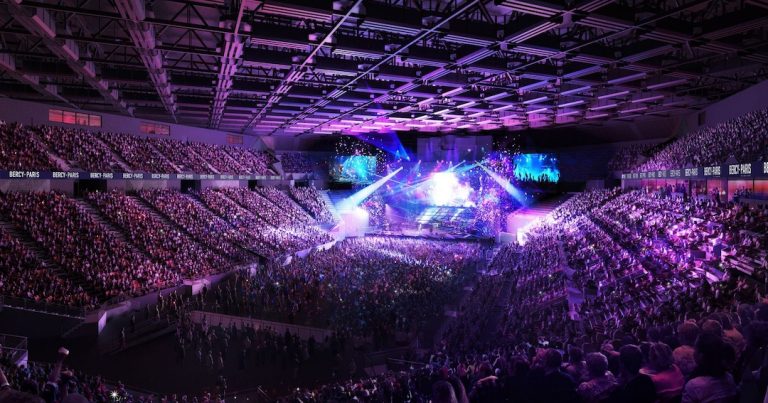
Formerly known as Bercy Arena and AccorHotels Arena, the Accor Arena is a versatile indoor sports arena and concert hall located in the 12th arrondissement of Paris. With a seating capacity of around 20,000, this venue has hosted numerous world-renowned musicians, such as Lizzo, Justin Bieber, MÃ¥neskin, and Arctic Monkeys, among others. The arena’s state-of-the-art facilities and excellent acoustics make it a popular choice for live music events.

Roland-Garros Stadium

goswifties-accor-arena

Steeped in history, the Roland-Garros Stadium is a tennis mecca that dates back to 1891. Originally known as Les Internationaux de France de Tennis, this iconic venue hosts one of the most prestigious tournaments in the sport: The French Open. With a capacity of 14,840 spectators and a retractable roof, the Roland-Garros Stadium provides an exceptional viewing experience for tennis enthusiasts from around the world.

Parc Des Princes

goswifties-accor-arena

Parc des Princes is a legendary football stadium located in the heart of Paris. Since 1974, it has been the home of the elite football club Paris Saint-Germain. With a seating capacity of 47,929, this stadium hosts French championship games, concerts, and other major events. The electric atmosphere and energy of the fans make a visit to Parc des Princes an unforgettable experience for sports enthusiasts and football fans alike.

Stade de France

goswifties-accor-arena

The Stade de France is the largest stadium in the country and the national stadium of France. Boasting a capacity of over 80,000, this impressive venue is set to host some of the most important events in the coming years, including the 2023 Rugby World Cup final round matches and the athletic events at the 2024 Summer Olympics. Its grandeur and state-of-the-art facilities make it a must-visit destination for sports fans.

Stade Sébastien Charléty

goswifties-accor-arena

Stade Charléty is a multi-purpose stadium located in the 13th arrondissement of Paris. With a seating capacity of 20,000 people, it’s one of the most important stadiums in the city. Despite not being restored since 1968, this venue continues to host various sporting events and concerts, offering a unique atmosphere for fans.

Stade Jean-Bouin

goswifties-accor-arena

Stade Jean-Bouin is a stadium located in the 16th arrondissement of Paris, providing 20,000 covered seats for a comfortable game experience, regardless of the weather. This stadium hosts large sporting events and will also be utilized during the 2024 Olympics, making it a must-visit destination for sports enthusiasts.

Stade Bauer

goswifties-accor-arena

Stade Bauer, located in the northern suburbs of Paris, is a great football stadium with a seating capacity of 10,000. It is the home of Red Star F.C., a team currently playing in the Championnat National league. This stadium offers an intimate and lively atmosphere for football fans.

The Dome of Paris (Dome de Paris)

goswifties-accor-arena

Dome de Paris, also known as The Dome of Paris, is a multifunctional arena located near the Porte de Versailles. Opened in 1960, this venue has served as a space for cultural events such as musicals, concerts, and entertainment shows, as well as sporting events, particularly boxing. Its versatility and rich history make it a unique addition to Paris’s lineup of stadiums and arenas.

Paris La Défense Arena

goswifties-accor-arena
goswifties_la-defensa-arena_900

La Défense Arena is a multi-purpose domed stadium located in the western Paris suburb of Nanterre. Opened in 2017, this state-of-the-art arena serves as the home field for the rugby union club Racing 92. With up to 40,000 seats available for concerts and 30,000 seats for sports events, it is referred to as Europe’s largest indoor arena, making it a must-visit destination for fans of various events.

The Vincennes Hippodrome de Paris

goswifties-accor-arena

Located on the outskirts of Paris, the Vincennes Hippodrome de Paris is a premier horse racing venue that boasts both flat and harness racing events. Known for hosting the prestigious Prix d’Amérique, an annual trotter race, this historic track can accommodate up to 30,000 spectators, offering a unique and thrilling experience for horse racing enthusiasts.

Whether you’re a sports fanatic, a music lover, or simply someone who appreciates world-class facilities, Paris has something to offer for everyone. These 10 iconic stadiums and arenas are just a glimpse of the city’s rich sporting and entertainment culture, beckoning visitors from around the globe to experience the thrill and excitement they have to offer.

Originally published at: GoSwifties.com
Taylor Swift’s Eras Tour Gets A Revamp: New Songs From ‘Tortured Poets’, Outfits, and Surprises!

0

Come over at GoSwifties.com

Bonjour, Swifties! Taylor Swift’s Eras Tour officially kicks off its European leg in Paris! The City of Lights witnessed a show filled with surprises, including new songs, stunning outfits, and a heartfelt speech from Taylor herself.

First Look: New Era, New Outfit

Taylor Swift

The night began with a bang as Taylor debuted a vibrant orange bodysuit and jacket for her “Lover” set. She also hinted at things to come with a snippet of “The Tortured Poets Department” included in the opening intro music.

Paramore Takes the Stage

Paramore, sporting a brand new blonde mullet for lead singer Hayley Williams, energized the crowd with an eight-song setlist. They covered iconic tracks like “Burning Down the House” (Talking Heads) and their own hits like “Ain’t It Fun.”

Taylor Swift

The Eras Get a Shakeup

Hold onto your cowboy hats, Swifties! The setlist underwent some exciting changes. First, Taylor cut “The Archer” from her “Lover” set. Then, in a move that surprised everyone, she revealed a brand new “Tortured Poets Department” section after the “1989” era.

Welcome, Tortured Poets!

Taylor Swift

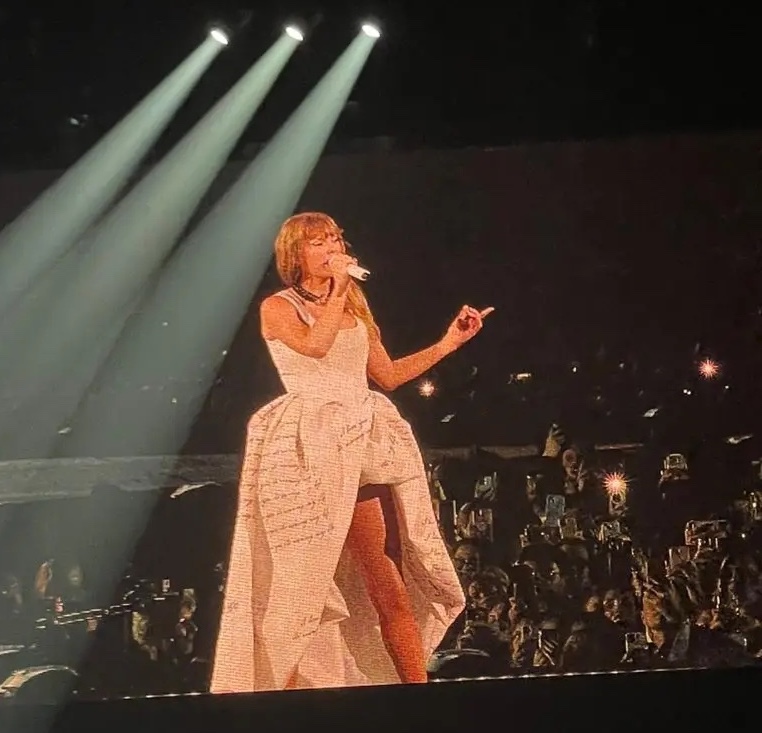
Dressed in a beautiful beige dress with cursive lettering, Taylor launched into the highly anticipated “The Tortured Poets Department” with “But Daddy I Love Him.” She followed it up with a string of hits from the new album, including “So High School,” “Who’s Afraid of Little Old Me,” and more. A deserted road animation on the stage set the scene for this emotional new chapter.

Folklore & Evermore: A Sisterly Reunion

Taylor Swift

Taylor announced a sweet change for fans of her pandemic albums. Instead of separate sections, “Folklore” and “Evermore” were merged into a single “Folkmore” set. She explained these albums were always sister projects, representing spring/summer and fall/winter, and now they’d be celebrated together. “Cardigan” even made a surprise appearance at the top of the setlist!

1989 Sparkles in Blue & Pink

Taylor Swift

Taylor brought back the sparkle for her “1989” set, dazzling the crowd in a brand new blue and pink sequined outfit with mismatched heels. The crowd erupted in a special “Par-ee” chant during “Blank Space,” echoing the city’s name in a nod to a similar tradition from the 1989 World Tour.

Speak Now Gets a Regal Entrance

The “Speak Now” era received a royal treatment with a new intro dance featuring Raphael Thomas and eight dancers in flowing purple dresses. However, some fans were sad to see “Long Live” cut from the setlist.

Red Hot & Unexpectedly Repositioned

The order of the eras also saw a change. Instead of its usual spot, “Red” came in after “Fearless,” keeping the audience guessing. Taylor donned a new shirt that read “This Is Not Taylor’s Version,” reminding everyone to be open to surprises. The “Red” setlist remained the same with fan favorites like “22” and “All Too Well (10-Minute Version).”

A Heartfelt Speech & A French Farewell

Before “All Too Well,” Taylor spoke about cherishing all her memories in France, from her 2019 “Lover” show to her return after 13 years. She ended with a sweet “Je m’appelle Taylor” (French for “My name is Taylor”).

Farewell, But Not Goodbye

The Parisian concert marked a thrilling start to the European leg of the Eras Tour. With new songs, unexpected twists, and stunning visuals, Taylor Swift delivered a show that was truly “magnifique.” Stay tuned for more updates as the tour continues across Europe!

Like and follow @goswiftiescom on social media to get the latest updates, goodies, and freebies!

Originally published at: GoSwifties.com
Paramore: From Scene Emo to Joining Taylor’s Squad – What You Need to Know

0

Come over at GoSwifties.com

Paramore? On tour with Taylor Swift? If you’re new to the music scene, this might sound like a mix-up between your grandma’s tea party and a mosh pit. But fear not, let’s unpack this surprising team-up!

Paramore: Who are they?

Imagine a band that started with teenage angst and eyeliner so thick you could write novels on your eyelids. That’s the early Paramore. Their music was pure pop-punk, with catchy melodies and lyrics that screamed “high school rebellion.” Hits like “Misery Business” and “Ignorance” became anthems for anyone who felt like they didn’t quite fit in.

Over time, Paramore’s sound matured, just like their fans. They incorporated more pop and rock influences, tackling themes of heartbreak, self-discovery, and the bittersweet beauty of growing up. Think “Ain’t It Fun” or “Still Into You” – songs that everyone can sing along to, even if they don’t know all the lyrics.

Why Taylor Swift?

So, why is this band known for rebellion and dyed hair touring with the queen of sparkly dresses and catchy pop tunes? There’s no one simple answer.

Mutual Admiration Society

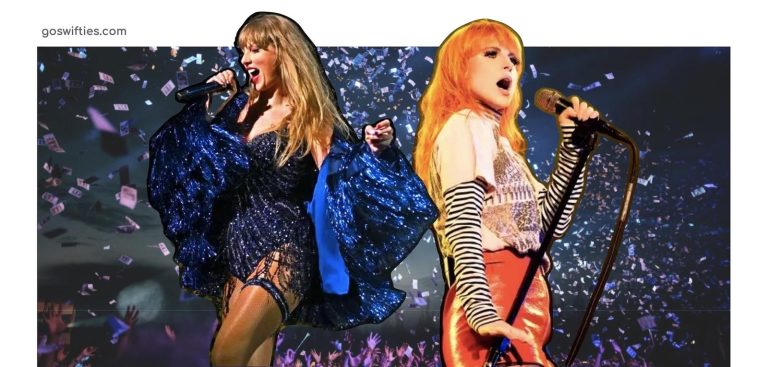
Turns out, Taylor and Paramore’s lead singer Hayley Williams are fans of each other’s music! It’s a crossover collab between two powerhouse women in the music industry.

goswifties-taylor-swift-hayley-williams-060723-2
Taylor Swift & Hayley Williams

Genre-Bending Fun

Both artists aren’t afraid to experiment with their sound. Maybe Taylor is adding a touch of Paramore’s rock energy to her show, or maybe Paramore will surprise fans with a pop-infused twist. Who knows? That’s part of the fun!

Nostalgia Factor

For many fans who grew up listening to Paramore in their teens, seeing them on stage with Taylor might be a full-circle moment – a chance to relive their high school days alongside a whole new generation of Swifties.

So, what can you expect?

If you’re attending the Taylor Swift Eras Tour concerts, here’s the exciting part: you get two amazing artists for the price of one! Prepare for a high-energy performance from Paramore, followed by the full-blown spectacle of Taylor’s Eras Tour. It’ll be a night of catchy tunes, singalongs, and maybe even a mosh pit or two (in the designated areas, of course).

Even if you’re not familiar with Paramore, keep an open mind. You might just discover your new favourite band (and score major points with any teenagers in your life by being down with the latest collab).

Originally published at: GoSwifties.com